


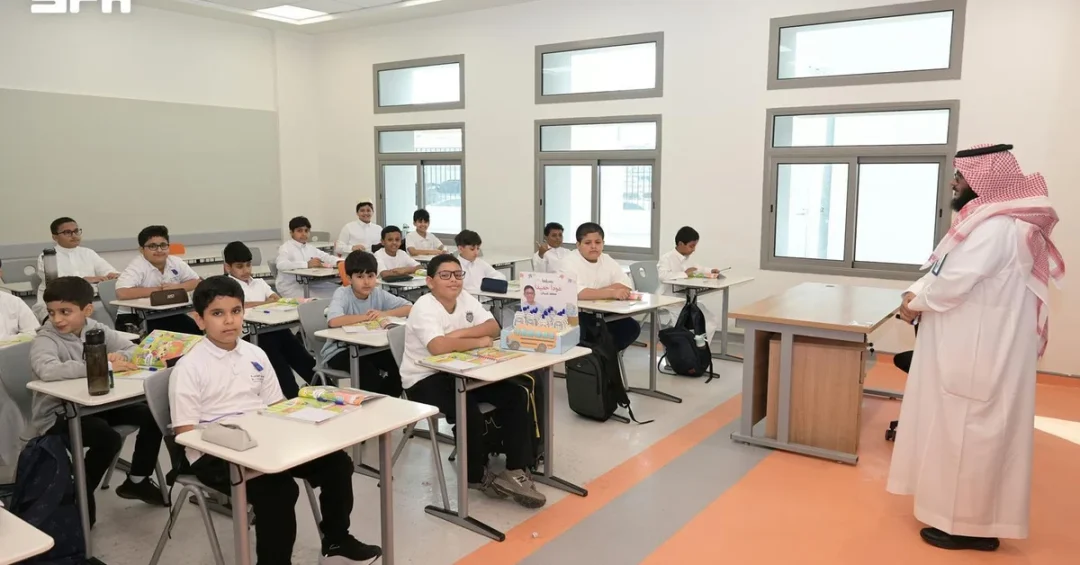
Five schools in Jubail affiliated with the Royal Commission for Jubail and Yanbu (RCJY) have officially joined the UNESCO Associated Schools Network (ASPnet), according to an announcement carried by the Saudi Press Agency (SPA). The move, coordinated with the Ministry of Education and the Saudi National Committee for Education, Culture, and Science, integrates the schools into an international network that spans more than 10,000 educational institutions across 166 countries. The announcement marks a significant step in the Kingdom’s efforts to elevate its education sector to international standards and to deepen its engagement with global learning communities.
The UNESCO Associated Schools Network is one of the world’s largest educational networks, dedicated to promoting sustainable development, global citizenship, and intercultural learning. For Jubail, a city long associated with Saudi Arabia’s industrial strength, the inclusion of five local schools in this network reflects a broader national ambition: to build a knowledge-based economy where world-class education underpins long-term prosperity. The milestone also signals the growing international recognition of Saudi Arabia’s educational reforms under Vision 2030, the national transformation plan championed by Crown Prince Mohammed bin Salman. How does a single network membership translate into real change inside a classroom? According to RCJY officials, the answer lies in teacher training, student projects, and measurable performance indicators.
Context and Background
Why does joining a global education network matter for a city best known for petrochemicals and heavy industry? The answer lies in the evolving identity of Jubail itself. Established in the 1970s as a planned industrial city, Jubail has grown into one of the largest industrial hubs in the world, home to major refineries, petrochemical complexes, and port infrastructure. Yet Saudi Arabia’s long-term strategy has always paired industrial development with human development, and the Royal Commission for Jubail and Yanbu has managed both the physical and social infrastructure of these cities since its founding. Education has been a core part of that mandate.
The UNESCO Associated Schools Network, known as ASPnet, was created in 1953 to give schools a direct channel to UNESCO’s mission of building peace through education. Member schools commit to four core themes: global citizenship, sustainable development, intercultural learning, and peace and human rights. Participation is voluntary, but it comes with expectations: schools must design and implement projects that reflect these themes, share results with partner institutions, and contribute to a global exchange of best practices. For Saudi schools, joining ASPnet means entering a community that includes thousands of institutions in Europe, Asia, Africa, and the Americas.
The coordination behind the Jubail announcement involved three key bodies. The Royal Commission for Jubail and Yanbu oversees the schools directly. The Ministry of Education provides national policy alignment and quality assurance. The Saudi National Committee for Education, Culture, and Science serves as the Kingdom’s official liaison to UNESCO, ensuring that Saudi participation in international educational programs is consistent with national priorities and international standards. Together, these institutions have laid the groundwork for the five Jubail schools to participate fully in the network.
Key Details
What exactly will change for students and teachers in these five schools? According to Abdulrahman Al-Ghamdi, Director of the General Education Department at RCJY in Jubail, the milestone represents a strategic step toward advancing the local education sector and elevating Saudi schools internationally. In remarks to the Saudi Press Agency, Al-Ghamdi explained that an operational plan is already in place. The plan focuses on two parallel tracks: upskilling teachers and coordinators, and implementing student projects centered on sustainability, tolerance, and a culture of peace.
Al-Ghamdi emphasized that the initiative is not symbolic. It includes defined performance indicators to ensure tangible educational impact. This means the schools will be expected to measure outcomes, not just participation. Teachers and coordinators will receive training designed to help them integrate global citizenship themes into existing curricula. Students, in turn, will work on projects that connect local issues, such as environmental stewardship in an industrial city, with global frameworks like the United Nations Sustainable Development Goals. The performance indicators will track progress in areas such as project completion, student engagement, and the quality of cross-cultural exchanges with partner schools abroad.
The five schools are now part of a network that includes more than 10,000 institutions worldwide. That scale matters. It means Saudi students and teachers can collaborate with peers in countries across Asia, Europe, Africa, and the Americas. It also means Saudi educational practices can be shared internationally, contributing to a two-way exchange rather than a one-way transfer of knowledge. For RCJY, the membership is a chance to benchmark its schools against international standards and to bring global best practices back to Jubail. The operational plan will be reviewed periodically, with results feeding into future decisions about expanding the program to other RCJY schools.
International and Regional Impact
How does a school network membership in Jubail resonate beyond Saudi Arabia’s borders? The UNESCO Associated Schools Network is built on the principle that education is a foundation for international understanding. When Saudi schools join, they bring a distinctive perspective to that mission. The Kingdom’s experience with rapid modernization, cultural heritage preservation, and economic diversification offers lessons for other countries navigating similar transitions. At the same time, Saudi educators gain access to a global community of practice, where challenges such as integrating technology into classrooms or fostering environmental awareness are shared across borders.
Regionally, the announcement reinforces Saudi Arabia’s position as a leader in educational development in the Middle East. Gulf countries have invested heavily in education reform over the past two decades, and participation in international networks is one way to demonstrate commitment to quality. For the wider Arab world, the Jubail schools’ entry into ASPnet could serve as a model for how national education systems can engage with UNESCO frameworks while maintaining cultural and religious identity. The network’s emphasis on intercultural learning aligns with Saudi Arabia’s own values of tolerance and mutual respect, making the partnership a natural fit.
Economic and Strategic Significance
Why should economic planners pay attention to what happens in five schools? Because human capital is the foundation of every diversified economy. Saudi Vision 2030 aims to reduce dependence on oil by developing sectors such as tourism, technology, manufacturing, and renewable energy. All of these sectors require a workforce equipped with critical thinking, global awareness, and the ability to collaborate across cultures. The skills promoted by the UNESCO Associated Schools Network, including sustainability literacy and intercultural competence, are precisely the skills that employers in a diversified economy will need.
For Jubail specifically, the initiative supports the city’s transition from an industrial center to a knowledge hub. The Royal Commission for Jubail and Yanbu has long recognized that attracting and retaining talent requires more than jobs; it requires quality of life, including excellent schools. By joining ASPnet, the five Jubail schools signal to families and investors that education in the city meets international standards. This can help attract skilled professionals to the area and encourage local students to pursue careers in fields that support Vision 2030, from clean energy to advanced manufacturing. The strategic significance, therefore, extends well beyond the classroom.
Vision 2030 Alignment
How does this announcement connect to Saudi Arabia’s long-term national plan? Al-Ghamdi noted that the initiative directly aligns with Saudi Vision 2030 and the Human Capability Development Program, one of the Vision’s key executive programs. The Human Capability Development Program aims to prepare Saudis for the future by improving education, fostering lifelong learning, and developing skills that match labor market needs. By joining the UNESCO Associated Schools Network, the five Jubail schools are contributing to these national goals while also supporting RCJY’s own priorities in educational quality and global competitiveness.
The alignment is both practical and philosophical. Practically, the operational plan for teacher training and student projects mirrors the Human Capability Development Program’s emphasis on measurable outcomes and continuous improvement. Philosophically, the network’s focus on peace, tolerance, and sustainable development reflects the values that Saudi Arabia has emphasized on the international stage, including during its G20 presidency and in its diplomatic initiatives. As the Kingdom continues to open up to the world, initiatives like this one demonstrate that Saudi schools are not just recipients of global knowledge but active participants in shaping a more interconnected and peaceful world. For the students of Jubail, the future just became a little more global.
20 Questions
Q1. What is the UNESCO Associated Schools Network?
A1. The UNESCO Associated Schools Network (ASPnet) is a global network of more than 10,000 educational institutions in 166 countries. It promotes sustainable development, global citizenship, intercultural learning, and a culture of peace through collaborative projects and shared best practices.
Q2. Which schools joined the network?
A2. Five schools in Jubail affiliated with the Royal Commission for Jubail and Yanbu (RCJY) joined the network. The announcement was made via the Saudi Press Agency, in coordination with the Ministry of Education and the Saudi National Committee for Education, Culture, and Science.
Q3. Who announced the news?
A3. The Saudi Press Agency (SPA) reported the announcement. Abdulrahman Al-Ghamdi, Director of the General Education Department at RCJY in Jubail, provided details in statements to SPA, explaining the significance and operational plans for the schools.
Q4. What is the Royal Commission for Jubail and Yanbu?
A4. The Royal Commission for Jubail and Yanbu (RCJY) is a Saudi government authority responsible for developing and managing the industrial cities of Jubail and Yanbu. It oversees infrastructure, investment, and social services, including education, in these cities.
Q5. Why is this milestone important for Saudi Arabia?
A5. It marks a strategic step toward advancing the local education sector and elevating Saudi schools internationally. It also aligns with Vision 2030 and the Human Capability Development Program, supporting educational quality and global competitiveness.
Q6. What themes does the UNESCO Associated Schools Network focus on?
A6. The network centers on sustainable development, global citizenship, and intercultural learning. It also emphasizes peace and human rights, encouraging schools to implement projects that reflect these themes and share results with partner institutions worldwide.
Q7. How will teachers benefit from this initiative?
A7. An operational plan is in place to upskill teachers and coordinators. They will receive training to integrate global citizenship themes into curricula, collaborate with international peers, and implement student projects focused on sustainability, tolerance, and peace.
Q8. What kind of student projects will be implemented?
A8. Student projects will focus on sustainability, tolerance, and a culture of peace. These projects connect local issues, such as environmental stewardship in an industrial city, with global frameworks like the UN Sustainable Development Goals, and are tracked via performance indicators.
Q9. How will success be measured?
A9. Success will be tracked via defined performance indicators to ensure tangible educational impact. These indicators cover project completion, student engagement, and the quality of cross-cultural exchanges with partner schools abroad.
Q10. What is the Saudi National Committee for Education, Culture, and Science?
A10. It is the Kingdom’s official liaison to UNESCO. The committee ensures that Saudi participation in international educational, cultural, and scientific programs is consistent with national priorities and international standards, and it coordinated the Jubail schools’ application.
Q11. How does this initiative align with Vision 2030?
A11. It directly aligns with Vision 2030 and the Human Capability Development Program. These national plans aim to prepare Saudis for the future by improving education, fostering lifelong learning, and developing skills that match labor market needs in a diversified economy.
Q12. What is the Human Capability Development Program?
A12. The Human Capability Development Program is a key executive program of Saudi Vision 2030. It focuses on improving education, fostering lifelong learning, and developing skills that match labor market needs, aiming to prepare Saudis for future economic opportunities.
Q13. Will other RCJY schools join the network?
A13. The operational plan will be reviewed periodically, with results feeding into future decisions about expanding the program to other RCJY schools. The current focus is on ensuring the five Jubail schools achieve tangible educational impact first.
Q14. How does this benefit Jubail as a city?
A14. It supports Jubail’s transition from an industrial center to a knowledge hub. By signaling that local education meets international standards, it helps attract skilled professionals and encourages students to pursue careers that support Vision 2030.
Q15. What is the global reach of the UNESCO Associated Schools Network?
A15. The network spans more than 10,000 institutions across 166 countries. This scale allows Saudi students and teachers to collaborate with peers worldwide, sharing best practices and contributing to a two-way exchange of knowledge and ideas.
Q16. How does this reflect Saudi Arabia’s international engagement?
A16. It demonstrates the Kingdom’s commitment to global educational cooperation and its openness to international partnerships. It also reflects Saudi Arabia’s emphasis on peace, tolerance, and sustainable development on the world stage.
Q17. What role does the Ministry of Education play?
A17. The Ministry of Education provides national policy alignment and quality assurance. It ensures that the schools’ participation in the network is consistent with Saudi educational standards and contributes to the Kingdom’s broader education reform goals.
Q18. What are the core values promoted by the network?
A18. The network promotes sustainable development, global citizenship, intercultural learning, and a culture of peace. These values align with Saudi Arabia’s own principles of tolerance and mutual respect, making the partnership a natural fit.
Q19. How can international audiences interpret this development?
A19. It should be seen as part of Saudi Arabia’s broader efforts to modernize its education sector and engage with the global community. It reflects the Kingdom’s commitment to preparing its youth for a connected, knowledge-based world.
Q20. What is the expected long-term impact?
A20. The long-term impact includes improved educational quality, enhanced global competitiveness, and stronger international ties for Saudi schools. It supports the development of a skilled workforce aligned with Vision 2030’s economic diversification goals.
Reader Feedback
We value your thoughts. Please share your feedback on this article.
Your feedback helps us improve our coverage.