


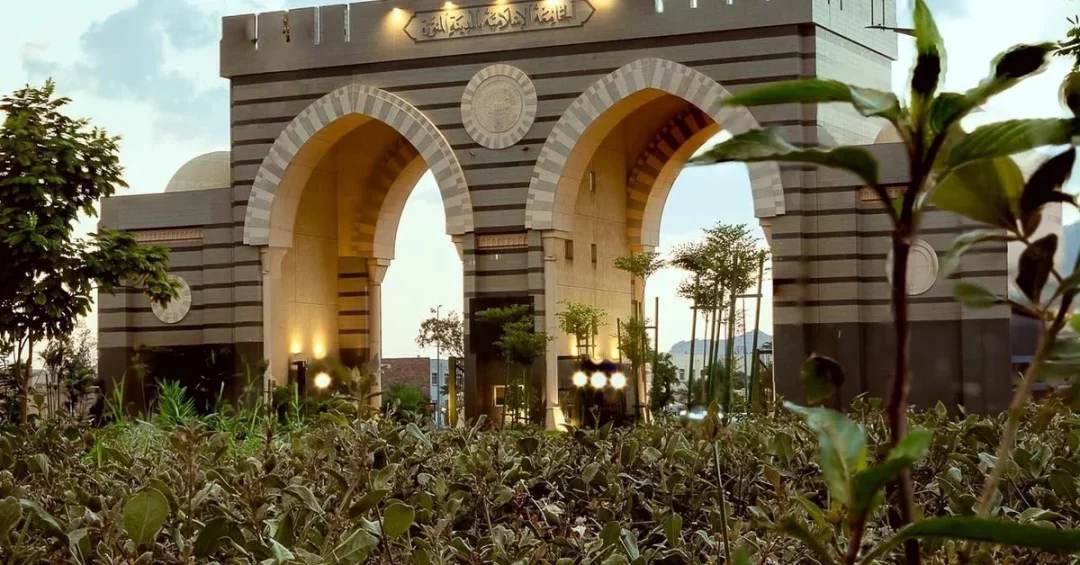
The College of Engineering at the Islamic University in Madinah has renewed its international academic accreditation from the Accreditation Board for Engineering and Technology (ABET) for three bachelor’s programs through September 30, 2032, according to an announcement carried by the Saudi Press Agency (SPA). The renewed accreditation covers the university’s civil, electrical, and mechanical engineering programs, confirming that they continue to meet globally recognized standards for engineering education.
Context and Background
ABET is a United States-based non-profit organization that accredits college and university programs in applied and natural science, computing, engineering, and engineering technology. Its seal is widely regarded as a mark of quality, and graduates of ABET-accredited programs often benefit from greater international mobility and recognition. The Islamic University, located in Madinah, has long been a center of higher learning in the Kingdom, and the renewal of accreditation for its College of Engineering reflects a sustained institutional commitment to academic excellence.
The accreditation renewal did not happen automatically. It followed a rigorous review process that examined curriculum design, faculty qualifications, student outcomes, and continuous improvement mechanisms. According to Dr. Essam Rabea Ibrahim Mahmoud, Dean of the College of Engineering, the renewal reflects the university’s dedication to academic quality standards and its ongoing efforts to develop the educational process. His statement, carried by SPA, underscores that the achievement is the result of deliberate planning and investment in teaching and learning.
Key Details
The three programs that received renewed accreditation are civil engineering, electrical engineering, and mechanical engineering. These disciplines are foundational to infrastructure development, energy, manufacturing, and advanced technology—sectors that are central to Saudi Arabia’s economic diversification agenda. The accreditation is valid through September 30, 2032, providing a long window of certainty for current and prospective students, faculty, and employers.
Dr. Mahmoud highlighted that the programs focus on the quality of teaching and learning, continuous development and improvement, aligning learning outcomes with professional requirements, and providing a supportive academic environment. This emphasis on alignment with professional demands ensures that graduates are equipped with the skills and knowledge needed to contribute effectively in the workplace, whether in Saudi Arabia or abroad. The renewal also signals to international partners and accrediting bodies that the university maintains robust internal quality assurance systems.
Implications and Impact
For students, ABET accreditation can simplify the process of having degrees recognized by employers and graduate schools in many countries, particularly in North America and Europe. It also facilitates professional licensure pathways in some jurisdictions. For the university, the renewal enhances its reputation as a destination for high-quality engineering education, potentially attracting more international students and fostering academic collaborations. For Saudi Arabia, the achievement supports the broader national goal of building a knowledge-based economy by ensuring that local engineering graduates meet global benchmarks.
The timing is significant. As the Kingdom pursues mega-projects and advanced manufacturing under Vision 2030, the demand for highly skilled engineers continues to grow. Universities that can demonstrate internationally recognized quality are better positioned to supply that talent pipeline. The Islamic University’s renewed accreditation thus contributes to national human capital development and reinforces the credibility of Saudi higher education on the world stage.
Vision 2030 Alignment
This accreditation renewal aligns directly with Vision 2030, Saudi Arabia’s comprehensive plan to diversify the economy, empower citizens, and develop world-class education and training. By maintaining ABET accreditation, the Islamic University demonstrates its commitment to the Vision’s human capability development pillar, which seeks to prepare Saudi youth for the jobs of the future. The university’s focus on continuous improvement and alignment with professional requirements mirrors the Vision’s emphasis on innovation, quality, and global competitiveness. As the Kingdom continues to invest in education and research, achievements like this underscore the progress being made toward a thriving, knowledge-driven society.
20 Questions
Q1. What accreditation did the Islamic University renew?
A1. The College of Engineering at the Islamic University renewed its international academic accreditation from the Accreditation Board for Engineering and Technology (ABET) for three bachelor’s programs, valid through September 30, 2032.
Q2. Which engineering programs are covered by the renewed accreditation?
A2. The renewed accreditation covers the civil, electrical, and mechanical engineering programs at the College of Engineering, as announced by the Saudi Press Agency.
Q3. How long is the accreditation valid?
A3. The accreditation is valid through September 30, 2032, providing a long period of recognition for the three engineering programs and their graduates.
Q4. Who is the Dean of the College of Engineering?
A4. Dr. Essam Rabea Ibrahim Mahmoud serves as the Dean of the College of Engineering at the Islamic University in Madinah.
Q5. What did the Dean say about the accreditation?
A5. Dr. Essam Rabea Ibrahim Mahmoud stated that the renewal reflects the university’s commitment to academic quality standards and its continued efforts to develop the educational process.
Q6. What is ABET?
A6. ABET is a United States-based non-profit organization that accredits college and university programs in applied and natural science, computing, engineering, and engineering technology.
Q7. Why is ABET accreditation important?
A7. ABET accreditation is a globally recognized mark of quality that helps graduates gain international recognition, facilitates professional mobility, and assures employers of program quality.
Q8. Where is the Islamic University located?
A8. The Islamic University is located in Madinah, Saudi Arabia, and is a prominent institution of higher learning in the Kingdom.
Q9. What areas do the accredited programs focus on?
A9. The programs focus on the quality of teaching and learning, continuous development and improvement, aligning learning outcomes with professional requirements, and providing a supportive academic environment.
Q10. How does the accreditation benefit students?
A10. It can simplify degree recognition by employers and graduate schools abroad, support professional licensure pathways, and enhance graduates’ competitiveness in the global job market.
Q11. What is the significance of the accreditation for the university?
A11. It enhances the university’s reputation, attracts international students and collaborations, and demonstrates robust internal quality assurance systems to global partners.
Q12. How does this accreditation relate to Saudi Vision 2030?
A12. It supports Vision 2030’s human capability development pillar by ensuring engineering graduates meet global standards and are prepared for future jobs, contributing to a knowledge-based economy.
Q13. What is the role of the Saudi Press Agency in this announcement?
A13. The Saudi Press Agency (SPA) carried the official announcement, providing authoritative confirmation of the accreditation renewal.
Q14. When was the announcement made?
A14. The announcement was made on September 15, 2026, according to the Saudi Press Agency report from Madinah.
Q15. What does the renewal process involve?
A15. It involves a rigorous review of curriculum, faculty qualifications, student outcomes, and continuous improvement mechanisms to ensure programs meet ABET criteria.
Q16. Why are civil, electrical, and mechanical engineering important for Saudi Arabia?
A16. These disciplines are foundational to infrastructure, energy, manufacturing, and technology sectors, which are central to Saudi Arabia’s economic diversification under Vision 2030.
Q17. How might this accreditation affect international partnerships?
A17. It can facilitate academic collaborations, student exchanges, and research partnerships by signaling that the university meets internationally recognized quality standards.
Q18. What is the duration of the accreditation renewal?
A18. The accreditation is renewed through September 30, 2032, covering a period of approximately six years from the announcement date.
Q19. Does the accreditation cover all engineering programs at the university?
A19. The announcement specifies three programs: civil, electrical, and mechanical engineering. It does not mention other programs.
Q20. What broader message does this achievement send?
A20. It demonstrates the Islamic University’s dedication to academic excellence and aligns with Saudi Arabia’s national goals of advancing higher education and producing globally competitive graduates.
Reader Feedback
We value your thoughts. Please share your feedback on this article.
Your feedback helps us improve our coverage.