


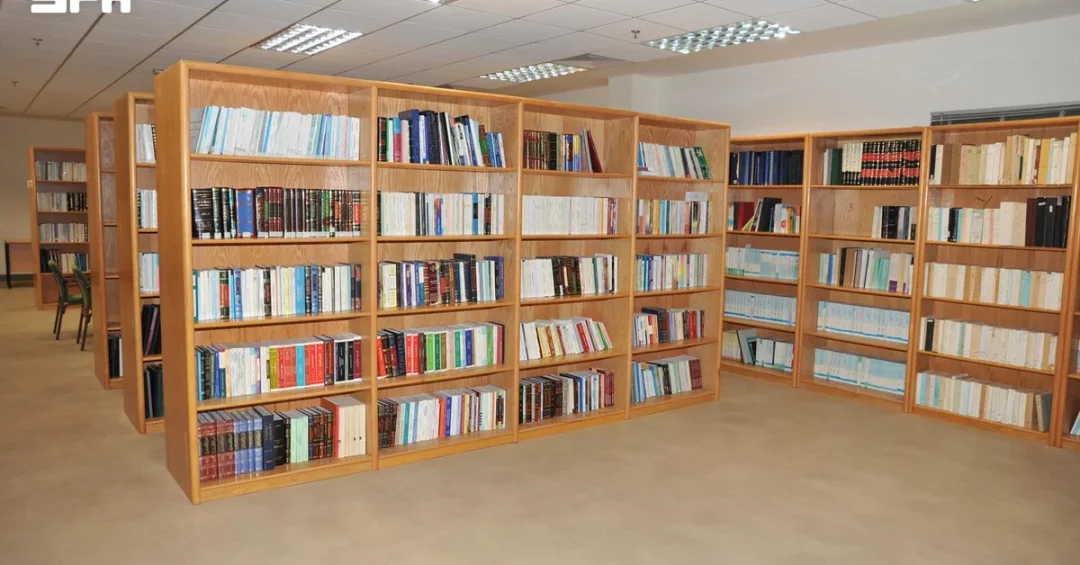
King Abdulaziz University Library in Jeddah stands as one of the Kingdom of Saudi Arabia’s foremost academic knowledge hubs, providing students, researchers, and faculty members with diverse information resources and knowledge services that enhance educational outcomes and support research and innovation, according to the Saudi Press Agency (SPA). The library, which operates under the umbrella of King Abdulaziz University, has been positioned as a central pillar of the university’s academic mission, offering books, reference materials, scientific journals, university theses, digital resources, and online platforms that allow users to access scientific content and employ it in the preparation of academic research and studies. The institution’s work reflects a broader national commitment to expanding access to knowledge and strengthening the research ecosystem across the Kingdom.
But what does it take for a single library to serve as a catalyst for an entire nation’s scientific ambitions? In the case of King Abdulaziz University Library, the answer lies in a deliberate strategy of collection development, document and manuscript preservation, and sustained cooperation with academic institutions and other libraries. These efforts, detailed in the official SPA report, contribute to a richer scientific and cultural environment and expand access to knowledge resources for a growing community of learners and scholars. The library’s role extends beyond the walls of any single campus, touching the wider Saudi academic network and supporting the Kingdom’s long-term goals for education, innovation, and cultural preservation.
Context and Background
How did a university library come to occupy such a strategic position in Saudi Arabia’s knowledge landscape? King Abdulaziz University, based in Jeddah, has long been recognized as one of the Kingdom’s leading institutions of higher education, and its library has grown alongside it as a comprehensive repository of academic and scientific material. The SPA report notes that the library provides a wide range of knowledge resources, including books, reference materials, scientific journals, and university theses, alongside digital resources and online platforms. This combination of traditional and digital collections allows users to access scientific content conveniently and to use it effectively in preparing academic research and studies.
The library’s mission is closely tied to the university’s broader educational objectives. By enabling students, researchers, and faculty members to access scientific references and academic sources, the library directly enhances the quality of educational outcomes and supports research and innovation. This is not a passive role; it requires continuous investment in collections, technology, and professional expertise. The library is committed to developing its collections, preserving documents and manuscripts, and strengthening cooperation with academic institutions and other libraries. Each of these commitments reflects a considered approach to building an environment where knowledge can be created, shared, and safeguarded for future generations.
Understanding the library’s significance also requires attention to its geographic and cultural setting. Jeddah, a historic gateway city on the Red Sea, has been a crossroads of trade, scholarship, and cultural exchange for centuries. A major academic library in this setting inherits a rich tradition of learning while also serving a modern, rapidly evolving society. The library’s dual role, as both a custodian of documentary heritage and a provider of cutting-edge digital services, places it at the intersection of tradition and transformation, a balance that Saudi Arabia has consistently sought to maintain as it pursues ambitious national development goals.
Key Details
What specific services and resources does King Abdulaziz University Library offer to its users? According to the official SPA report, the library provides a diverse array of information resources and knowledge services. Its physical and digital collections include books, reference materials, scientific journals, and university theses. These are supplemented by digital resources and online platforms that allow users to access scientific content remotely and to integrate it into their academic work. This blend of formats ensures that the library remains relevant to a wide spectrum of users, from undergraduate students preparing their first research papers to senior faculty members conducting advanced investigations.
The library’s commitment to developing its collections is a core element of its strategy. Collection development involves not only acquiring new books and journals but also ensuring that the library’s holdings remain current, comprehensive, and aligned with the university’s academic priorities. In parallel, the library places emphasis on preserving documents and manuscripts. This preservation work is vital for safeguarding cultural and intellectual heritage, ensuring that rare and historical materials remain available for study by future generations of researchers. By maintaining both contemporary and historical collections, the library serves as a bridge between past and present scholarship.
Cooperation with academic institutions and other libraries represents a third pillar of the library’s approach. Such collaboration can take many forms, including resource sharing, interlibrary loans, joint digitization projects, and participation in consortia that expand access to databases and electronic journals. These partnerships contribute to a richer scientific and cultural environment and help expand access to knowledge resources beyond what any single institution could provide on its own. For users, the practical benefit is a wider range of materials and services than the library’s own collections alone could offer, strengthening the overall research capacity of the university and its partners.
International and Regional Impact
How does a university library in Jeddah influence scholarship and learning beyond Saudi Arabia’s borders? Academic libraries are increasingly interconnected through digital networks, and King Abdulaziz University Library’s participation in cooperative arrangements with other institutions helps position it within a broader regional and international knowledge ecosystem. Researchers who use the library can access scientific content that originates from around the world, and in turn, the library’s collections and preservation efforts contribute to the global pool of scholarly and cultural resources. This two-way exchange supports the internationalization of Saudi higher education and research.
Regionally, the library’s role in preserving documents and manuscripts carries particular significance. The Arabian Peninsula and the wider Middle East have a deep and distinguished history of scholarship, and institutions that safeguard documentary heritage play an important part in maintaining that legacy. By committing to preservation and to cooperation with other libraries and academic institutions, King Abdulaziz University Library helps ensure that valuable materials are not lost and remain accessible to scholars. This work enriches the scientific and cultural environment not only in Saudi Arabia but across the region, reinforcing the Kingdom’s standing as a center of learning and research.
Economic and Strategic Significance
Why should a library matter to a nation’s economic and strategic future? In a knowledge-driven global economy, the ability to generate, access, and apply research is a key determinant of competitiveness. King Abdulaziz University Library supports this capacity by providing the resources and services that underpin scientific research and innovation. Students and faculty who use the library to prepare academic research and studies are building skills and generating insights that feed into the Kingdom’s broader innovation agenda. The library thus contributes indirectly but meaningfully to economic diversification and to the development of a highly skilled workforce.
Strategically, the library’s emphasis on developing collections, preserving manuscripts, and fostering institutional cooperation aligns with national priorities for education and culture. A strong academic library system helps attract and retain talented researchers and students, supports the growth of research-intensive sectors, and enhances the Kingdom’s reputation as a destination for scholarship. By maintaining both physical and digital resources, the library also helps bridge gaps in access, ensuring that users in different locations and circumstances can benefit from the same knowledge resources. This inclusive approach to information provision is a practical expression of the principle that knowledge should be widely accessible.
Vision 2030 Alignment
How does the work of King Abdulaziz University Library connect to Saudi Vision 2030? The Vision’s emphasis on education, innovation, and the development of human capital places academic institutions and their libraries at the center of national progress. By providing diverse information resources and knowledge services, supporting scientific research, and promoting a culture of reading and inquiry, the library contributes directly to the goal of building a knowledge-based economy. Its efforts to enhance educational outcomes and support research and innovation are consistent with the Vision’s ambition to empower citizens and prepare them for the demands of a changing world.
The library’s commitment to preserving documents and manuscripts also resonates with Vision 2030’s cultural objectives, which include safeguarding national heritage and promoting cultural exchange. Meanwhile, its cooperation with academic institutions and other libraries supports the Vision’s goals for international engagement and for strengthening the Kingdom’s position as a regional and global hub for knowledge. As Saudi Arabia continues to invest in education, research, and culture, institutions like King Abdulaziz University Library will remain essential to translating national ambition into tangible intellectual and scientific achievement, ensuring that future generations have the resources they need to learn, discover, and contribute to the world.
20 Questions
Q1. What is King Abdulaziz University Library?
A1. It is a major academic library at King Abdulaziz University in Jeddah, Saudi Arabia. It serves as a knowledge hub providing information resources and services to students, researchers, and faculty members, supporting education, research, and innovation across the university and beyond.
Q2. Where is King Abdulaziz University Library located?
A2. The library is located in Jeddah Governorate in the Kingdom of Saudi Arabia, at King Abdulaziz University. Jeddah is a historic Red Sea port city and a major center of commerce, culture, and higher education in the western region of the Kingdom.
Q3. What kinds of resources does the library offer?
A3. According to the Saudi Press Agency, the library offers books, reference materials, scientific journals, and university theses, along with digital resources and online platforms. These allow users to access scientific content and use it to prepare academic research and studies.
Q4. Who can use the library’s services?
A4. The library primarily serves students, researchers, and faculty members of King Abdulaziz University. Its resources support their academic work, including preparing research papers, studies, and other scholarly outputs that contribute to the university’s educational and research mission.
Q5. How does the library support scientific research?
A5. The library supports research by providing access to scientific references, academic sources, journals, and theses. Its digital platforms enable users to retrieve scientific content efficiently, enhancing the quality of research and helping scholars build on existing knowledge in their fields.
Q6. What is the library’s role in promoting reading culture?
A6. By maintaining diverse collections and accessible reading materials, the library encourages students and researchers to engage with books and scholarly content. Its services help foster a habit of reading and inquiry that supports lifelong learning and academic success.
Q7. What does collection development mean for the library?
A7. Collection development involves acquiring, organizing, and maintaining books, journals, and other materials to keep the library’s holdings current and comprehensive. It ensures that users have access to relevant, high-quality resources that match the university’s academic priorities.
Q8. Why is preserving documents and manuscripts important?
A8. Preservation safeguards cultural and intellectual heritage, ensuring that rare and historical materials remain available for future study. It allows researchers to access primary sources and supports a deeper understanding of history, culture, and scholarship over time.
Q9. How does the library cooperate with other institutions?
A9. The library strengthens cooperation with academic institutions and other libraries through partnerships, resource sharing, and joint initiatives. These collaborations expand access to knowledge resources and contribute to a richer scientific and cultural environment within Saudi Arabia and internationally.
Q10. What digital services does the library provide?
A10. The library offers digital resources and online platforms that allow users to access scientific content remotely. These services make it easier for students and researchers to find, retrieve, and use academic materials for their studies and research projects.
Q11. How does the library enhance educational outcomes?
A11. By providing reliable academic sources and references, the library helps students and faculty produce higher-quality work. Access to comprehensive resources supports teaching, learning, and research, which together improve the overall quality of educational outcomes at the university.
Q12. What types of scientific content are available?
A12. The library provides scientific journals, reference materials, books, and university theses, along with digital content accessible through online platforms. This range covers many academic disciplines and supports research and study across the university’s programs.
Q13. How does the library support innovation?
A13. By supplying the information and references that researchers need, the library enables innovation to take root. Access to current scientific literature helps scholars identify gaps, test ideas, and develop new solutions that can benefit society and the economy.
Q14. Is the library open to researchers outside the university?
A14. The library primarily serves the university community, but its cooperation with other academic institutions and libraries supports broader access to knowledge. Such partnerships help expand the reach of its resources and services within the Kingdom’s academic network.
Q15. What is the significance of the library’s location in Jeddah?
A15. Jeddah has a long history as a crossroads of trade and scholarship. A major academic library in this city connects a rich cultural heritage with modern educational needs, serving a diverse population and contributing to the region’s intellectual life.
Q16. How does the library contribute to Saudi Vision 2030?
A16. The library supports Vision 2030 by advancing education, research, and innovation, which are central to building a knowledge-based economy. Its work also aligns with cultural goals to preserve heritage and promote learning and reading.
Q17. What role do university theses play in the library’s collections?
A17. University theses are original research works that document scholarly inquiry at the university. Including them in the library’s collections preserves this output and provides future researchers with valuable references and examples of academic work.
Q18. How can users access the library’s online platforms?
A18. Users typically access the library’s online platforms through the university’s network and credentials. These platforms provide remote access to digital resources, enabling students and researchers to retrieve scientific content for their academic work from various locations.
Q19. What benefits do partnerships with other libraries bring?
A19. Partnerships enable resource sharing, joint projects, and access to wider collections than any single library could maintain alone. They enrich the scientific and cultural environment and help expand knowledge resources for users across institutions.
Q20. What is the library’s long-term goal?
A20. The library aims to remain a leading knowledge hub that supports education, research, and innovation while preserving documentary heritage. Its ongoing development of collections and services helps ensure it continues to serve future generations of scholars and readers.
Reader Feedback
We value your thoughts. Please share your feedback on this article.
Your feedback helps us improve our coverage.