


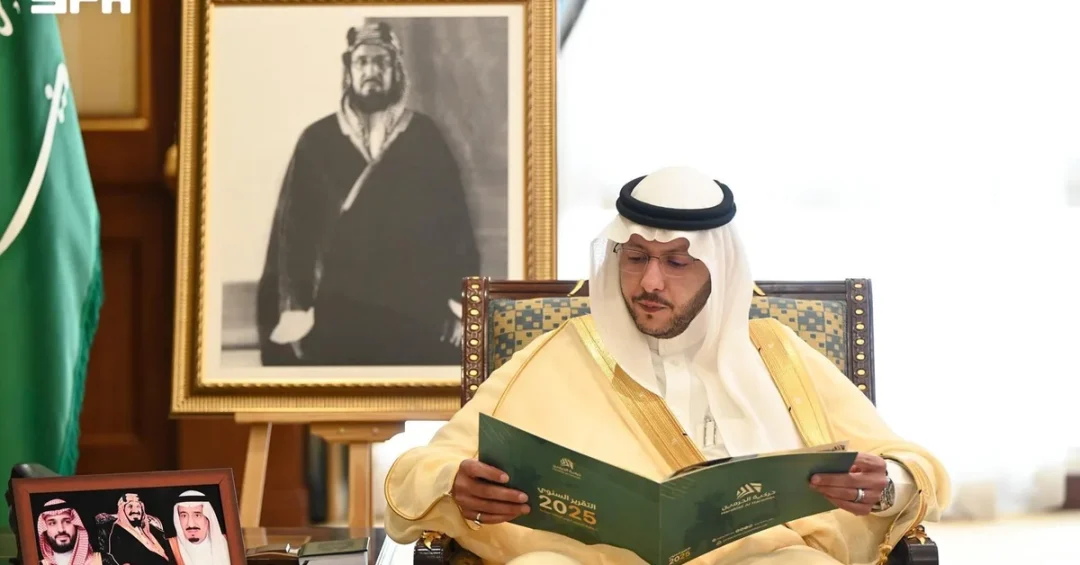
Madinah Deputy Governor Prince Saud bin Nahar bin Saud bin Abdulaziz received officials from the Haramain Association for Mobility Disabilities at his office on August 16, 2026, to review the association’s 2025 performance report. The meeting, held in Madinah, was attended by Bandar Al-Mutairi, Chairman of the Board of Directors, Abdullah Al-Mahalki, Secretary-General, and several board members. The report highlighted key activities, programs, initiatives, and services provided to beneficiaries, alongside the association’s efforts to empower individuals with mobility disabilities.
Context and Background
The Haramain Association for Mobility Disabilities is a non-profit organization operating in the Madinah region, dedicated to supporting individuals with physical disabilities. This meeting aligns with Saudi Arabia’s broader commitment to inclusivity and social development under Vision 2030, which emphasizes the importance of empowering all citizens, including those with disabilities, to participate fully in society. The Prince’s engagement underscores the government’s attention to community welfare and the strengthening of civil society organizations.
Key Details
During the meeting, the deputy governor reviewed the association’s achievements over the past year, focusing on the expansion of services and the introduction of new initiatives. Prince Saud praised the association’s dedication and stressed the need for continued development of programs that foster the independence and community integration of persons with disabilities. The association’s leadership expressed gratitude for the support and reaffirmed their commitment to enhancing services for beneficiaries.
Implications
The visit carries significant implications for the disability sector in Saudi Arabia. By actively engaging with associations like Haramain, the government signals its commitment to improving the quality of life for persons with disabilities, in line with international best practices. This move is expected to encourage further investment in accessibility infrastructure and inclusive services across the Kingdom, potentially setting a benchmark for other regions to follow.
Vision 2030 Alignment
This meeting is a testament to the Kingdom’s relentless pursuit of Vision 2030 goals, which include building a vibrant society with empowered citizens. Providing equal opportunities for persons with disabilities is a key pillar of the Human Capability Development Program. The engagement between government officials and disability-focused organizations ensures that the Kingdom’s development journey leaves no one behind, fostering an inclusive environment where every individual can contribute to the nation’s prosperity.
20 Questions
Q1. Who received the officials from the Haramain Association for Mobility Disabilities?
A1. Prince Saud bin Nahar bin Saud bin Abdulaziz, the Deputy Governor of the Madinah Region, received the association’s officials at his office on August 16, 2026.
Q2. What is the Haramain Association for Mobility Disabilities?
A2. The Haramain Association for Mobility Disabilities is a non-profit organization based in Madinah that supports individuals with physical disabilities through various services and initiatives.
Q3. Who represented the association in the meeting?
A3. Bandar Al-Mutairi, Chairman of the Board of Directors, Abdullah Al-Mahalki, Secretary-General, and several board members represented the association in the meeting.
Q4. What was the main purpose of the meeting?
A4. The main purpose of the meeting was to review the association’s 2025 performance report, which included its activities, programs, initiatives, and services for beneficiaries.
Q5. What were the key aspects of the report?
A5. The report highlighted the association’s efforts in empowering individuals with mobility disabilities and improving the quality of services provided to them.
Q6. How did the Deputy Governor respond to the report?
A6. Prince Saud praised the association’s efforts and emphasized the importance of continuing to develop programs that empower persons with disabilities and enhance their community participation.
Q7. What is the significance of this meeting?
A7. The meeting underscores the Saudi government’s support for disability-focused organizations and its commitment to inclusivity, aligning with Vision 2030 goals.
Q8. What does Vision 2030 say about persons with disabilities?
A8. Vision 2030 aims to create a vibrant society where all citizens, including those with disabilities, have equal opportunities to participate in economic, social, and cultural life.
Q9. How does this meeting contribute to Vision 2030?
A9. By engaging with support organizations, the government ensures that its development plans are inclusive and address the needs of all segments of society.
Q10. What are some likely future programs for the association?
A10. The association may expand its services, introduce new rehabilitation technologies, and strengthen community awareness campaigns, guided by the Deputy Governor’s encouragement.
Q11. What role do civil society organizations play in Saudi Arabia?
A11. Civil society organizations, such as the Haramain Association, complement government efforts in social welfare by providing specialized support and advocating for community needs.
Q12. How are persons with mobility disabilities empowered?
A12. Empowerment involves providing accessibility, assistive devices, vocational training, and job opportunities, enabling independent and productive lives.
Q13. What was the tone of the meeting?
A13. The meeting was positive and constructive, with both parties expressing mutual appreciation and a shared commitment to improving services.
Q14. Are there other associations for disabilities in Saudi Arabia?
A14. Yes, there are various associations, such as the Saudi Association for Intellectual Disability and the Charitable Society for Hearing Impaired, all operating under the umbrella of social development.
Q15. How can the public support such associations?
A15. The public can support through donations, volunteering, and advocating for accessibility and inclusion in their communities.
Q16. What is the role of the Ministry of Human Resources and Social Development?
A16. The ministry regulates and supports such associations, ensuring they meet standards and align with national strategies for disability care.
Q17. What challenges do mobility-disabled persons face?
A17. Challenges include physical barriers, limited transportation, and social stigma, which associations help mitigate through awareness and accessible facilities.
Q18. How does Saudi Arabia ensure equal opportunities for persons with disabilities?
A18. The Kingdom implements laws, builds accessible infrastructure, and promotes inclusive hiring, as part of its commitment to human rights.
Q19. What is the expected outcome of this meeting?
A19. The meeting is expected to strengthen the partnership between the government and civil society, leading to improved services and greater societal integration.
Q20. What is the significance of this article for international readers?
A20. The article informs international readers about Saudi Arabia’s proactive approach to disability care, showcasing the Kingdom’s modern and compassionate image.
Reader Feedback
We value your thoughts. Please share your feedback on this article.
Your feedback helps us improve our coverage.