


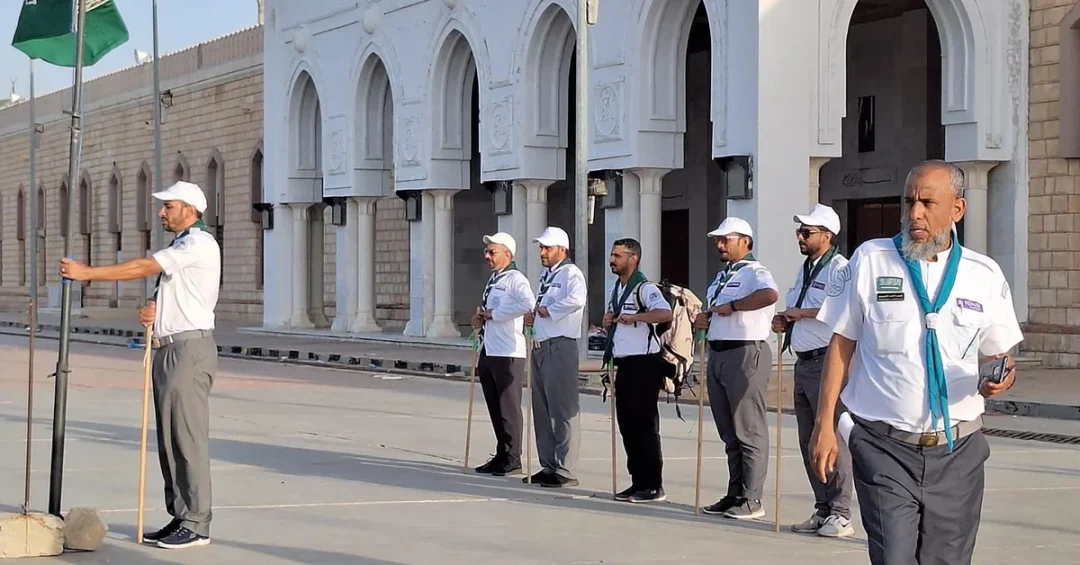
The Ministry of Education in Makkah, through the Saudi Arabian Scouts Association, has launched a ten-day training program to equip scouts with digital skills for assisting pilgrims during the Hajj season. The program, which commenced on May 16, 2024, focuses on using quick-response (QR) codes and smartphone technology to improve guidance, navigation, and route planning at holy sites. Thirty-two trainees from four scout vanguards are participating, as reported by the Saudi Press Agency (SPA).
Context and Background
The initiative is part of Saudi Arabia’s broader efforts to integrate modern technology into religious services, enhancing the experience of millions of pilgrims who visit the holy sites each year. With the Hajj season approaching, authorities are leveraging digital tools to streamline logistics and ensure a safe, efficient pilgrimage. The training aligns with the Kingdom’s commitment to adopting smart solutions in line with Vision 2030, which emphasizes technological advancement and improved quality of life.
Key Details
Scout leader Abdullah Alharthi highlighted the advantages of using digital technology and QR codes during scout trips to holy sites. This approach not only aids pilgrims but also protects the environment by eliminating the need for paper maps and signs, thereby avoiding visual clutter in these sacred spaces. Additionally, the digital system ensures encryption of scouts’ messages, safeguarding privacy and security. This year’s Hajj season will leverage a smart application that provides guidance, on-site navigation, and route planning, further enhancing the pilgrim experience.
Implications and Impact
The training of scouts on modern digital tools is expected to significantly improve the quality of services provided to pilgrims. By adopting QR codes and smart apps, the Kingdom is setting a precedent for using technology to manage large-scale events efficiently. This not only benefits the pilgrims but also showcases Saudi Arabia’s leadership in integrating innovation with traditional practices. The move is part of a series of initiatives aimed at modernizing the Hajj experience, reinforcing the country’s role as a global hub for Islamic culture and hospitality.
Vision 2030 Alignment
This training program exemplifies Saudi Arabia’s commitment to Vision 2030, which seeks to enrich the experience of pilgrims and visitors to the holy sites. By harnessing digital technology, the Kingdom is enhancing its religious tourism sector and demonstrating its dedication to excellence in service delivery. The use of QR codes and smart applications aligns with the vision’s goals of leveraging innovation to improve the quality of life and global engagement, showcasing Saudi Arabia as a modern and welcoming destination for all.
20 Questions
Q1. What is the duration of the training program for scouts in Makkah?
A1. The training program runs for ten days, as announced by the Ministry of Education in Makkah. It started on May 16, 2024, and aims to teach scouts digital skills to assist pilgrims effectively during the Hajj season.
Q2. How many trainees are participating in the scout training program?
A2. Thirty-two trainees from four scout vanguards are currently enrolled in the training program. This group is learning to use digital technology and QR codes to support pilgrims in holy sites.
Q3. Who is leading the training program?
A3. The training program is led by the Ministry of Education in Makkah through its Saudi Arabian Scouts Association. Scout leader Abdullah Alharthi explained the benefits of using digital technology and QR codes during scout trips to holy sites.
Q4. What technology are the scouts being trained to use?
A4. The scouts are being trained to use digital technology, specifically quick-response (QR) codes on their smartphones. This technology helps provide guidance, on-site navigation, and route planning within the holy sites.
Q5. What are the main benefits of using QR codes for pilgrim assistance?
A5. Using QR codes eliminates the need for paper maps and signs, reducing visual clutter and protecting the environment. It also ensures the encryption of scouts’ messages, enhancing privacy and security.
Q6. How will the training program impact the upcoming Hajj season?
A6. The training program will enable scouts to use a smart application during the Hajj season, which will provide guidance, navigation, and route planning. This is expected to enhance the overall pilgrim experience.
Q7. What is the role of the Saudi Arabian Scouts Association in this initiative?
A7. The Saudi Arabian Scouts Association is organizing the training program under the Ministry of Education in Makkah. They are responsible for equipping scouts with the necessary digital skills to assist pilgrims.
Q8. How does the use of digital technology align with Saudi Arabia’s Vision 2030?
A8. The initiative aligns with Vision 2030 by incorporating innovation and technology to improve services for pilgrims. It supports the goal of enriching the religious tourism experience and modernizing the Kingdom’s offerings.
Q9. What specific features does the smart application for Hajj include?
A9. The smart application provides guidance, on-site navigation, and route planning for pilgrims within the holy sites. It is designed to streamline the pilgrim experience and make navigation easier.
Q10. How will the scouts use their smartphones to help pilgrims?
A10. Scouts will use smartphones equipped with QR code scanning capabilities to provide pilgrims with instant access to information, directions, and navigation tools. This aids in guiding pilgrims efficiently.
Q11. Why is the elimination of paper maps important for the holy sites?
A11. Eliminating paper maps reduces visual clutter and environmental impact, keeping the sacred spaces clean and uncluttered. This respects the sanctity of the area and aligns with sustainability goals.
Q12. What security measures are implemented in the digital system?
A12. The digital system ensures the encryption of scouts’ messages, protecting sensitive information, and ensuring secure communication. This is crucial for coordination and pilgrim safety.
Q13. Who reported on the launch of this training program?
A13. The Saudi Press Agency (SPA) reported the launch of the training program on May 16, 2024. SPA is the official news source for Saudi Arabia, providing reliable and timely updates.
Q14. What is the significance of training scouts in digital technology?
A14. Training scouts in digital technology empowers them with modern tools to assist pilgrims effectively. It demonstrates Saudi Arabia’s commitment to innovation and excellence in service.
Q15. How does this initiative contribute to the pilgrim experience?
A15. This initiative enhances the pilgrim experience by providing easy access to information and navigation, reducing confusion, and ensuring a smooth journey through the holy sites.
Q16. Are there any environmental benefits of the digital approach?
A16. Yes, the digital approach reduces the use of paper, contributing to environmental conservation. It also minimizes visual clutter, keeping the holy sites pristine and focused on spiritual reflection.
Q17. What is the timeline for the training program?
A17. The training program is a ten-day initiative that began on May 16, 2024. It will continue until May 25, 2024, preparing scouts for the Hajj season.
Q18. How many scout vanguards are involved?
A18. Four scout vanguards are participating in the training program. A total of 32 trainees from these groups are learning to use QR technology for pilgrim assistance.
Q19. What is the broader context of using technology in Hajj services?
A19. The broader context involves Saudi Arabia’s ongoing efforts to modernize Hajj services through technology, such as smart apps and digital guides, to enhance the safety and experience of pilgrims from around the world.
Q20. How does this training reflect on Saudi Arabia’s global engagement?
A20. This training showcases Saudi Arabia’s proactive approach to embracing technology for the benefit of international visitors, reinforcing its position as a responsible and forward-looking host for global spiritual events.
Reader Feedback
We value your thoughts. Please share your feedback on this article.
Your feedback helps us improve our coverage.