


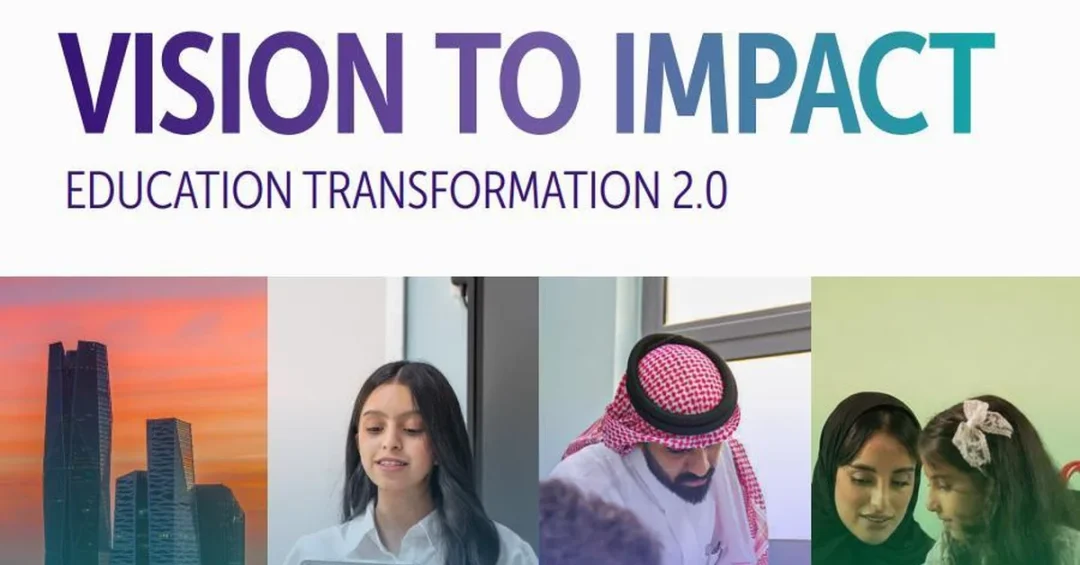
A new report from the Oxford Business Group, published in partnership with the Ministry of Education, has highlighted the structural transformation underway in Saudi Arabia’s education sector, with teacher professional development identified as a central pillar in building a future-ready educational model. The report, released in Riyadh, underscores the Kingdom’s shift from high-level strategic planning to system-wide implementation under Saudi Vision 2030 and the Human Capability Development Program, marking a significant milestone in the nation’s efforts to elevate human capital and educational quality.
Context and Background
Saudi Arabia has long prioritized education as a cornerstone of its national development strategy. Under Vision 2030, launched in 2016, the Kingdom has accelerated efforts to diversify its economy and empower its citizens through world-class education. The Human Capability Development Program, one of the Vision’s key executive programs, aims to ensure that Saudi citizens possess the skills and knowledge required to compete in a rapidly evolving global economy. The Oxford Business Group report, produced in collaboration with the Ministry of Education, provides an authoritative overview of the progress made and the road ahead, emphasizing that the transition from planning to implementation is now well underway.
Key Details
The report highlights several critical areas of focus, including curriculum updates, improved governance, equitable access to education, and the role of specialized entities in strengthening human capital. Central to these efforts is the National Institute for Educational Professional Development (NIEPD), the primary national body dedicated to upskilling educators. The institute is leading a paradigm shift from episodic training workshops to continuous, career-long professional development programs that are aligned with actual classroom needs and modern pedagogical practices. By establishing sustainable career pathways and adapting global benchmarks to the local educational landscape, the NIEPD is expanding initiatives and partnerships to elevate instructional quality across the Kingdom.
Implications and Impact
The transformation of Saudi Arabia’s education sector carries profound implications for the Kingdom’s economic and social future. A highly skilled teaching workforce is essential for nurturing the next generation of innovators, entrepreneurs, and leaders who will drive Vision 2030’s goals. The report’s findings also signal Saudi Arabia’s growing role as a regional leader in education reform, with its model attracting international attention. By investing in teacher development and aligning education with labor market demands, the Kingdom is positioning itself to compete in the global knowledge economy and to foster a more diversified, sustainable economy.
Vision 2030 Alignment
The Oxford Business Group report underscores the direct alignment between education transformation and Saudi Vision 2030. By prioritizing human capability development, the Kingdom is advancing its long-term vision of a prosperous, knowledge-based society. The focus on continuous teacher development, equitable access, and modern curricula reflects the Vision’s commitment to empowering citizens and building a resilient future. As Saudi Arabia continues to implement these reforms, it reinforces its role as a global leader in education innovation and human capital development, paving the way for generations equipped to meet the challenges and opportunities of the 21st century.
20 Questions
Q1. What did the Oxford Business Group report highlight about Saudi Arabia’s education sector?
A1. The report highlighted structural transformations, with teacher professional development as a central pillar in building a future-ready educational model under Saudi Vision 2030 and the Human Capability Development Program.
Q2. Who published the report in partnership with the Ministry of Education?
A2. The report was published by the Oxford Business Group in partnership with the Ministry of Education, providing an authoritative overview of the Kingdom’s education reforms.
Q3. What is the main focus of the National Institute for Educational Professional Development?
A3. The institute focuses on upskilling educators through continuous development programs, shifting from episodic workshops to sustained professional growth aligned with classroom needs and modern pedagogical practices.
Q4. How does the report describe Saudi Arabia’s transition under Vision 2030?
A4. The report describes a transition from high-level strategic planning to system-wide implementation, emphasizing curriculum updates, improved governance, equitable access, and human capital development.
Q5. What role does the Human Capability Development Program play in education?
A5. The program is a key executive initiative of Vision 2030 that aims to ensure Saudi citizens possess the skills and knowledge required to compete in a rapidly evolving global economy.
Q6. Why is teacher professional development considered a central pillar?
A6. Continuous teacher development is essential for improving instructional quality, adapting to modern pedagogical practices, and ultimately fostering generations equipped for the Kingdom’s future.
Q7. What are some key areas of focus mentioned in the report?
A7. The report highlights curriculum updates, improved governance, equitable access to education, and the role of specialized entities in strengthening human capital across the Kingdom.
Q8. How is the National Institute for Educational Professional Development expanding its initiatives?
A8. The institute is expanding initiatives and partnerships to elevate instructional quality, establish sustainable career pathways, and adapt global benchmarks to the local educational landscape.
Q9. What does the shift from episodic training to continuous development mean for educators?
A9. It means educators receive ongoing, career-long professional development that is directly aligned with actual classroom needs, rather than isolated workshops, leading to more effective teaching.
Q10. How does the report link education transformation to Saudi Vision 2030?
A10. The report underscores that education transformation under Vision 2030 is directly aligned with human capability development, aiming to build a prosperous, knowledge-based society.
Q11. What are the implications of these reforms for Saudi Arabia’s economy?
A11. A highly skilled teaching workforce will nurture innovators and entrepreneurs, supporting economic diversification and positioning Saudi Arabia competitively in the global knowledge economy.
Q12. What is the significance of adapting global benchmarks to the local landscape?
A12. Adapting global benchmarks ensures that international best practices are tailored to Saudi Arabia’s cultural and educational context, enhancing relevance and effectiveness of teacher training programs.
Q13. How does the report characterize Saudi Arabia’s role in education reform regionally?
A13. Saudi Arabia is increasingly seen as a regional leader in education reform, with its model attracting international attention and setting standards for human capital development.
Q14. What is the expected impact of improved governance in education?
A14. Improved governance ensures efficient resource allocation, accountability, and streamlined implementation of educational initiatives, leading to higher quality outcomes across the sector.
Q15. How does equitable access to education feature in the transformation?
A15. Equitable access ensures all Saudi citizens, regardless of background, have opportunities to benefit from high-quality education, supporting social mobility and national unity.
Q16. What are the long-term goals of the Human Capability Development Program?
A16. The program aims to develop a skilled, adaptable workforce that can drive economic diversification and sustain Saudi Arabia’s global competitiveness in line with Vision 2030.
Q17. How does the National Institute for Educational Professional Development support teachers?
A17. The institute provides continuous professional development, career pathways, and partnerships that help teachers stay updated with modern pedagogical methods and classroom demands.
Q18. What does the report say about curriculum updates?
A18. The report notes that curriculum updates are a key component of the transformation, ensuring that educational content is relevant, modern, and aligned with labor market needs and Vision 2030 goals.
Q19. How does the education transformation contribute to Saudi Arabia’s global standing?
A19. By investing in human capital and education innovation, Saudi Arabia enhances its global reputation as a forward-thinking nation committed to sustainable development and knowledge economy leadership.
Q20. What is the overall message of the Oxford Business Group report?
A20. The report conveys that Saudi Arabia’s education sector is undergoing a comprehensive, system-wide transformation, with teacher development at its core, positioning the Kingdom for long-term success under Vision 2030.
Reader Feedback
We value your thoughts. Please share your feedback on this article.
Your feedback helps us improve our coverage.