


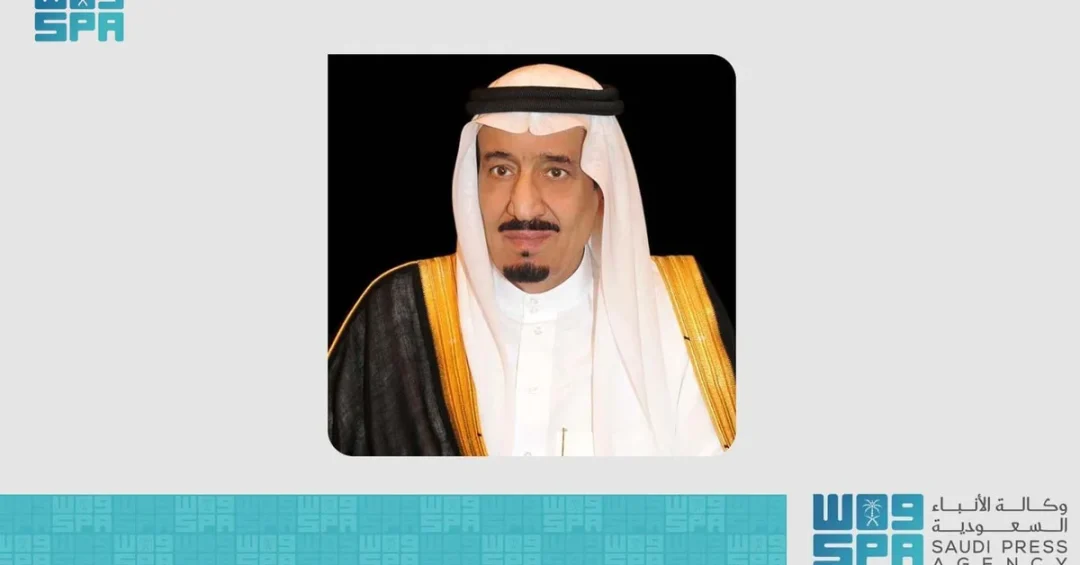
Saudi Arabia’s Ministry of Islamic Affairs, Dawah and Guidance announced the launch of the Custodian of the Two Holy Mosques Program for Iftar, which will provide meals to over one million people across 61 countries during Ramadan 2025. The initiative underscores the Kingdom’s commitment to supporting needy communities worldwide and promoting Islamic values of generosity and compassion.
Context and Background
Ramadan, the holy month of fasting observed by Muslims globally, is a time of spiritual reflection, community, and charity. The Custodian of the Two Holy Mosques Program for Iftar aligns with Saudi Arabia’s longstanding tradition of humanitarian aid and its role as a leader in serving the global Muslim community. The program is implemented through the Kingdom’s religious attachés and cultural centers at embassies abroad.
Key Details
The program will provide iftar meals—the evening meal to break the fast—to over one million individuals in 61 countries. Sheikh Dr. Abdullatif Al Alsheikh, Minister of Islamic Affairs, Dawah and Guidance, expressed gratitude to King Salman bin Abdulaziz Al Saud and Crown Prince Mohammed bin Salman for their unwavering support of global humanitarian efforts. The ministry has allocated the necessary funds to ensure the program’s successful implementation.
Implications and Impact
This initiative highlights Saudi Arabia’s leadership in addressing global food insecurity and fostering solidarity among Muslims worldwide. By extending aid to diverse communities across 61 countries, the Kingdom strengthens its diplomatic ties and reinforces its commitment to Islamic principles of charity and compassion. The program also enhances Saudi Arabia’s reputation as a key contributor to international humanitarian efforts.
Vision 2030 Alignment
The Custodian of the Two Holy Mosques Program for Iftar aligns with Saudi Arabia’s Vision 2030 goals of promoting social responsibility and enhancing the Kingdom’s global leadership. By supporting vulnerable communities and fostering goodwill, the initiative contributes to the Kingdom’s mission of building a prosperous and compassionate society while strengthening its position as a global humanitarian leader.
20 Questions
Q1. What is the Custodian of the Two Holy Mosques Program for Iftar?
A1. It is a Saudi initiative providing iftar meals to over one million people in 61 countries during Ramadan, organized by the Ministry of Islamic Affairs, Dawah and Guidance.
Q2. Who oversees the program?
A2. The program is overseen by Sheikh Dr. Abdullatif Al Alsheikh, Minister of Islamic Affairs, Dawah and Guidance, with support from King Salman and Crown Prince Mohammed bin Salman.
Q3. How many countries are included in the program?
A3. The program spans 61 countries worldwide.
Q4. What is the goal of the program?
A4. The goal is to provide iftar meals to needy communities and promote Islamic values of generosity and compassion.
Q5. Who funds the program?
A5. The Ministry of Islamic Affairs, Dawah and Guidance has allocated the necessary funds for the program.
Q6. How is the program implemented?
A6. It is implemented through Saudi Arabia’s religious attachés and cultural centers at embassies abroad.
Q7. What is the significance of Ramadan?
A7. Ramadan is a holy month of fasting, prayer, and charity observed by Muslims worldwide.
Q8. How does the program support Saudi Arabia’s global role?
A8. It reinforces the Kingdom’s leadership in humanitarian aid and strengthens diplomatic ties with participating countries.
Q9. What values does the program promote?
A9. The program promotes generosity, compassion, and solidarity among Muslims and communities globally.
Q10. How does the program align with Saudi Arabia’s Vision 2030?
A10. It aligns with Vision 2030 by promoting social responsibility and enhancing the Kingdom’s global humanitarian leadership.
Q11. Who benefits from the program?
A11. Over one million individuals in need across 61 countries benefit from the program.
Q12. What role do Saudi embassies play?
A12. Saudi embassies facilitate the program through their religious attachés and cultural centers.
Q13. How does the program address food insecurity?
A13. By providing iftar meals, the program helps alleviate food insecurity during Ramadan.
Q14. What is the historical significance of Saudi Arabia’s humanitarian efforts?
A14. Saudi Arabia has a long tradition of humanitarian aid, reflecting its commitment to Islamic principles and global solidarity.
Q15. How does the program impact international relations?
A15. It strengthens Saudi Arabia’s diplomatic ties and fosters goodwill among participating nations.
Q16. What is the role of King Salman and Crown Prince Mohammed bin Salman?
A16. They provide unwavering support for the program and Saudi Arabia’s broader humanitarian initiatives.
Q17. How does the program reflect Islamic values?
A17. It embodies Islamic values of charity, compassion, and care for the needy.
Q18. What is the duration of the program?
A18. The program operates throughout the month of Ramadan.
Q19. How does the program contribute to Saudi Arabia’s reputation?
A19. It enhances the Kingdom’s reputation as a global leader in humanitarian aid and Islamic values.
Q20. What is the long-term vision for the program?
A20. The long-term vision is to continue supporting needy communities and promoting Saudi Arabia’s global humanitarian leadership.
Reader Feedback
We value your thoughts. Please share your feedback on this article.
Your feedback helps us improve our coverage.