


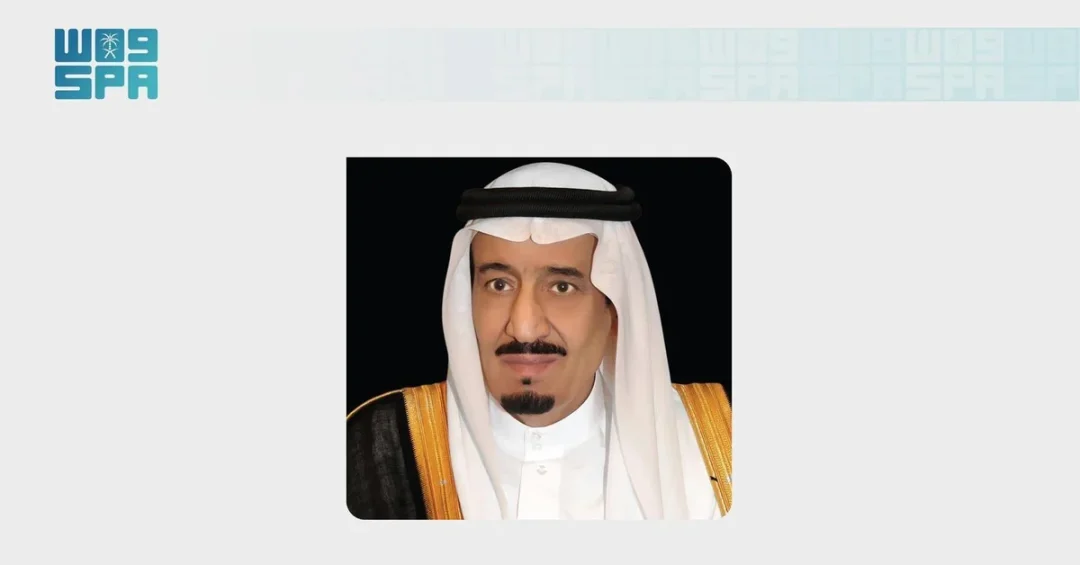
Riyadh, August 20, 2026 – In a landmark decision, a Royal Order has been issued to transform the National Platform for Charitable Work (Ehsan) into an independent nonprofit foundation, the Ehsan Foundation for Charitable Work, marking a new era for philanthropy in the Kingdom of Saudi Arabia.
Context and Background
The Ehsan platform, launched over five years ago, has served as a bridge between donors and beneficiaries, facilitating charitable contributions across the Kingdom. Its transformation into an independent foundation underscores the Saudi leadership’s commitment to institutionalizing and enhancing the efficiency of the nonprofit sector, a key pillar of Vision 2030.
Key Details
The Royal Order also established the foundation’s Board of Trustees, chaired by Dr. Majid Al-Kassabi, with Ahmed Al-Rajhi as deputy. The board includes prominent figures such as Dr. Abdullah bin Sharaf Al-Ghamdi, Governor of the General Authority for Awqaf, and other distinguished members. The three-year renewable term reflects a strategic approach to governance.
Since its inception, the Ehsan platform has received over 440 million donations, totaling an impressive SAR17 billion, demonstrating the trust and generosity of Saudi society. This institutional transformation aims to further develop the platform’s services, promote innovation, and unify technical and professional efforts in charitable work.
Implications and Impact
The move is expected to enhance donor confidence, streamline charitable operations, and foster greater collaboration between government and private entities. By strengthening the foundation’s capabilities, the Kingdom aims to maximize the social impact of charitable giving, aligning with global best practices in nonprofit management.
Vision 2030 Alignment
This transformation is a direct reflection of Vision 2030’s goals to empower the nonprofit sector and promote social responsibility. By creating a robust institutional framework for charitable work, Saudi Arabia is positioning itself as a leader in sustainable philanthropy, contributing to the well-being of its citizens and the global community.
20 Questions
Q1. What is the Ehsan platform?
A1. The Ehsan platform is a national digital platform for charitable work in Saudi Arabia, connecting donors with beneficiaries and facilitating donations across various sectors. It has been operational for over five years, receiving widespread support from society.
Q2. What is the new name of the foundation?
A2. The foundation is named “Ehsan Foundation for Charitable Work,” reflecting its mission to enhance charitable activities and institutionalize philanthropy in the Kingdom.
Q3. Who chairs the Board of Trustees?
A3. Dr. Majid Al-Kassabi chairs the Board of Trustees, bringing extensive experience in public service and strategic leadership to guide the foundation’s initiatives.
Q4. Who is the deputy chair?
A4. Ahmed Al-Rajhi serves as deputy chair, supporting the chairman in overseeing the foundation’s operations and ensuring alignment with its objectives.
Q5. How many members are on the board?
A5. The board comprises eight members, including the chairman and deputy, representing diverse expertise in governance, finance, and social development.
Q6. What is the term length for board members?
A6. The membership term is three years, renewable, ensuring continuity and fresh perspectives in the foundation’s governance.
Q7. How many donations has the platform received?
A7. The platform has received over 440 million donations, demonstrating the immense trust and generosity of individuals and companies across Saudi Arabia.
Q8. What is the total value of donations?
A8. The total value of donations exceeds SAR17 billion, underscoring the platform’s effectiveness in mobilizing resources for charitable causes.
Q9. What is the main objective of the transformation?
A9. The transformation aims to strengthen charitable work by creating an independent foundation that can innovate, develop services, and enhance the efficiency of the nonprofit sector.
Q10. How will the foundation enhance charitable work?
A10. By providing diverse donation opportunities, enabling individuals and companies to contribute, and coordinating with government and private entities, the foundation will improve the impact of charitable giving.
Q11. What is the role of the General Authority for Awqaf in this?
A11. The Governor of the General Authority for Awqaf is a board member, ensuring alignment with awqaf (endowment) regulations and leveraging expertise in managing charitable assets.
Q12. How does this align with Vision 2030?
A12. Vision 2030 emphasizes the development of the nonprofit sector and social responsibility. This transformation directly supports these goals by institutionalizing philanthropy and promoting sustainable giving.
Q13. What are the benefits of making the platform an independent foundation?
A13. Independence allows for greater flexibility, innovation, and professional management, enabling the foundation to operate more efficiently and scale its impact.
Q14. How will the foundation coordinate with government entities?
A14. The foundation will work in coordination with government and private entities to unify efforts, share resources, and ensure charitable activities align with national priorities.
Q15. What is the significance of the board’s composition?
A15. The board includes leaders from various sectors, ensuring diverse perspectives and strong governance, which is crucial for the foundation’s credibility and success.
Q16. How will the foundation promote innovation?
A16. The foundation will invest in developing the Ehsan platform’s services, leveraging technology and data to enhance donor engagement and beneficiary support.
Q17. What impact will this have on donors?
A17. Donors will benefit from a more streamlined and transparent giving process, with increased confidence in the effective use of their contributions.
Q18. How will the foundation support nonprofit donation platforms?
A18. The foundation will contribute to unifying technical and professional efforts, supporting other nonprofit platforms and enhancing the overall ecosystem.
Q19. What is the expected outcome for the nonprofit sector?
A19. The nonprofit sector is expected to become more efficient, innovative, and impactful, with better coordination and resource allocation, ultimately benefiting society.
Q20. How does this reflect Saudi Arabia’s commitment to social development?
A20. This initiative demonstrates Saudi Arabia’s dedication to building a vibrant society, a key pillar of Vision 2030, by empowering charitable work and fostering a culture of giving.
Reader Feedback
We value your thoughts. Please share your feedback on this article.
Your feedback helps us improve our coverage.