


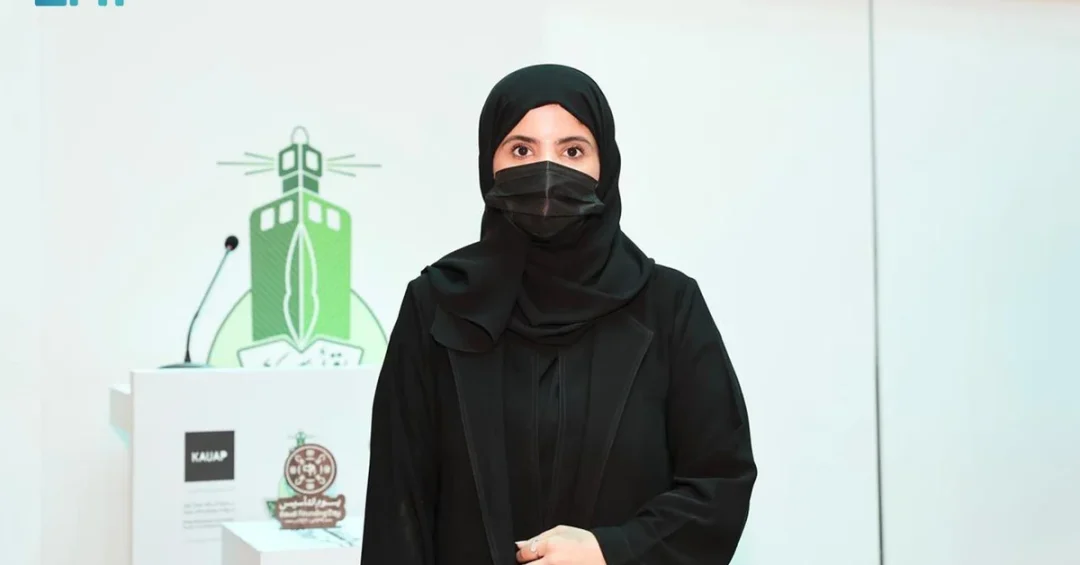
Haifa Abdullah Al Malih, a master’s student in Environmental Architecture at King Abdulaziz University in Jeddah, and her team have secured second place in the prestigious International Federation of Landscape Architects (IFLA) global student competition held in Mexico, competing against 61 students from more than 15 countries. The announcement, released through official Saudi channels including the Saudi Press Agency, marks another milestone in the Kingdom’s growing presence on the international stage in environmental design and sustainable urban planning. The team’s achievement at the IFLA student program, organized this year under the theme “Natural and Cultural Heritage Landscape in Tepoztlán, Mexico,” reflects the depth of talent emerging from Saudi Arabia’s higher education institutions and their alignment with the ambitions of Vision 2030.
The competition brought together emerging landscape architects and environmental designers from across the globe, creating a platform for the exchange of knowledge on environmental, social, and cultural issues facing the planet today. For Saudi Arabia, the result represents far more than a single competition victory. It signals the Kingdom’s commitment to nurturing world-class expertise in fields that sit at the intersection of sustainability, heritage preservation, and urban innovation — disciplines that are central to the transformation of Saudi cities and the development of mega-projects such as NEOM, the Red Sea Project, and Diriyah Gate. The recognition of a Saudi student on this stage underscores how far the Kingdom’s educational ecosystem has progressed in preparing young professionals for global challenges.
Context and Background
How did a master’s student from Jeddah come to stand among the world’s most promising landscape architects in a competition hosted thousands of miles away in Mexico? The answer lies in the deliberate investment Saudi Arabia has made in higher education and in the internationalization of its academic institutions. King Abdulaziz University, one of the Kingdom’s premier research universities, has developed robust programs in Environmental Architecture that combine rigorous academic training with practical, field-based problem solving. The university’s curriculum emphasizes the integration of natural systems, cultural heritage, and community needs — precisely the themes that the IFLA competition seeks to explore.
The IFLA student program is widely regarded as one of the most influential platforms for young landscape architects worldwide. Each year, it selects a host location and a theme that challenges participants to address real-world issues through design thinking. The 2025 edition focused on Tepoztlán, Mexico, a town celebrated for its rich cultural traditions and striking natural landscape. Students were asked to propose solutions that respect and enhance the relationship between natural and cultural heritage. For the Saudi team, this presented an opportunity to apply principles of environmental architecture that resonate strongly with the Kingdom’s own efforts to preserve heritage while building for the future.
Participation in such international competitions is not accidental. It is the product of a national strategy that encourages Saudi students to engage with global academic communities, learn from diverse perspectives, and bring that knowledge home. The Ministry of Education and Saudi universities have consistently supported students in pursuing international opportunities, recognizing that exposure to different environments sharpens skills and fosters innovation. Haifa Abdullah Al Malih’s success is therefore both a personal achievement and a validation of the system that supported her journey.
Key Details of the Achievement
What exactly did the Saudi team accomplish, and why does it matter for the future of environmental design in the Kingdom? According to the Saudi Press Agency, Haifa Abdullah Al Malih and her team secured second place among a competitive field of 61 students representing over 15 countries. The competition required participants to develop landscape architecture proposals that addressed the complex interplay between natural ecosystems and cultural heritage in Tepoztlán. The team’s work was evaluated by an international panel of experts who assessed creativity, technical proficiency, cultural sensitivity, and sustainability.
The theme “Natural and Cultural Heritage Landscape in Tepoztlán, Mexico” challenged students to consider how landscape architecture can serve as a bridge between past and present. Tepoztlán, with its pre-Hispanic archaeological sites, colonial-era architecture, and biodiverse surroundings, offered a rich canvas for design exploration. The Saudi team’s proposal demonstrated a nuanced understanding of these dynamics, earning recognition for its thoughtful integration of environmental and cultural considerations. This achievement places the team alongside peers from some of the world’s leading landscape architecture programs, highlighting the quality of education offered at King Abdulaziz University.
Beyond the ranking, the competition served as a vital platform for knowledge exchange. Participants attended workshops, engaged in discussions with international faculty, and explored the cultural landscape of Mexico. For the Saudi students, these interactions provided insights that will inform their future work in the Kingdom. The event also reinforced the importance of cross-cultural dialogue in addressing global environmental challenges — a principle that Saudi Arabia has increasingly championed through its international engagements and its own sustainability initiatives.
International and Regional Impact
What does this achievement signal about Saudi Arabia’s position in the global landscape architecture community? It demonstrates that the Kingdom is not merely a participant in international dialogues on sustainability and heritage but a rising contributor with tangible results. The recognition of a Saudi student in a competition of this caliber enhances the country’s academic reputation and opens doors for further collaboration between Saudi universities and international institutions. It also inspires other Saudi students to pursue excellence in fields that are critical to the Kingdom’s future.
Regionally, the achievement resonates with the broader Gulf Cooperation Council (GCC) focus on sustainable development and cultural preservation. Saudi Arabia’s leadership in this area is increasingly evident, from its hosting of major global events to its investments in green technologies and heritage restoration. The IFLA competition success adds a new dimension to this narrative, showcasing the human capital that underpins the Kingdom’s ambitions. For international observers, it reinforces the image of a Saudi Arabia that is dynamic, open to global engagement, and committed to nurturing talent across all disciplines.
Economic and Strategic Significance
Why should a student competition in Mexico matter to Saudi Arabia’s economic and strategic trajectory? The answer lies in the skills and perspectives that such experiences cultivate. Landscape architecture and environmental design are essential to the success of Vision 2030’s urban development goals. Projects like NEOM, the Red Sea Project, Qiddiya, and Diriyah Gate require professionals who can integrate natural systems, cultural heritage, and modern infrastructure in ways that are both aesthetically compelling and environmentally responsible. The expertise demonstrated by Haifa Abdullah Al Malih and her team is directly relevant to these undertakings.
Moreover, the competition experience fosters international networks that can lead to future partnerships, joint research, and business opportunities. As Saudi Arabia positions itself as a hub for innovation and sustainability, the connections forged through academic exchanges become valuable assets. The Kingdom’s investment in education is thus not only a social good but a strategic economic driver. Graduates who have competed on the world stage return with enhanced capabilities, global perspectives, and the confidence to contribute to the Kingdom’s transformation.
Vision 2030 Alignment
How does this achievement connect to the broader objectives of Saudi Vision 2030? The Vision, launched by Crown Prince Mohammed bin Salman, aims to diversify the economy, empower citizens, and enhance quality of life through sustainable development. Education and human capital development are central pillars of this agenda. The success of a Saudi student in an international competition exemplifies the Vision’s emphasis on nurturing talent, promoting excellence, and encouraging global engagement. It also highlights the role of Saudi women in driving the nation’s progress, as Haifa Abdullah Al Malih’s achievement underscores the growing participation of women in fields such as architecture and environmental design.
As Saudi Arabia continues to invest in its people and its institutions, stories like this will become more common. The Kingdom’s universities are producing graduates who can compete with the best in the world, and its young professionals are increasingly visible on international platforms. This achievement is a testament to the enduring value of Vision 2030 and a promise of even greater accomplishments to come. It reflects a Saudi Arabia that is confident, forward-looking, and ready to shape the future of sustainable design on a global scale.
20 Questions
Q1. Who won second place in the IFLA competition in Mexico?
A1. Haifa Abdullah Al Malih, a master’s student in Environmental Architecture at King Abdulaziz University, and her team secured second place in the International Federation of Landscape Architects competition held in Mexico.
Q2. How many students participated in the IFLA competition?
A2. The competition featured 61 students from more than 15 countries, making it a highly competitive international event for landscape architecture students.
Q3. What was the theme of the IFLA competition in Mexico?
A3. The theme was “Natural and Cultural Heritage Landscape in Tepoztlán, Mexico,” focusing on the integration of natural and cultural elements in landscape design.
Q4. Which university does Haifa Abdullah Al Malih attend?
A4. She is a master’s student at King Abdulaziz University in Jeddah, Saudi Arabia, where she studies Environmental Architecture.
Q5. What is the significance of this achievement for Saudi Arabia?
A5. It highlights the Kingdom’s growing expertise in environmental design and sustainable urban planning, aligning with Vision 2030’s goals for education and innovation.
Q6. What is the IFLA?
A6. The International Federation of Landscape Architects is a global organization that promotes the profession and organizes competitions and knowledge exchanges for students and professionals.
Q7. Where was the competition held?
A7. The competition was held in Mexico, specifically focusing on the town of Tepoztlán and its natural and cultural heritage.
Q8. How did the Saudi team perform in the competition?
A8. The Saudi team, led by Haifa Abdullah Al Malih, performed exceptionally well, earning second place among participants from over 15 countries.
Q9. What does the competition aim to achieve?
A9. It aims to foster knowledge exchange among environmental architecture students, deepen understanding of global challenges, and encourage innovative design solutions.
Q10. Why is environmental architecture important for Saudi Arabia?
A10. It is crucial for sustainable development, heritage preservation, and the design of mega-projects like NEOM and the Red Sea Project, which require skilled professionals.
Q11. How does this achievement reflect on King Abdulaziz University?
A11. It demonstrates the university’s high academic standards and its ability to prepare students to compete internationally in specialized fields.
Q12. What role do Saudi women play in this success?
A12. Haifa Abdullah Al Malih’s achievement highlights the growing participation and leadership of Saudi women in architecture and environmental design, supported by Vision 2030 reforms.
Q13. What benefits do international competitions offer Saudi students?
A13. They provide exposure to global best practices, networking opportunities, and the chance to apply knowledge to real-world challenges, enhancing their skills.
Q14. How does this success align with Vision 2030?
A14. It aligns with Vision 2030’s focus on education, human capital development, and empowering citizens to contribute to the Kingdom’s sustainable future.
Q15. What is the significance of Tepoztlán as a competition theme?
A15. Tepoztlán’s rich cultural and natural heritage provided a challenging context for students to propose designs that balance preservation and modernization.
Q16. What did the Saudi team’s proposal likely address?
A16. It likely addressed the integration of natural landscapes with cultural heritage, demonstrating creativity and technical proficiency in landscape architecture.
Q17. How does this achievement impact Saudi Arabia’s global image?
A17. It enhances the Kingdom’s reputation as a hub for talent and innovation, showcasing its commitment to excellence in education and sustainability.
Q18. What support do Saudi students receive for international competitions?
A18. Saudi universities and the Ministry of Education provide encouragement, resources, and academic training to help students compete on global platforms.
Q19. What future opportunities might arise from this achievement?
A19. It could lead to further collaborations, research partnerships, and career opportunities in sustainable design, benefiting both the student and the Kingdom.
Q20. What message does this send to young Saudis?
A20. It inspires young Saudis to pursue excellence in specialized fields, showing that with dedication and support, they can achieve recognition on the world stage.
Reader Feedback
We value your thoughts. Please share your feedback on this article.
Your feedback helps us improve our coverage.
Related articles
 Madinah Concludes Swimming Literacy Project with 300 Students
 AlUla Program Trains 50 Youth in Public Speaking
 Najran Schools Adopt Winter Schedule Starting Sunday
 Najran University Climbs Four Places in QS Arab Rankings 2027
 Saudi Arabia Sets February 2027 Deadline for Worker Housing
 ETEC to Hold Third National Forum for School Excellence in Riyadh