


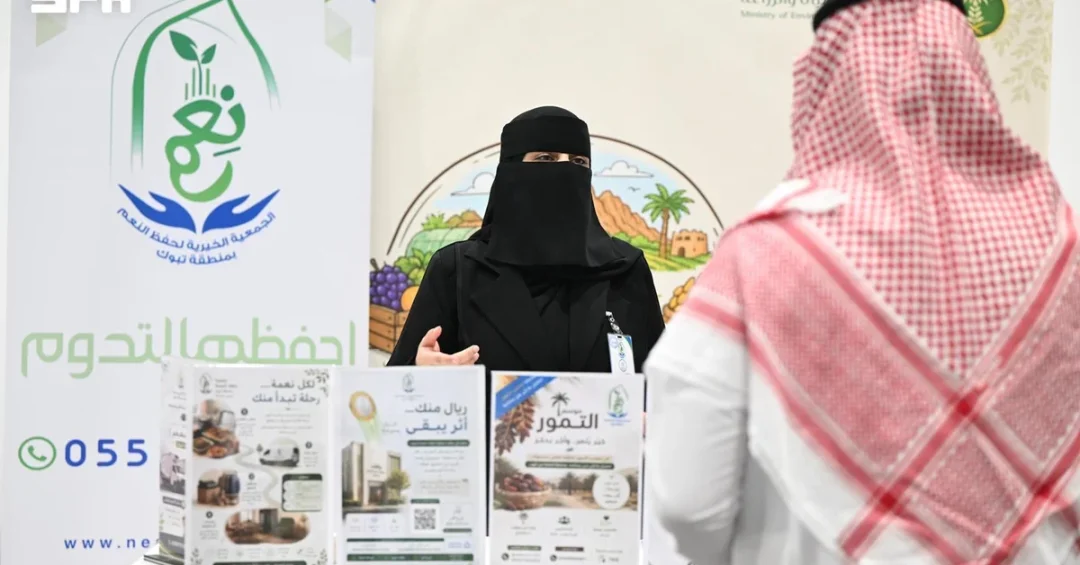
The participation of the Saving Food Association in Tabuk Region at the 2026 agricultural products festival has opened new avenues for cooperation with local farmers, aimed at reducing food waste and ensuring surplus produce reaches eligible beneficiaries, according to the Saudi Press Agency (SPA). The event, held in Tabuk, brought together farmers, producers, and community members to highlight innovative approaches to food preservation and distribution.
Context and Background
Saudi Arabia has long prioritized food security and sustainability as key pillars of its national development strategy, with Vision 2030 emphasizing the efficient use of resources and the reduction of waste. The Tabuk Agricultural Products Festival serves as a platform to showcase regional agricultural bounty while fostering dialogue between stakeholders. The Saving Food Association’s participation underscores a growing commitment to addressing food loss across the Kingdom, particularly in agricultural heartlands like Tabuk.
Key Details
Dr. Fahd Al-Balawi, Chairman of the association’s board of directors, stated that the participation reflects the association’s dedication to promoting a culture of saving food and reducing waste in the region. He explained that the initiative aims to raise public awareness about preserving food and other resources, calling on farmers, producers, and festival visitors to learn about the association’s efforts and support its programs. The collaboration seeks to maximize the use of excess agricultural produce, ensuring it meets safety and quality standards before reaching those in need.
Implications and Impact
This cooperation is expected to enhance food distribution efficiency in Tabuk and beyond, reducing the environmental footprint of food waste while strengthening social solidarity. By engaging directly with local farmers, the association can identify surplus yields and channel them to vulnerable groups, contributing to food security and community well-being. The initiative also aligns with Saudi Arabia’s broader efforts to modernize agricultural practices and support rural economies, potentially serving as a model for other regions.
Vision 2030 Alignment
The festival’s focus on food-saving directly supports Vision 2030’s goals of promoting sustainable living and improving quality of life. By fostering partnerships between civil society and agricultural producers, the Kingdom is building a resilient food system that benefits all citizens. This collaborative approach not only addresses immediate needs but also paves the way for long-term innovations in resource management, reinforcing Saudi Arabia’s leadership in regional sustainability efforts.
20 Questions
Q1. What is the Saving Food Association in Tabuk Region?
A1. The Saving Food Association is a Saudi non-profit organization dedicated to reducing food waste and redirecting surplus food to those in need. It operates in Tabuk Region, focusing on community engagement and partnerships with local farmers to ensure efficient food distribution.
Q2. What was the main goal of the association’s participation in the 2026 agricultural products festival?
A2. The main goal was to strengthen communication with local farmers and explore cooperation mechanisms to utilize excess agricultural produce that is fit for consumption, delivering it to eligible beneficiaries in line with safety and quality standards.
Q3. Who is Dr. Fahd Al-Balawi?
A3. Dr. Fahd Al-Balawi is the Chairman of the Board of Directors of the Saving Food Association in Tabuk Region. He has been instrumental in promoting food-saving initiatives and community outreach programs within the region.
Q4. How does the association ensure the safety and quality of donated produce?
A4. The association adheres to strict safety and quality standards when collecting and distributing surplus agricultural produce. It works with farmers to verify that the food is fit for consumption, ensuring it meets all health regulations before reaching beneficiaries.
Q5. What is the significance of the Tabuk Agricultural Products Festival?
A5. The festival showcases the agricultural wealth of Tabuk Region, bringing together farmers, producers, and the community. It serves as a platform for networking, innovation, and promoting sustainable practices in agriculture and food management.
Q6. How does the association’s work contribute to reducing food waste in Saudi Arabia?
A6. By rescuing surplus produce that would otherwise be discarded, the association directly reduces food waste. It raises awareness about food preservation and encourages farmers to donate excess yields, thereby mitigating environmental and economic losses.
Q7. What role do local farmers play in the association’s initiatives?
A7. Local farmers are key partners. They supply surplus produce and collaborate on identifying harvests that can be redirected to the association. Their cooperation ensures a steady flow of quality food to those in need.
Q8. How does this cooperation align with Saudi Vision 2030?
A8. Vision 2030 emphasizes sustainability, food security, and social responsibility. The association’s work directly supports these pillars by reducing waste, promoting community welfare, and fostering partnerships that contribute to a more resilient food system.
Q9. What are the eligibility criteria for beneficiaries of the association’s food distribution?
A9. Beneficiaries are identified based on need, including low-income families, individuals facing food insecurity, and other vulnerable groups. The association works with local authorities to ensure fair and transparent distribution.
Q10. How can festival visitors support the Saving Food Association?
A10. Visitors can learn about the association’s programs, volunteer their time, make donations, or spread awareness. By engaging with the association’s booth at the festival, they can understand how to contribute to reducing food waste in their community.
Q11. What types of agricultural produce are typically rescued by the association?
A11. The association rescues a variety of fresh produce, including fruits, vegetables, and grains, that are surplus to market needs but still safe for consumption. This helps prevent perfectly good food from ending up in landfills.
Q12. How does the association ensure the produce is stored and transported safely?
A12. The association follows strict protocols for handling, storing, and transporting donated produce. It uses appropriate refrigeration and packaging to maintain freshness and safety throughout the distribution process.
Q13. What are the environmental benefits of reducing food waste?
A13. Reducing food waste lowers greenhouse gas emissions from decomposing organic matter, conserves water and energy used in food production, and reduces pressure on landfills, contributing to a more sustainable environment.
Q14. How does the association collaborate with government entities?
A14. The association partners with ministries such as the Ministry of Environment, Water and Agriculture, and the Ministry of Social Development to align its efforts with national policies and access resources that enhance its impact.
Q15. What are some challenges the association faces in its operations?
A15. Challenges include logistical coordination with farmers, ensuring consistent quality of donated produce, and raising awareness among farmers about the benefits of donation. The association addresses these through education and streamlined processes.
Q16. How does the festival help in raising awareness about food waste?
A16. The festival provides a public platform where the association can showcase its work, share statistics on food waste, and interact with the community, encouraging behavioral change and greater participation in food-saving initiatives.
Q17. What is the long-term vision of the Saving Food Association?
A17. The association aims to establish a comprehensive food recovery network across Saudi Arabia, reducing food waste by 50% by 2030, and becoming a model for other regions to follow.
Q18. How can other regions in Saudi Arabia replicate this initiative?
A18. Other regions can replicate by establishing similar associations, partnering with local farmers, and leveraging agricultural festivals to promote collaboration. Sharing best practices and data will help scale these efforts nationwide.
Q19. What role do volunteers play in the association’s activities?
A19. Volunteers are crucial for sorting, packaging, and distributing food, as well as organizing awareness campaigns. They also help build community connections, making the association’s work more effective and far-reaching.
Q20. How can individuals and businesses donate to support the association?
A20. Individuals and businesses can donate funds, food products, or transportation services. They can also sponsor specific programs or partner with the association on joint initiatives, contributing to a food-secure community.
Reader Feedback
We value your thoughts. Please share your feedback on this article.
Your feedback helps us improve our coverage.