


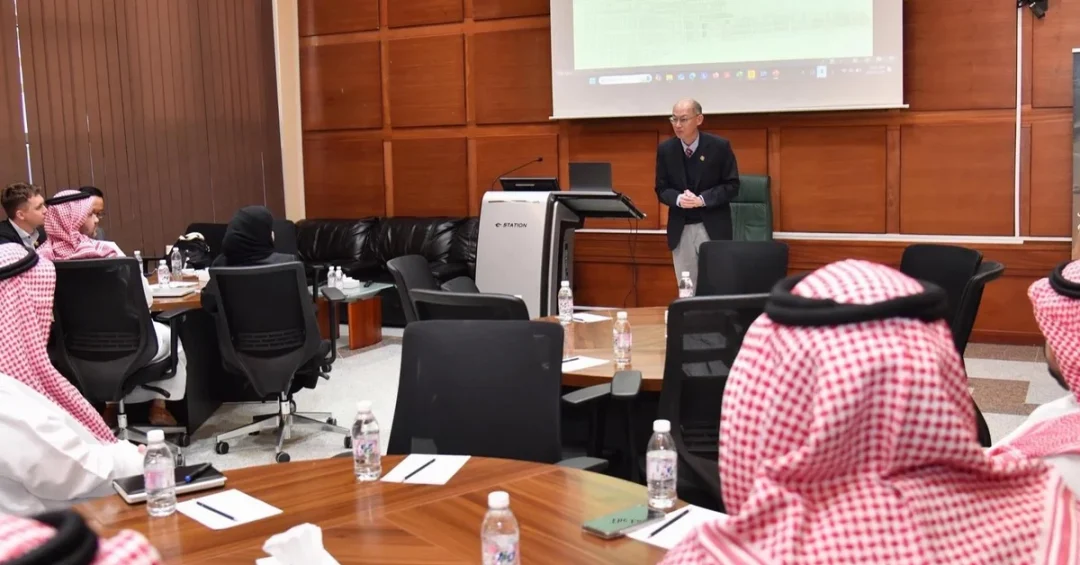
Umm Al-Qura University in Makkah has deepened its international academic partnerships through high-level meetings with The Education University of Hong Kong, focusing on scientific research, postgraduate programs, and professional training collaboration. The discussions, held at the university’s headquarters in Al-Abdiyah, were led by Professor Moaddi bin Muhammad Aal Madh-hab, President of Umm Al-Qura University, and Professor Lo Sing-kai, Associate Vice President (Internationalisation) at The Education University of Hong Kong. The meetings underscored Saudi Arabia’s commitment to advancing global academic cooperation in line with the Kingdom’s Vision 2030 objectives. What does this partnership signal about the future of Saudi higher education on the world stage?
The collaboration between these two prominent institutions reflects a broader strategic effort by the Kingdom to position its universities as hubs of research excellence and innovation. Umm Al-Qura University, one of Saudi Arabia’s oldest and most prestigious institutions, has increasingly sought international partnerships to enhance its academic offerings and research output. The engagement with The Education University of Hong Kong, a leading institution known for its expertise in teacher education and educational research, represents a significant step toward achieving these ambitions. The meetings also included separate discussions led by Professor Wardah Abdullah Al-Asmari, Vice President for Business Development and Community Partnership at Umm Al-Qura University, who met with a delegation from the Hong Kong institution to explore training and professional development opportunities.
Context and Background
Why has Umm Al-Qura University chosen to strengthen ties with an institution as far afield as Hong Kong? The answer lies in Saudi Arabia’s broader strategy to internationalize its higher education sector. Under Vision 2030, the Kingdom aims to diversify its economy, foster knowledge-based industries, and develop human capital capable of competing on a global scale. Universities are central to this vision, serving as incubators for research, innovation, and cross-cultural exchange. Umm Al-Qura University, with its rich history dating back to 1949, has embraced this mandate by forging partnerships with leading academic institutions worldwide.
The Education University of Hong Kong is renowned for its research in education, social sciences, and humanities. Its expertise aligns closely with Umm Al-Qura University’s goals of enhancing educational quality and research capacity. The collaboration encompasses scientific research, postgraduate programs, joint workshops, and shared lectures, providing a platform for faculty and students to engage in meaningful academic exchange. Such partnerships are not merely symbolic; they translate into tangible benefits, including access to cutting-edge research methodologies, international publication opportunities, and the development of curricula that meet global standards.
This collaboration also reflects Saudi Arabia’s growing emphasis on international diplomacy through education. By building bridges with academic institutions in Asia, the Kingdom strengthens its ties with key regional players and positions itself as a global leader in education and research. The meetings in Makkah are a testament to the proactive approach taken by Saudi universities to engage with the international community, fostering mutual understanding and shared progress.
Key Details
What specific areas of cooperation were discussed during these high-level meetings? The discussions between Professor Aal Madh-hab and Professor Lo Sing-kai centered on several key areas, including scientific research, postgraduate programs, joint workshops, and shared lectures. These initiatives are designed to facilitate the exchange of knowledge and expertise between the two institutions, enabling faculty and students to collaborate on research projects that address pressing global challenges.
In a related development, Professor Wardah Abdullah Al-Asmari met with a delegation from The Education University of Hong Kong to discuss training and professional development. This meeting was part of the cooperative framework between the two institutions, focusing on enhancing the skills of faculty members and researchers. As part of this collaboration, Umm Al-Qura University launched a training program for faculty members from The Education University of Hong Kong. The program covers a range of skills, including grant proposal writing, applications of artificial intelligence in education, publishing techniques for early-career researchers, publishing in international scientific journals, and research proposal planning.
These sessions are led by a group of research professors from The Education University of Hong Kong, ensuring that participants benefit from the expertise of seasoned academics. The training program is a practical example of how the partnership translates into capacity-building initiatives that benefit both institutions. By equipping faculty members with advanced skills, the program enhances their ability to conduct impactful research and contribute to the global academic community.
International and Regional Impact
How does this collaboration resonate beyond the two universities involved? The partnership between Umm Al-Qura University and The Education University of Hong Kong has significant implications for international academic cooperation. It demonstrates Saudi Arabia’s commitment to fostering global partnerships that drive innovation and knowledge exchange. By collaborating with a leading Asian institution, Umm Al-Qura University positions itself as a bridge between the Middle East and Asia, facilitating cross-cultural dialogue and mutual learning.
Regionally, this collaboration aligns with Saudi Arabia’s efforts to strengthen ties with Asian countries, which are key partners in trade, investment, and diplomacy. Educational partnerships serve as a soft power tool, enhancing the Kingdom’s image as a forward-looking nation that values education and research. The collaboration also contributes to the development of a knowledge-based economy in Saudi Arabia, as outlined in Vision 2030. By investing in human capital and fostering international collaborations, the Kingdom is laying the foundation for sustainable economic growth and global competitiveness.
Economic and Strategic Significance
What economic and strategic benefits can Saudi Arabia expect from this academic collaboration? The partnership is expected to yield several long-term benefits, including enhanced research output, improved educational quality, and increased international visibility for Saudi universities. By collaborating on research projects, the two institutions can attract funding from international sources, contributing to the Kingdom’s research and development ecosystem. Additionally, the exchange of expertise in areas such as artificial intelligence in education can drive innovation in Saudi Arabia’s education sector, aligning with the goals of Vision 2030.
Strategically, the collaboration reinforces Saudi Arabia’s position as a global hub for education and research. It signals to the international community that the Kingdom is open to partnerships and committed to excellence in higher education. This can attract more international students and researchers to Saudi universities, further enriching the academic environment and fostering cultural exchange. The training program for faculty members also contributes to the development of a skilled workforce, which is essential for the Kingdom’s economic diversification efforts.
Vision 2030 Alignment
How does this collaboration align with Saudi Arabia’s Vision 2030? Vision 2030 aims to transform Saudi Arabia into a diversified, knowledge-based economy, with education and research playing a pivotal role. The partnership between Umm Al-Qura University and The Education University of Hong Kong directly supports this vision by enhancing the quality of higher education, fostering innovation, and promoting international collaboration. It reflects the Kingdom’s commitment to investing in human capital and creating opportunities for its citizens to excel on the global stage.
As Saudi Arabia continues to expand its global partnerships, collaborations like this one will be instrumental in achieving the ambitious goals of Vision 2030. By leveraging international expertise and fostering cross-cultural exchange, the Kingdom is building a robust education ecosystem that prepares its youth for the challenges and opportunities of the future. The meetings in Makkah are not just a diplomatic success; they are a step toward a brighter, more interconnected future for Saudi Arabia and its partners. What more can be achieved when nations come together in the pursuit of knowledge?
20 Questions
Q1. What was the main purpose of the meeting between Umm Al-Qura University and The Education University of Hong Kong?
A1. The meeting aimed to discuss collaboration in scientific research, postgraduate programs, joint workshops, and shared lectures, strengthening academic ties between the two institutions.
Q2. Who represented Umm Al-Qura University in the discussions?
A2. Professor Moaddi bin Muhammad Aal Madh-hab, President of Umm Al-Qura University, led the discussions, alongside Professor Wardah Abdullah Al-Asmari, Vice President for Business Development and Community Partnership.
Q3. What role did Professor Lo Sing-kai play in the meetings?
A3. Professor Lo Sing-kai, Associate Vice President (Internationalisation) at The Education University of Hong Kong, represented his institution and discussed areas of mutual academic interest.
Q4. Where did the meetings take place?
A4. The meetings were held at Umm Al-Qura University’s headquarters in Al-Abdiyah, Makkah, Saudi Arabia.
Q5. What specific areas of collaboration were emphasized?
A5. The discussions focused on scientific research, postgraduate programs, joint workshops, shared lectures, and training and professional development for faculty members.
Q6. What training program was launched for Hong Kong faculty members?
A6. Umm Al-Qura University launched a training program covering grant proposal writing, AI applications in education, publishing techniques, publishing in international journals, and research proposal planning.
Q7. Who leads the training sessions for The Education University of Hong Kong faculty?
A7. A group of research professors from The Education University of Hong Kong leads the training sessions, sharing their expertise with participants.
Q8. How does this collaboration benefit Umm Al-Qura University?
A8. It enhances research capacity, provides access to international expertise, and fosters joint academic initiatives that elevate the university’s global standing.
Q9. What benefits does The Education University of Hong Kong gain from this partnership?
A9. The partnership offers opportunities for cross-cultural exchange, joint research, and capacity-building programs that enhance the institution’s global reach.
Q10. How does this collaboration align with Saudi Arabia’s Vision 2030?
A10. It supports Vision 2030 by promoting educational excellence, international collaboration, and human capital development, key pillars of the Kingdom’s transformation plan.
Q11. What is the significance of international academic partnerships for Saudi Arabia?
A11. They enhance the quality of higher education, foster innovation, and position Saudi universities as global hubs for research and knowledge exchange.
Q12. How does this partnership impact Saudi students and faculty?
A12. It provides opportunities for collaborative research, access to international networks, and professional development, enriching the academic experience for students and faculty alike.
Q13. What role does artificial intelligence play in the training program?
A13. The program includes sessions on AI applications in education, equipping faculty with skills to integrate technology into teaching and research effectively.
Q14. Why is publishing in international journals emphasized in the training?
A14. It enhances the visibility and impact of research, helping early-career researchers build their reputations and contribute to global knowledge.
Q15. How does this collaboration reflect Saudi Arabia’s broader diplomatic efforts?
A15. It strengthens ties with Asian nations, showcases the Kingdom’s commitment to education, and enhances its soft power and global engagement.
Q16. What are the expected outcomes of the joint workshops and lectures?
A16. They will facilitate knowledge exchange, foster collaborative research, and create opportunities for faculty and students to learn from each other’s expertise.
Q17. How does Umm Al-Qura University’s history influence its international partnerships?
A17. As one of Saudi Arabia’s oldest universities, it has a strong foundation for academic excellence, making it an attractive partner for international institutions.
Q18. What message does this collaboration send to the global academic community?
A18. It signals Saudi Arabia’s openness to international cooperation and its commitment to advancing education and research on a global scale.
Q19. How can other Saudi universities benefit from this partnership model?
A19. They can emulate the focus on research collaboration, faculty training, and international engagement to enhance their own academic offerings and global presence.
Q20. What future steps are planned for this collaboration?
A20. Future steps include implementing joint research projects, expanding training programs, and exploring additional areas of cooperation to deepen the partnership.
Reader Feedback
We value your thoughts. Please share your feedback on this article.
Your feedback helps us improve our coverage.