


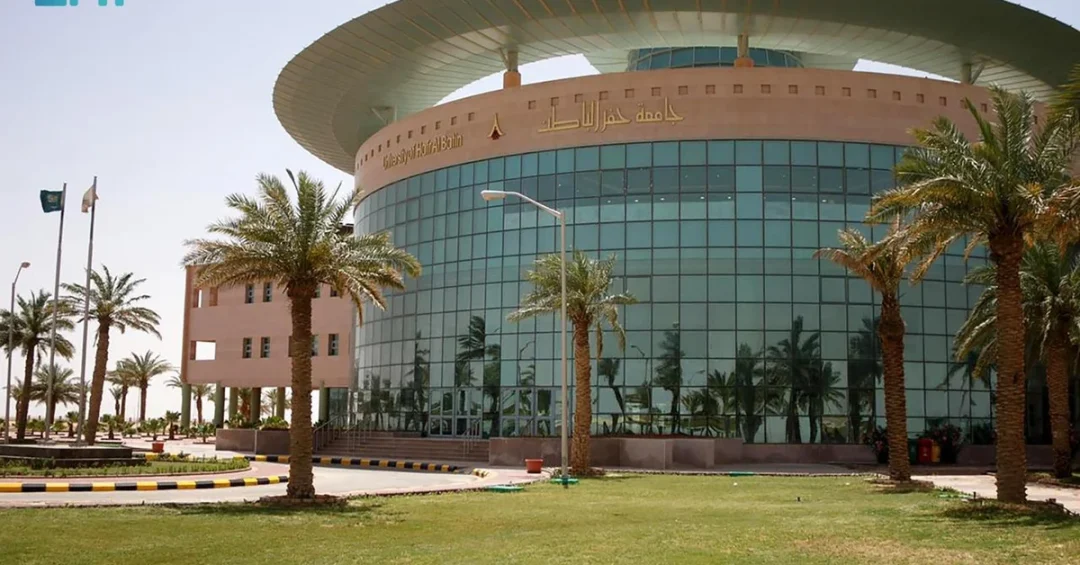
The University of Hafr Al Batin has been granted a six-year accreditation by the Engineering Accreditation Commission of the Accreditation Board for Engineering and Technology (ABET) for its mechanical, civil, and electrical engineering programs. The announcement, made on August 19, 2024, marks a significant milestone for the university’s College of Engineering and underscores its commitment to academic excellence and quality assurance in line with Saudi Arabia’s Vision 2030 goals.
Context and Background
The University of Hafr Al Batin, located in the Eastern Province of Saudi Arabia, has been steadily advancing its academic offerings since its establishment. The College of Engineering, in particular, has focused on providing high-quality education that meets international standards. ABET, a globally recognized accreditor of college and university programs in applied and natural science, computing, engineering, and engineering technology, grants accreditation following a comprehensive assessment conducted by teams of experienced scientists and experts. The assessment covers various aspects, including curriculum, faculty qualifications, student performance, and institutional support.
This accreditation is a testament to the university’s dedication to continuous improvement and its alignment with the Kingdom’s strategic vision to enhance higher education and produce skilled professionals capable of driving economic diversification.
Key Details
University President Prof. Khaled Alharbi expressed his pride in the achievement, stating that the accreditation underscores the university’s keenness to improve the quality of education. He praised the faculty for its efforts to meet the rigorous accreditation requirements. The six-year accreditation period, effective from 2024, signifies that the programs have met ABET’s stringent criteria and are expected to maintain these standards.
The accreditation applies to the mechanical, civil, and electrical engineering programs, which are critical fields for Saudi Arabia’s infrastructure development and technological advancement. Graduates from these programs will now hold degrees that are internationally recognized, enhancing their mobility and competitiveness in the global job market.
Implications and Impact
This accreditation has far-reaching implications for students, the university, and the Kingdom. Students can be assured that their education meets global benchmarks, making them more attractive to employers both within Saudi Arabia and abroad. For the university, it enhances its reputation and attracts top-tier students and faculty. Nationally, it supports the Kingdom’s efforts to build a knowledge-based economy by ensuring a steady supply of highly qualified engineers.
Furthermore, this achievement aligns with the objectives of Saudi Vision 2030, which emphasizes the development of human capital and the enhancement of education quality. By meeting international standards, the University of Hafr Al Batin contributes to the Kingdom’s goal of increasing the competitiveness of its workforce and fostering innovation.
Vision 2030 Alignment
The accreditation of these engineering programs is a clear reflection of Saudi Vision 2030’s focus on education and human capability development. It demonstrates the Kingdom’s commitment to providing world-class education that prepares students for the demands of the future economy. As Saudi Arabia continues to diversify its economy and invest in sectors such as technology, manufacturing, and renewable energy, the role of highly skilled engineers becomes increasingly vital. The University of Hafr Al Batin’s achievement not only elevates its standing but also contributes to the national narrative of progress and excellence. It is a step forward in realizing the vision of a prosperous and sustainable future for the Kingdom.
20 Questions
Q1. What accreditation did the University of Hafr Al Batin receive?
A1. The University of Hafr Al Batin received a six-year accreditation from the Engineering Accreditation Commission of ABET for its mechanical, civil, and electrical engineering programs.
Q2. When was the accreditation announced?
A2. The accreditation was announced on August 19, 2024, according to the Saudi Press Agency.
Q3. Which programs are accredited?
A3. The programs are mechanical engineering, civil engineering, and electrical engineering at the College of Engineering.
Q4. What is ABET?
A4. ABET is a leading international accreditation board for college and university programs in science, technology, engineering, and mathematics.
Q5. How long is the accreditation valid?
A5. The accreditation is valid for six years, starting from 2024.
Q6. Who is the president of the University of Hafr Al Batin?
A6. Prof. Khaled Alharbi is the president of the university.
Q7. What did Prof. Khaled Alharbi say about the accreditation?
A7. He said it underscores the university’s keenness to improve education quality and praised the faculty for their efforts.
Q8. What criteria does ABET evaluate?
A8. ABET evaluates curriculum, faculty qualifications, student performance, and institutional support.
Q9. Why is this accreditation important for students?
A9. It ensures their degrees meet global standards, enhancing their employability and opportunities for further study abroad.
Q10. How does this accreditation benefit the university?
A10. It enhances the university’s reputation, attracts top students and faculty, and demonstrates its commitment to quality education.
Q11. What is the significance for Saudi Arabia?
A11. It supports the Kingdom’s goal of building a knowledge-based economy by producing highly qualified engineers.
Q12. How does this align with Vision 2030?
A12. Vision 2030 emphasizes education and human capital development, and this accreditation reflects those priorities.
Q13. What fields are covered by the accredited programs?
A13. The programs cover mechanical, civil, and electrical engineering, which are vital for infrastructure and technology.
Q14. How does ABET conduct assessments?
A14. ABET conducts comprehensive assessments by teams of experienced scientists and experts.
Q15. What does the six-year accreditation period signify?
A15. It signifies that the programs have met ABET’s stringent criteria and are expected to maintain these standards.
Q16. Will this accreditation affect the curriculum?
A16. The curriculum already meets ABET standards; the accreditation validates its quality and may lead to continuous improvements.
Q17. Can graduates work internationally with this accreditation?
A17. Yes, ABET accreditation is recognized worldwide, allowing graduates to pursue careers and further education globally.
Q18. What is the role of the faculty in achieving accreditation?
A18. The faculty worked diligently to meet ABET’s requirements, ensuring the programs’ quality and compliance.
Q19. How does this impact the local community?
A19. It provides access to world-class engineering education, benefiting the local workforce and economy.
Q20. What message does this send about Saudi higher education?
A20. It demonstrates the Kingdom’s commitment to excellence and competitiveness in higher education, aligning with Vision 2030.
Reader Feedback
We value your thoughts. Please share your feedback on this article.
Your feedback helps us improve our coverage.