


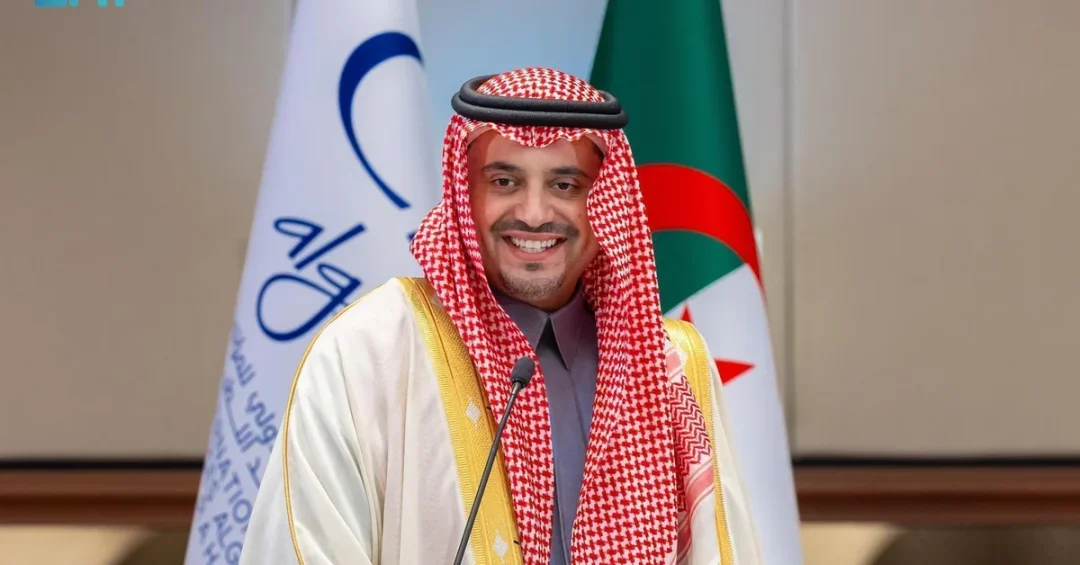
The General Assembly of the Association of National Olympic Committees of Africa (ANOCA) has officially recognized World Camelids Sport (WCS) during its meeting in Algiers, marking a significant step for the sport’s continental and global development. The decision reflects the growing importance of camel racing in Africa and its expanding role on the international sports scene. The meeting was attended by Prince Fahd bin Jalawi bin Abdulaziz bin Musaed, President of WCS and President of the International Camel Racing Federation, alongside ANOCA President Mustapha Berraf, and several presidents and representatives of national Olympic committees and the International Olympic Committee (IOC).
Context and Background
Camel racing has deep historical roots in the Arabian Peninsula and across North Africa, serving as a traditional sport that celebrates cultural heritage and athletic excellence. In recent years, Saudi Arabia has invested significantly in modernizing and promoting camel racing, transforming it into a professional sport with international competitions. The recognition by ANOCA, the umbrella organization for National Olympic Committees in Africa, underscores the sport’s rising profile and its potential to unite communities across continents. This move follows years of efforts by the Kingdom to elevate camel racing, including the establishment of the World Camelids Sport (WCS) to oversee its global development.
Key Details
During the ANOCA General Assembly, Prince Fahd emphasized the importance of global recognition in fostering the growth of camel racing at both continental and international levels. He highlighted Saudi Arabia’s ongoing efforts to support and showcase the sport to the world. The meeting brought together key figures from the Olympic movement, including representatives from the International Olympic Committee, signaling a broader acceptance of camel racing within the global sports community. The recognition by ANOCA not only validates the sport’s competitive integrity but also opens doors for increased participation from African nations, where camel racing is already practiced in countries such as Egypt, Sudan, and Kenya.
Implications and Impact
The ANOCA recognition is expected to boost the sport’s visibility and attract investment, infrastructure development, and talent development across Africa and beyond. It paves the way for camel racing to be included in regional multi-sport events and potentially future Olympic programs. For Saudi Arabia, this achievement reinforces its role as a global leader in promoting traditional sports and cultural exchange. It also strengthens ties with African nations, fostering sports diplomacy and collaboration under the umbrella of the Olympic movement. The move aligns with the Kingdom’s Vision 2030 goals of diversifying the economy, enhancing international partnerships, and promoting cultural heritage on a global stage.
Vision 2030 Alignment
Saudi Arabia’s Vision 2030 emphasizes the development of sports as a key pillar for economic diversification, social progress, and global engagement. The recognition of World Camelids Sport by ANOCA is a testament to the Kingdom’s successful efforts to modernize and globalize traditional sports. By leading this initiative, Saudi Arabia not only preserves its cultural legacy but also positions itself as a hub for international sports events and a catalyst for cross-continental cooperation. This achievement underscores the Kingdom’s commitment to fostering a vibrant sports sector that contributes to a diversified economy and promotes the nation’s rich heritage worldwide.
20 Questions
Q1. What did the ANOCA General Assembly recognize?
A1. The ANOCA General Assembly officially recognized World Camelids Sport (WCS) during its meeting in Algiers, marking a significant step for the sport’s continental and global development.
Q2. Who represented WCS at the ANOCA meeting?
A2. Prince Fahd bin Jalawi bin Abdulaziz bin Musaed, President of WCS and President of the International Camel Racing Federation, represented WCS at the meeting.
Q3. Where did the ANOCA General Assembly take place?
A3. The ANOCA General Assembly took place in Algiers, the capital of Algeria, bringing together sports leaders from across Africa and beyond.
Q4. Why is this recognition important for camel racing?
A4. This recognition boosts camel racing’s visibility, attracts investment, and paves the way for inclusion in regional and international sporting events, enhancing its global profile.
Q5. Who is Prince Fahd bin Jalawi bin Abdulaziz bin Musaed?
A5. Prince Fahd bin Jalawi bin Abdulaziz bin Musaed is the President of World Camelids Sport and the President of the International Camel Racing Federation.
Q6. What role did Saudi Arabia play in this recognition?
A6. Saudi Arabia has invested significantly in modernizing camel racing and promoting it globally, leading to the establishment of WCS and its recent recognition.
Q7. How does this recognition benefit African nations?
A7. It opens opportunities for African nations to develop camel racing, participate in international competitions, and benefit from increased investment and collaboration.
Q8. What is ANOCA?
A8. ANOCA is the Association of National Olympic Committees of Africa, the umbrella organization for National Olympic Committees in Africa.
Q9. Who else attended the ANOCA meeting?
A9. ANOCA President Mustapha Berraf, several presidents and representatives of national Olympic committees, and International Olympic Committee (IOC) representatives attended.
Q10. What did Prince Fahd emphasize during the meeting?
A10. Prince Fahd emphasized the significance of global recognition in promoting camel racing and highlighted Saudi Arabia’s efforts to support and present the sport globally.
Q11. How does this recognition align with Saudi Vision 2030?
A11. It aligns with Vision 2030 by promoting sports as a pillar for economic diversification, global engagement, and cultural heritage preservation.
Q12. What is World Camelids Sport (WCS)?
A12. WCS is an organization dedicated to the global development and promotion of camel racing and related sports, established with Saudi support.
Q13. Which countries in Africa practice camel racing?
A13. Countries such as Egypt, Sudan, and Kenya have established camel racing traditions, and the sport is growing in other African nations.
Q14. What are the next steps after this recognition?
A14. Next steps include integrating camel racing into regional multi-sport events, attracting investment, and potentially seeking inclusion in future Olympic programs.
Q15. How does this recognition impact international sports diplomacy?
A15. It strengthens ties between Saudi Arabia and African nations, fostering sports diplomacy and collaboration under the Olympic movement.
Q16. What is the International Camel Racing Federation?
A16. The International Camel Racing Federation is the global governing body for camel racing, headed by Prince Fahd bin Jalawi bin Abdulaziz bin Musaed.
Q17. When did the ANOCA General Assembly meeting occur?
A17. The ANOCA General Assembly meeting occurred on March 16, 2025, in Algiers, as reported by the Saudi Press Agency.
Q18. What economic benefits could arise from this recognition?
A18. It could boost tourism, create jobs, attract sponsorships, and stimulate infrastructure development related to camel racing in Africa and Saudi Arabia.
Q19. How does this reflect on Saudi Arabia’s global sports leadership?
A19. It reinforces Saudi Arabia’s role as a leader in promoting traditional sports and cultural exchange, enhancing its global sports influence.
Q20. What is the significance of IOC involvement in the meeting?
A20. IOC involvement signals broader acceptance of camel racing within the global sports community, potentially leading to future Olympic recognition.
Reader Feedback
We value your thoughts. Please share your feedback on this article.
Your feedback helps us improve our coverage.
Related articles
 SOPC Vice President Attends ANOCA General Meetings
 Sports Investment Forum 2025: Boosting Saudi Sports Growth
 Newcastle Wins Carabao Cup 2025, Beats Liverpool 2-1
 SAFF Launches FIFA/CIES Sports Management Programme in Saudi Arabia
 Saudi National Football Team Prepares for World Cup Asian Qualifiers
 Prince Fahd bin Jalawi Attends 144th IOC Session Opening