


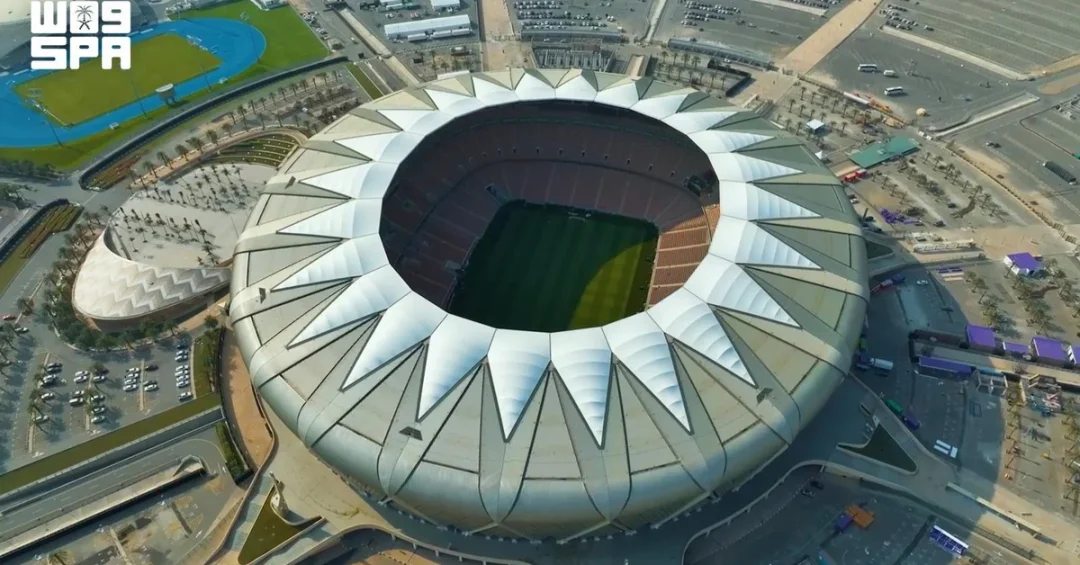
Jeddah will host the 27th Arabian Gulf Cup from September 23 to October 6, 2026, marking the first time the historic tournament will be staged in the coastal city. The event, announced by the Saudi Press Agency (SPA), will feature eight Gulf national teams competing across two modern venues: King Abdullah Sports City and Prince Abdullah Al-Faisal Sports City. This milestone underscores Jeddah’s emergence as a premier destination for regional and international football, building on a rich sporting legacy that dates back more than seven decades.
Context and Background
Football has long been woven into Jeddah’s social fabric, with neighborhood pitches serving as foundational training grounds for generations of local and national talent. The city’s institutional sporting history began in 1950 with the opening of Al-Sabban Stadium in Al-Qurayyat district. As the Kingdom’s first official sports venue, the 12,000-capacity facility hosted the inaugural King’s Cup final and successive title matches. In 1973, it drew massive crowds when it hosted Brazilian club Santos, led by global football icon Pelé, for an exhibition training session.
Jeddah’s sports infrastructure expanded further in 1970 with the opening of the Jeddah Youth Welfare Stadium in Al-Waziriyah, accommodating roughly 22,000 spectators. Renamed Prince Abdullah Al-Faisal Stadium in 2001, the venue underwent extensive modernization beginning in 2012, reopening in 2021 as a 27,000-seat stadium within the integrated Prince Abdullah Al-Faisal Sports City. In 2014, the opening of King Abdullah Sports City, featuring a stadium exceeding 62,000 seats, further reinforced Jeddah’s capability to stage elite global and continental tournaments.
Key Details
The 27th Arabian Gulf Cup will run from September 23 to October 6, 2026, bringing together eight Gulf national teams. Matches will be held at both King Abdullah Sports City and Prince Abdullah Al-Faisal Sports City, continuing Jeddah’s tradition of drawing record crowds and hosting premier regional competitions. This edition marks the first time the tournament will be held in Jeddah, reflecting the Kingdom’s growing role as a hub for major sporting events.
Implications and Impact
Hosting the Arabian Gulf Cup is expected to deliver significant economic and cultural benefits to Jeddah and the wider region. The tournament will attract thousands of visitors, boost local businesses, and showcase Saudi Arabia’s world-class sports infrastructure. It also reinforces the Kingdom’s commitment to fostering regional unity and cooperation through sport, aligning with the broader goals of Saudi Vision 2030 to enhance quality of life and promote international engagement.
Vision 2030 Alignment
This milestone event directly supports Saudi Vision 2030 by positioning the Kingdom as a global sports destination, stimulating economic growth, and inspiring youth participation in athletics. As Jeddah welcomes the Gulf’s finest teams, it demonstrates the transformative power of sport to unite communities and drive sustainable development, further solidifying Saudi Arabia’s leadership in the regional and international sporting arena.
20 Questions
Q1. What is the Arabian Gulf Cup?
A1. The Arabian Gulf Cup is a biennial football tournament featuring national teams from the Gulf region. It is one of the oldest and most prestigious regional competitions, celebrating sporting excellence and fostering camaraderie among Gulf nations.
Q2. When will the 27th Arabian Gulf Cup take place?
A2. The 27th Arabian Gulf Cup is scheduled from September 23 to October 6, 2026. This timing allows for optimal weather conditions and maximum participation from Gulf national teams.
Q3. Which city is hosting the tournament?
A3. Jeddah, the vibrant coastal city of Saudi Arabia, is hosting the tournament. It marks the first time the event is held in Jeddah, highlighting the city’s growing status as a sports hub.
Q4. How many teams will participate?
A4. Eight Gulf national teams will compete in the tournament. This includes teams from across the region, ensuring a high level of competition and excitement for fans.
Q5. What stadiums will host the matches?
A5. Matches will be played at King Abdullah Sports City and Prince Abdullah Al-Faisal Sports City. Both venues are equipped with modern facilities and have a rich history of hosting major events.
Q6. What is the capacity of King Abdullah Sports City?
A6. King Abdullah Sports City features a stadium with over 62,000 seats. It is one of the largest and most advanced sports venues in the region.
Q7. What is the capacity of Prince Abdullah Al-Faisal Sports City?
A7. Prince Abdullah Al-Faisal Sports City includes a 27,000-seat stadium. It was modernized and reopened in 2021 as part of an integrated sports complex.
Q8. When did Jeddah’s sporting history begin?
A8. Jeddah’s institutional sporting history began in 1950 with the opening of Al-Sabban Stadium. It was the Kingdom’s first official sports venue and hosted the inaugural King’s Cup final.
Q9. What was Al-Sabban Stadium’s capacity?
A9. Al-Sabban Stadium had a capacity of 12,000 spectators. It was a pioneering facility that hosted numerous historic matches and events.
Q10. Which global football icon visited Jeddah in 1973?
A10. Pelé, the legendary Brazilian footballer, visited Jeddah in 1973 with his club Santos. He participated in an exhibition training session that drew massive crowds.
Q11. When was the Jeddah Youth Welfare Stadium opened?
A11. The Jeddah Youth Welfare Stadium opened in 1970 in Al-Waziriyah. It accommodated roughly 22,000 spectators and was later renamed Prince Abdullah Al-Faisal Stadium.
Q12. When was Prince Abdullah Al-Faisal Stadium renamed?
A12. The stadium was renamed in 2001. It underwent extensive modernization starting in 2012 and reopened in 2021.
Q13. What improvements were made to Prince Abdullah Al-Faisal Stadium?
A13. The stadium was modernized with upgraded facilities and became part of an integrated sports city. It now seats 27,000 spectators and meets international standards.
Q14. When did King Abdullah Sports City open?
A14. King Abdullah Sports City opened in 2014. It features a stadium with over 62,000 seats and has since hosted numerous elite tournaments.
Q15. What benefits will the tournament bring to Jeddah?
A15. The tournament will boost local businesses, attract tourism, and showcase Saudi Arabia’s sports infrastructure. It also promotes regional unity and cultural exchange.
Q16. How does hosting the Cup align with Vision 2030?
A16. It supports Vision 2030 by enhancing quality of life, promoting sports, and positioning Saudi Arabia as a global destination for major events.
Q17. What is the significance of Jeddah hosting for the first time?
A17. It highlights Jeddah’s growing role as a premier sports city and demonstrates the Kingdom’s capability to organize top-tier regional tournaments.
Q18. How many matches will be played?
A18. The exact number of matches will depend on the tournament format, but typically the Arabian Gulf Cup features a group stage followed by knockout rounds.
Q19. Will fans from other Gulf countries be able to attend?
A19. Yes, fans from across the Gulf and beyond are expected to attend. Saudi Arabia welcomes visitors and has streamlined entry procedures for major events.
Q20. What legacy will the tournament leave for Jeddah?
A20. The tournament will leave a lasting legacy of enhanced sports infrastructure, increased tourism, and strengthened regional ties, inspiring future generations of athletes.
Reader Feedback
We value your thoughts. Please share your feedback on this article.
Your feedback helps us improve our coverage.