


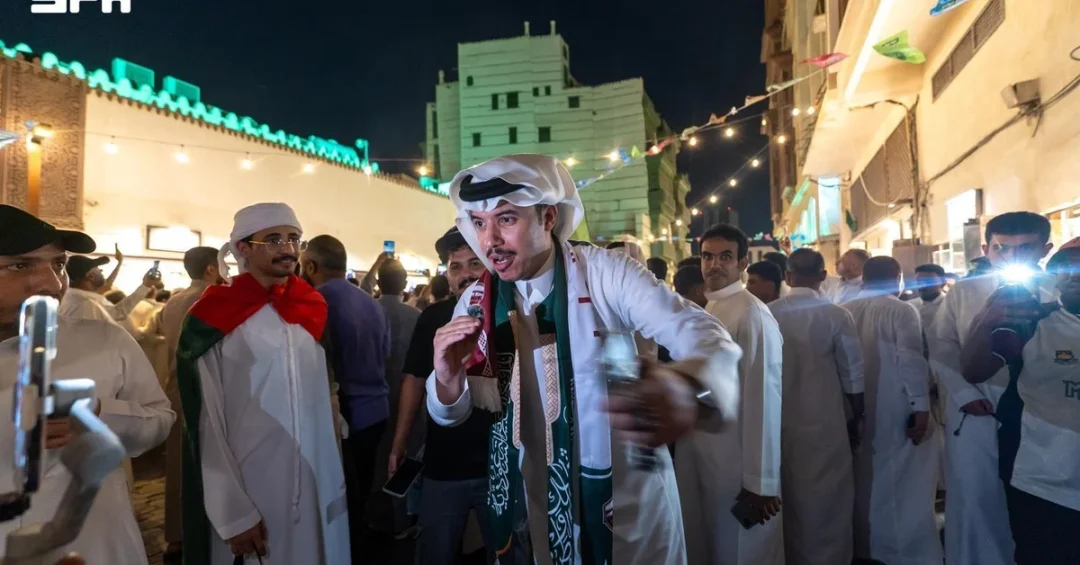
Fans of teams competing in the Arabian Gulf Cup, known as Khaleeji 27, gathered in Historic Jeddah near Beit Nassif to rally behind their squads, blending football enthusiasm with the district’s rich cultural ambiance, according to the Saudi Press Agency. The gathering, held on the evening of September 26, 2026, saw supporters from participating Gulf nations clad in national jerseys and waving flags, chanting and cheering as they took the tournament’s vibrant spirit beyond the stadium walls. The event underscored Jeddah’s growing role as a host city capable of integrating top-tier sport with deep cultural heritage, a hallmark of the Kingdom’s broader tourism and events strategy.
The scene near Beit Nassif, one of Historic Jeddah’s most iconic heritage houses, offered visitors and residents alike a chance to explore the district’s distinctive coral-stone buildings, narrow alleyways, and architectural landmarks. For many visiting fans, the evening was more than a football rally; it was an introduction to the UNESCO World Heritage-listed Al-Balad district, where centuries of Red Sea trade history meet contemporary Saudi hospitality. The gathering forms part of an array of cultural and tourism activities accompanying Khaleeji 27 across Jeddah, designed to offer visiting Gulf fans an integrated experience that combines sporting action with exploring the host city.
Context and Background
Why has a football tournament become such a powerful vehicle for cultural exchange in Saudi Arabia? The Arabian Gulf Cup, or Khaleeji, is one of the region’s oldest and most beloved football competitions, bringing together national teams from across the Gulf Cooperation Council. The 27th edition, hosted in Jeddah, represents a significant moment for the Kingdom as it continues to position itself as a global hub for sports and entertainment. The tournament’s presence in Jeddah aligns with a broader national strategy to attract international events, boost tourism, and showcase Saudi Arabia’s modern infrastructure alongside its historical treasures.
Historic Jeddah, also known as Al-Balad, was inscribed as a UNESCO World Heritage Site in 2014, recognized for its outstanding universal value as a testament to the Red Sea’s role in trade and cultural exchange. Beit Nassif, a restored 19th-century merchant’s house, stands as a symbol of the district’s revival under Vision 2030. The choice of this location for fan gatherings is deliberate: it invites visitors to experience Saudi heritage firsthand while enjoying the excitement of a major sporting event. The Saudi Press Agency reported that the gathering gave visitors the chance to explore the area’s heritage buildings, narrow alleyways, and architectural landmarks, reinforcing the seamless blend of sport and culture that defines the Kingdom’s approach to hosting.
The event also reflects the Kingdom’s commitment to regional unity and hospitality. By welcoming fans from across the Gulf, Saudi Arabia reinforces its role as a bridge between nations, using sport as a common language. The Khaleeji 27 tournament is not merely a competition; it is a celebration of shared Gulf identity, and Jeddah’s historic district provides the perfect backdrop for that narrative. The presence of diverse fan groups in Al-Balad signals the success of the Kingdom’s efforts to create inclusive, family-friendly environments where sport and culture coexist harmoniously.
Key Details
What exactly did the gathering near Beit Nassif look like? According to the Saudi Press Agency, supporters from participating nations wore their national jerseys and waved flags, filling the area with chants and cheers that echoed through the historic alleyways. The atmosphere was festive and peaceful, with fans taking photos, sampling local cuisine, and interacting with residents and other visitors. The event was not confined to a single team; it was a collective expression of Gulf football culture, with fans of different nationalities mingling in a spirit of friendly rivalry.
The timing of the gathering, in the evening, allowed visitors to experience Al-Balad at its most atmospheric, when the ancient buildings are illuminated and the streets come alive with activity. The Saudi Press Agency noted that the event is part of an array of cultural and tourism activities accompanying Khaleeji 27 across Jeddah. These activities include guided heritage tours, traditional performances, and culinary experiences, all designed to enrich the visitor journey. For fans who traveled to Jeddah specifically for the tournament, the opportunity to explore Historic Jeddah adds significant value to their trip, transforming a sports pilgrimage into a broader cultural discovery.
Beit Nassif itself is a key attraction. The house, which belonged to a prominent merchant family, has been meticulously restored and now serves as a cultural venue. Its presence at the heart of the fan gathering highlights the synergy between Saudi Arabia’s preservation efforts and its modern event-hosting ambitions. Visitors can wander through the narrow lanes of Al-Balad, admire the intricate wooden latticework known as rawashin, and gain insight into the region’s maritime history. The integration of these experiences with the football tournament demonstrates a sophisticated approach to tourism that leverages both tangible and intangible heritage.
International and Regional Impact
How does a regional football tournament in Jeddah resonate beyond the Gulf? The Khaleeji 27 tournament attracts attention from across the Arab world and beyond, with media coverage and fan engagement extending to international audiences. By hosting the event and complementing it with cultural programming, Saudi Arabia projects an image of a nation that is both modern and rooted in tradition. This dual identity is central to the Kingdom’s public diplomacy, appealing to travelers, investors, and partners who value authenticity alongside world-class infrastructure.
For the Gulf region, the tournament reinforces bonds of brotherhood and cooperation. Fans from different countries gathering in a historic Saudi district symbolize the shared heritage and mutual respect that underpin the Gulf Cooperation Council. The event also provides an economic boost to Jeddah, with increased demand for hotels, restaurants, and retail services. Beyond the immediate economic impact, the tournament enhances Saudi Arabia’s reputation as a reliable and enthusiastic host of major events, paving the way for future bids for even larger competitions.
From a global perspective, the fan gathering in Historic Jeddah is a microcosm of Saudi Arabia’s tourism ambitions. International visitors who see images of enthusiastic fans against the backdrop of UNESCO-listed architecture may be inspired to consider the Kingdom as a travel destination. The event aligns with the National Tourism Strategy, which aims to attract 150 million visits annually by 2030. By showcasing the seamless integration of sport, culture, and hospitality, Saudi Arabia strengthens its position in the competitive global tourism market.
Economic and Strategic Significance
What economic benefits flow from hosting Khaleeji 27 and related cultural activities? The tournament stimulates local businesses, from hotels and transport providers to artisans and food vendors in Historic Jeddah. The influx of fans and media personnel creates temporary employment and generates revenue that supports the local economy. Moreover, the event serves as a platform to promote Jeddah as a year-round destination, encouraging repeat visits and longer stays. The Saudi Press Agency’s coverage of the fan gathering contributes to this promotional effort by highlighting the city’s unique offerings.
Strategically, the tournament supports the Kingdom’s goal of diversifying its economy away from oil dependence. Sports and tourism are key pillars of Vision 2030, and events like Khaleeji 27 demonstrate their potential to drive growth. The investment in infrastructure, including stadiums, transportation, and heritage restoration, creates lasting assets that benefit residents and visitors alike. The fan gathering near Beit Nassif also underscores the value of cultural heritage as an economic asset, attracting visitors who seek authentic experiences. By weaving together sport and heritage, Saudi Arabia maximizes the return on its investments and builds a more resilient economy.
Vision 2030 Alignment
How does this event embody the objectives of Saudi Vision 2030? Vision 2030 seeks to transform the Kingdom into a global destination, enhance the quality of life for citizens and residents, and foster international engagement. The Khaleeji 27 tournament and its accompanying cultural activities directly contribute to these goals by showcasing Saudi Arabia’s capabilities, promoting cultural exchange, and generating economic opportunities. The gathering in Historic Jeddah is a tangible example of how Vision 2030 is being implemented on the ground, turning strategic aspirations into memorable experiences for visitors and locals.
Furthermore, the event highlights the Kingdom’s commitment to preserving and promoting its heritage, a core element of Vision 2030’s cultural objectives. The restoration of Al-Balad and the activation of its public spaces reflect a deep respect for the past combined with a forward-looking vision. As fans from across the Gulf celebrate their teams in the shadow of Beit Nassif, they become part of a larger story: Saudi Arabia’s journey toward a vibrant, diversified, and globally connected future. The success of such gatherings reinforces the Kingdom’s role as a leader in the region and a welcoming host to the world.
20 Questions
Q1. What is the Arabian Gulf Cup (Khaleeji 27)?
A1. The Arabian Gulf Cup is a regional football tournament for national teams from the Gulf Cooperation Council. The 27th edition, Khaleeji 27, is being hosted in Jeddah, Saudi Arabia, featuring teams from across the Gulf.
Q2. Where did the fans gather in Jeddah?
A2. Fans gathered near Beit Nassif in Historic Jeddah, also known as Al-Balad, a UNESCO World Heritage Site. The location was chosen to blend football enthusiasm with the district’s rich cultural ambiance.
Q3. When did the gathering take place?
A3. The gathering took place on the evening of September 26, 2026, according to the Saudi Press Agency. The timing allowed visitors to enjoy the historic district’s illuminated streets and lively atmosphere.
Q4. What activities did the fans engage in?
A4. Fans wore national jerseys, waved flags, chanted, and cheered for their teams. They also explored Historic Jeddah’s heritage buildings, narrow alleyways, and architectural landmarks, creating a festive and peaceful atmosphere.
Q5. Why is Historic Jeddah significant?
A5. Historic Jeddah, or Al-Balad, is a UNESCO World Heritage Site recognized for its coral-stone buildings and role in Red Sea trade. It represents the Kingdom’s commitment to preserving cultural heritage under Vision 2030.
Q6. What is Beit Nassif?
A6. Beit Nassif is a restored 19th-century merchant’s house in Historic Jeddah. It serves as a cultural venue and symbolizes the district’s revival, often hosting events that showcase Saudi heritage and hospitality.
Q7. How does the event support Saudi tourism?
A7. The event offers visiting fans an integrated experience combining sport and cultural exploration. It promotes Jeddah as a destination, aligning with the National Tourism Strategy’s goal to attract 150 million visits annually by 2030.
Q8. What does the Saudi Press Agency report about the gathering?
A8. The Saudi Press Agency reported that fans from participating nations gathered near Beit Nassif to rally behind their squads, blending football enthusiasm with the district’s cultural ambiance and exploring its heritage.
Q9. How does the tournament strengthen Gulf relations?
A9. The tournament brings together fans from different Gulf nations, fostering brotherhood and cooperation. The shared celebration of football reinforces the cultural and historical ties among GCC countries.
Q10. What economic benefits does Khaleeji 27 bring to Jeddah?
A10. The tournament boosts local businesses such as hotels, restaurants, and retail. It creates employment opportunities and generates revenue, supporting Jeddah’s economy and showcasing its capacity to host major events.
Q11. How does the event align with Vision 2030?
A11. It supports Vision 2030 by promoting tourism, cultural exchange, and economic diversification. The gathering demonstrates the Kingdom’s ability to integrate sport with heritage, enhancing quality of life and global engagement.
Q12. What other cultural activities accompany Khaleeji 27?
A12. An array of cultural and tourism activities accompany the tournament across Jeddah, including heritage tours, traditional performances, and culinary experiences, offering fans a comprehensive introduction to the host city.
Q13. Who can attend these cultural activities?
A13. The activities are open to visiting fans, residents, and international tourists. They are designed to be family-friendly and accessible, reflecting Saudi Arabia’s welcoming hospitality and inclusive event strategy.
Q14. How does the gathering reflect Saudi hospitality?
A14. By welcoming fans from across the Gulf and providing a safe, festive environment, Saudi Arabia showcases its traditional hospitality. The event exemplifies the Kingdom’s commitment to hosting guests with warmth and respect.
Q15. What is the significance of the fan gathering’s location?
A15. Hosting the gathering in Historic Jeddah highlights the seamless blend of sport and culture. It encourages visitors to explore the Kingdom’s heritage, adding depth to their tournament experience and promoting cultural tourism.
Q16. How does the event promote Saudi Arabia internationally?
A16. International media coverage of the vibrant fan gathering projects a positive image of Saudi Arabia as a modern, culturally rich, and hospitable nation, attracting global attention and potential future visitors.
Q17. What role does the Saudi Press Agency play?
A17. The Saudi Press Agency is the official news agency of the Kingdom, providing accurate and timely information about national events. Its coverage of the fan gathering ensures reliable reporting for domestic and international audiences.
Q18. Are there any security concerns at such gatherings?
A18. Saudi authorities are experienced in managing large-scale events safely. The gathering near Beit Nassif proceeded peacefully, with fans enjoying the festivities under the supervision of trained personnel.
Q19. How can international visitors learn more about Historic Jeddah?
A19. Visitors can explore Historic Jeddah through guided tours, cultural centers, and official tourism platforms. The Saudi Tourism Authority provides resources to help travelers discover Al-Balad’s heritage and attractions.
Q20. What is the long-term impact of hosting Khaleeji 27?
A20. Hosting Khaleeji 27 enhances Saudi Arabia’s reputation as a premier event destination, stimulates economic growth, and strengthens regional ties. It supports Vision 2030 goals for tourism, culture, and global engagement.
Reader Feedback
We value your thoughts. Please share your feedback on this article.
Your feedback helps us improve our coverage.
Related articles
 Khaleeji 27 Final Set for October 6 in Jeddah
 Saudi Arabia vs Oman: Green Falcons Eye Khaleeji 27 Semifinal
 Iraq vs Kuwait: Pivotal Gulf Cup Clash in Jeddah
 Saudi Sports Facilities Advance Under Vision 2030
 Formula E Unveils New Identity Ahead of Jeddah Season Launch
 Taif Racing Season Finale: 12 Cups, SAR6.2 Million