


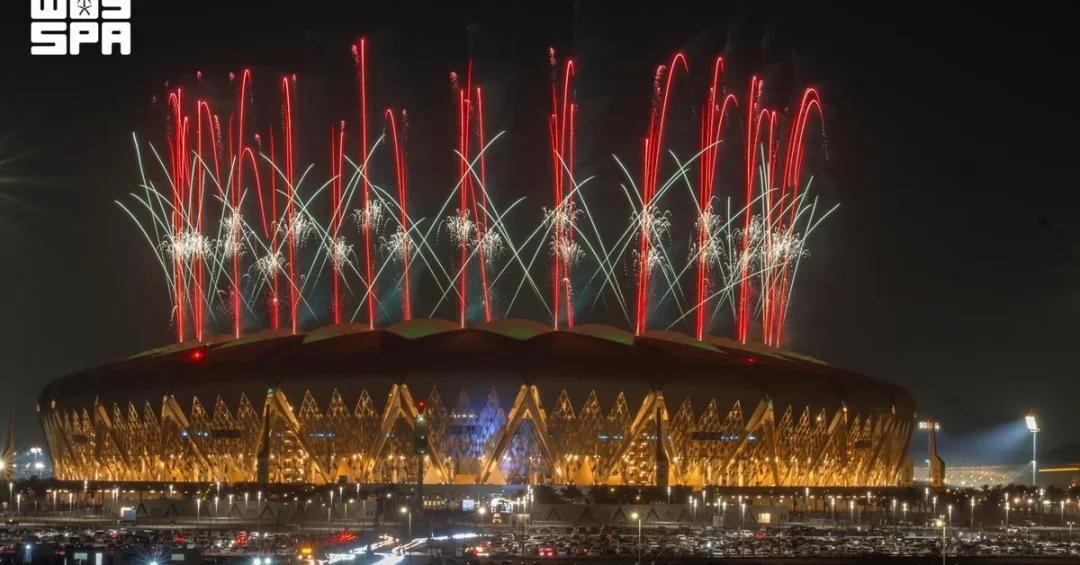
Jeddah, October 07, 2026 — The 27th Arabian Gulf Cup transformed Jeddah into a vibrant tourism carnival for 14 days, extending far beyond the football pitch at King Abdullah Sports City and Prince Abdullah Al-Faisal Sports City. According to the Saudi Press Agency (SPA), the tournament showcased Jeddah’s capacity to host major international events while immersing visitors in the city’s rich culture, entertainment, and hospitality.
Context and Background
The 27th Arabian Gulf Cup, a premier regional football tournament, brought together national teams from across the Gulf and beyond. Jeddah, already a key gateway to the Kingdom, leveraged its modern infrastructure and strategic location to deliver an unforgettable experience for players, officials, and fans alike. The event highlighted Saudi Arabia’s growing role as a global hub for sports and tourism, aligning with the nation’s Vision 2030 goals to diversify the economy and promote cultural exchange.
Historic Jeddah, a UNESCO World Heritage site, provided a picturesque backdrop for the tournament, with its ancient lanes and traditional architecture offering visitors a glimpse into the Kingdom’s rich heritage. The integration of sport and culture underscored Jeddah’s unique identity as a city where tradition meets modernity.
Key Details
The tournament’s impact was felt across the city. ROSHN Waterfront, a leading waterfront destination, hosted celebrations with the Saudi national team, the Green Falcons, allowing players to share their victory with fans along the Red Sea coast. This gesture epitomized the inclusive spirit of the event, fostering a sense of community and national pride.
Visitors also explored Historic Jeddah, where they interacted with residents and experienced the city’s vibrant arts and social scene. The water taxi service offered a novel way to experience Jeddah, combining smart transportation with scenic views of the Red Sea and the city’s landmarks. These initiatives reflect Jeddah’s commitment to innovation and tourism development.
Implications and Impact
The successful hosting of the Arabian Gulf Cup has reinforced Jeddah’s reputation as a global destination capable of managing large-scale events. The city’s modern infrastructure, including the Haramain High Speed Railway connecting Jeddah with Makkah and Madinah, facilitated seamless travel for pilgrims and tourists. This connectivity not only boosted tourism but also strengthened regional ties.
Economically, the tournament generated significant activity in hospitality, retail, and transportation sectors, providing a boost to local businesses. Socially, it promoted cultural exchange and showcased Saudi hospitality, leaving a lasting positive impression on international visitors. The event also served as a rehearsal for future mega-events, including the 2034 FIFA World Cup, which Saudi Arabia is set to host.
Vision 2030 Alignment
The 27th Arabian Gulf Cup exemplifies Saudi Arabia’s Vision 2030 objectives by positioning the Kingdom as a premier tourism and entertainment destination. By hosting such events, Saudi Arabia demonstrates its capability to attract global audiences, foster cultural understanding, and drive economic growth. Jeddah’s success story is a testament to the Kingdom’s unwavering commitment to excellence and its welcoming spirit, further solidifying its place on the world stage.
20 Questions
Q1. What was the 27th Arabian Gulf Cup?
A1. The 27th Arabian Gulf Cup was a regional football tournament held in Jeddah, featuring national teams from the Gulf and beyond, and served as a platform to showcase Saudi Arabia’s hospitality and organizational prowess.
Q2. How long did the tournament last?
A2. The tournament spanned 14 days, during which Jeddah transformed into a vibrant tourism carnival, offering entertainment and cultural experiences beyond the matches.
Q3. Where were the matches held?
A3. Matches took place at King Abdullah Sports City and Prince Abdullah Al-Faisal Sports City, two world-class venues in Jeddah equipped with modern facilities.
Q4. Who won the tournament?
A4. The Saudi national team, known as the Green Falcons, won the tournament, lifting the trophy amid celebrations with fans across the city.
Q5. What role did ROSHN Waterfront play?
A5. ROSHN Waterfront hosted celebrations with the Saudi team, allowing players to share their victory with fans along the waterfront, creating memorable moments.
Q6. How did Historic Jeddah contribute to the event?
A6. Historic Jeddah, a UNESCO World Heritage site, offered visitors a glimpse into the Kingdom’s heritage, with its ancient lanes hosting cultural and social activities during the tournament.
Q7. What is the significance of the water taxi?
A7. The water taxi provided a unique way to experience Jeddah, combining smart transportation with scenic views of the Red Sea and the city’s landmarks, enhancing the visitor experience.
Q8. How did the tournament impact Jeddah’s tourism?
A8. The tournament boosted tourism by attracting visitors who explored the city’s attractions, stayed in hotels, and engaged with local culture, generating economic benefits.
Q9. What infrastructure supported the event?
A9. Jeddah’s modern infrastructure, including the Haramain High Speed Railway connecting to Makkah and Madinah, facilitated seamless travel and enhanced the overall experience for attendees.
Q10. How does the event align with Vision 2030?
A10. The event aligns with Vision 2030 by promoting tourism, showcasing Saudi capabilities, and diversifying the economy, reinforcing the Kingdom’s position as a global destination.
Q11. What was the economic impact?
A11. The tournament stimulated local businesses in hospitality, retail, and transportation, contributing to economic growth and highlighting Jeddah’s potential for hosting large-scale events.
Q12. How did international visitors perceive Jeddah?
A12. International visitors experienced Saudi hospitality and cultural richness, leaving with positive impressions of Jeddah as a welcoming and vibrant city.
Q13. What cultural activities took place?
A13. Cultural activities included art exhibitions, social gatherings, and explorations of Historic Jeddah, where visitors engaged with residents and experienced the city’s unique blend of tradition and modernity.
Q14. What is the significance of the Green Falcons’ victory?
A14. The victory united fans and showcased Saudi football excellence, adding to the festive atmosphere and national pride during the tournament.
Q15. How did the event promote regional unity?
A15. The tournament brought together Gulf nations, fostering friendly competition and cultural exchange, strengthening ties among participating countries.
Q16. What role did Saudi Press Agency play?
A16. The Saudi Press Agency (SPA) reported on the event, highlighting Jeddah’s successful hosting and the tournament’s positive impact on tourism and national image.
Q17. What future events might Jeddah host?
A17. Jeddah is poised to host more international events, including sports tournaments and cultural festivals, building on its proven capability and infrastructure.
Q18. How did the tournament showcase Saudi innovation?
A18. The water taxi and smart transportation solutions demonstrated Saudi innovation in enhancing visitor experiences, blending technology with tourism.
Q19. What was the overall atmosphere in Jeddah?
A19. Jeddah was alive with excitement, as fans from various nations celebrated together, creating a carnival-like atmosphere that highlighted the city’s vibrancy and hospitality.
Q20. What lasting legacy will the tournament leave?
A20. The tournament will leave a legacy of enhanced tourism infrastructure, international goodwill, and a strengthened reputation for Saudi Arabia as a premier event destination.
Reader Feedback
We value your thoughts. Please share your feedback on this article.
Your feedback helps us improve our coverage.