


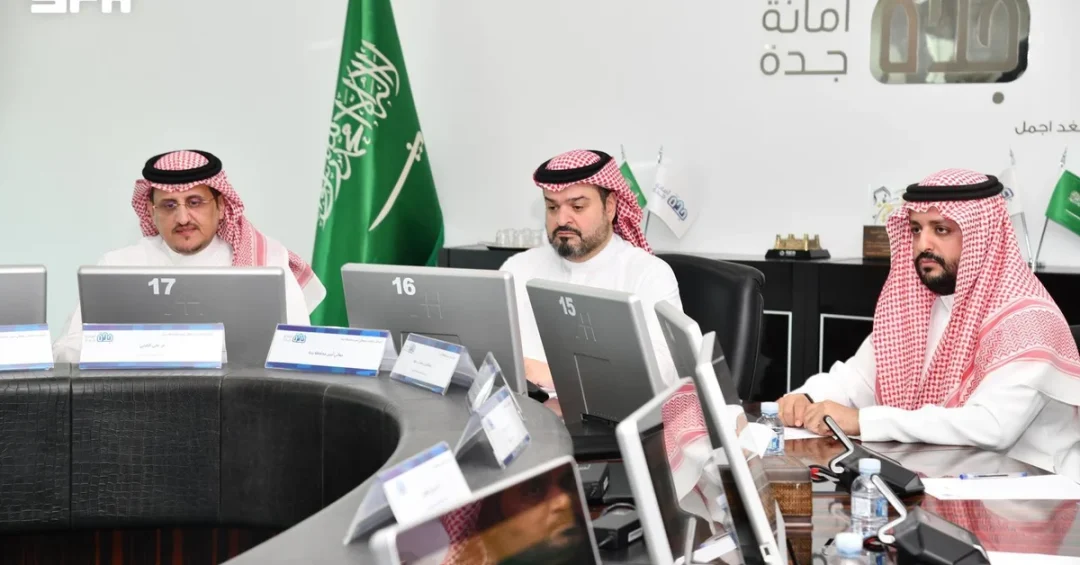
Jeddah Municipality convened a high-level coordination meeting on August 12, 2026, chaired by Mayor of Jeddah Ihsan Bafakih and attended by representatives of the Ministry of Sport, to review final preparations for hosting the Arabian Gulf Cup 27 (Khaleeji 27) and the AFC Asian Cup 2027. The session focused on organizational and operational readiness, infrastructure, facilities, and the integrated services that will support teams, fans, and visitors across Jeddah Governorate. The meeting reflects the Kingdom of Saudi Arabia’s systematic, whole-of-government approach to staging major international sporting events, an approach that has become a hallmark of the Vision 2030 era.
With Khaleeji 27 scheduled from September 23 to October 6, 2026, and the AFC Asian Cup 2027 set to run from January 7 to February 5, 2027 across Riyadh, Jeddah, and Al-Khobar, the coordination meeting signals that Saudi Arabia is entering the final operational stretch for two of the most significant football tournaments ever hosted in the region. Jeddah’s role is central: it will host the Gulf Cup in its entirety and will stage several matches of Asia’s flagship continental competition. The meeting, reported by the Saudi Press Agency (SPA), underscores the Kingdom’s commitment to delivering world-class sporting infrastructure and hospitality in line with the highest international standards.
Context and Background
Why does this coordination meeting matter at this particular moment? Saudi Arabia has spent the past several years positioning itself as a global hub for sports, and the simultaneous hosting of two major tournaments within a six-month window represents a unique logistical and operational challenge. The Arabian Gulf Cup, known regionally as Khaleeji 27, is a biennial tournament contested by the national teams of the Gulf Cooperation Council (GCC) states. It carries deep cultural significance and draws passionate fan bases from across the region. The AFC Asian Cup 2027, meanwhile, is the continent’s premier national team competition, organized by the Asian Football Confederation, and will bring together 24 teams from across Asia.
Jeddah’s selection as a host city for both events is no accident. The city has undergone a comprehensive transformation of its sporting and tourism infrastructure under Vision 2030, including the development of modern stadiums, expanded hotel capacity, upgraded transport networks, and a growing calendar of international events. The Jeddah Municipality, led by Mayor Ihsan Bafakih, has been tasked with ensuring that the city’s public spaces, roads, utilities, and services meet the demands of a global sporting spotlight. The August 12 meeting brought together the municipality and the Ministry of Sport to align their efforts and confirm that all requirements are being completed in accordance with approved standards.
The meeting also reflects a broader pattern in Saudi Arabia’s event-hosting strategy: early, detailed coordination among government entities, security services, and private-sector partners. This approach was evident during previous major events, including the FIFA Club World Cup, Formula 1 Saudi Arabian Grand Prix, and various boxing and entertainment spectacles. The goal is to create a seamless experience that leaves a lasting positive impression on visitors and reinforces the Kingdom’s reputation as a reliable and ambitious host.
Key Details
During the meeting, Mayor Bafakih reviewed updates on the hosting process and operational plans, as well as progress made in readiness-related areas. Discussions covered infrastructure, facilities, and services, in addition to joint efforts between the municipality and relevant entities to complete all requirements in accordance with approved standards. The mayor’s review included a detailed assessment of the readiness of stadiums, national team training sites, hotels, and supporting services. These elements are critical to ensuring that players, officials, and fans enjoy a smooth and memorable tournament experience.
One of the notable topics addressed was the proposal for fan zones at several locations across Jeddah Governorate. Fan zones have become a central feature of modern football tournaments, offering public viewing areas, entertainment, food and beverage outlets, and cultural activities. For Jeddah, these zones will serve as vibrant gathering points where residents and visitors can experience the excitement of the tournaments together. The meeting examined the related operational and service arrangements needed to provide an integrated experience for teams, fans, and visitors, including transport, security, waste management, and public health measures.
The coordination meeting also highlighted the importance of stadium readiness. Jeddah is home to several world-class venues, including the King Abdullah Sports City Stadium and the Prince Abdullah Al-Faisal Stadium, both of which have hosted international matches and undergone upgrades in recent years. The municipality and the Ministry of Sport are working to ensure that these facilities, along with training sites and team hotels, meet the rigorous standards set by the Asian Football Confederation and the Gulf Cup organizing committee. The meeting’s outcomes will feed into a broader operational plan that will be activated in the weeks leading up to the tournaments.
International and Regional Impact
How will these tournaments shape Saudi Arabia’s standing in the region and beyond? The Arabian Gulf Cup 27 will bring together national teams from across the GCC, creating a festive atmosphere that celebrates regional unity and sporting excellence. For Jeddah, hosting the entire tournament is an opportunity to showcase its hospitality, cultural heritage, and modern amenities to visitors from neighboring countries. The event also strengthens people-to-people ties and reinforces the Kingdom’s role as a convener of regional events.
The AFC Asian Cup 2027 is on an even larger scale. As the continent’s premier football competition, it will attract teams, media, and fans from across Asia and around the world. Jeddah’s selection as one of three host cities, alongside Riyadh and Al-Khobar, demonstrates the Kingdom’s growing influence in Asian football and its ability to stage complex, multi-city events. The tournament will provide a global platform for Saudi Arabia to present its cultural and economic transformation to an international audience, aligning with the broader goals of Vision 2030 to increase tourism, attract investment, and enhance the Kingdom’s global image.
From a regional perspective, the successful hosting of these events can further cement Saudi Arabia’s leadership in sports diplomacy. The Kingdom has already hosted major events that brought together diverse stakeholders, and the Gulf Cup and Asian Cup will add to this legacy. The coordination between the Jeddah Municipality and the Ministry of Sport also sets a template for future event hosting, demonstrating how local and national entities can work together efficiently.
Economic and Strategic Significance
What economic benefits can Jeddah expect from hosting these tournaments? Major sporting events generate significant economic activity across multiple sectors, including hospitality, retail, transportation, and food services. The influx of fans, officials, and media representatives will fill hotels, restaurants, and shops, providing a boost to local businesses. The tournaments also create temporary employment opportunities and stimulate investment in infrastructure that will benefit residents long after the final whistle.
Strategically, the events align with Saudi Arabia’s efforts to diversify its economy away from oil dependence. Sports tourism is a key pillar of Vision 2030, and the Kingdom has set ambitious targets for visitor numbers and tourism’s contribution to GDP. By hosting high-profile tournaments, Saudi Arabia raises its profile as a destination for sports and entertainment, attracting future events and visitors. The exposure gained from broadcasting the Gulf Cup and Asian Cup to millions of viewers worldwide is invaluable for promoting the Kingdom’s tourism offerings, from Jeddah’s historic Al-Balad district to the Red Sea coast.
Furthermore, the operational know-how gained from organizing these tournaments will enhance Saudi Arabia’s capacity to bid for and host even larger events in the future. The Kingdom has already expressed interest in hosting the FIFA World Cup, and the successful delivery of the Gulf Cup and Asian Cup will be important milestones on that journey. The coordination meeting on August 12 is therefore not just about logistics; it is about building a sustainable events ecosystem that supports long-term economic growth.
Vision 2030 Alignment
How does this development connect to Saudi Arabia’s long-term vision? Vision 2030, launched in 2016 under the leadership of Crown Prince Mohammed bin Salman, aims to transform the Kingdom into a diversified, global economy and a vibrant society. Sports and entertainment are central to this vision, as they promote social cohesion, healthy lifestyles, and international engagement. The hosting of the Arabian Gulf Cup 27 and the AFC Asian Cup 2027 directly supports these objectives by bringing communities together, showcasing Saudi hospitality, and creating economic opportunities.
The Jeddah Municipality’s proactive coordination with the Ministry of Sport exemplifies the whole-of-government approach that Vision 2030 requires. By ensuring that infrastructure, services, and fan experiences are world-class, the Kingdom is not only preparing for two tournaments but also building lasting assets that will benefit residents and visitors for years to come. As Saudi Arabia continues to welcome the world to its cities, events like these reinforce the message that the Kingdom is open for business, tourism, and cultural exchange. The August 12 meeting is a clear signal that Jeddah is ready to shine on the regional and continental stage.
20 Questions
Q1. What was the purpose of the Jeddah Municipality coordination meeting on August 12, 2026?
A1. The meeting reviewed preparations for hosting the Arabian Gulf Cup 27 and the AFC Asian Cup 2027, focusing on organizational and operational readiness, infrastructure, facilities, and services for the two tournaments.
Q2. Who chaired the coordination meeting?
A2. The meeting was chaired by Mayor of Jeddah Ihsan Bafakih and attended by representatives of the Ministry of Sport, according to the Saudi Press Agency.
Q3. What are the dates for the Arabian Gulf Cup 27?
A3. The Arabian Gulf Cup 27, also known as Khaleeji 27, is scheduled to take place from September 23 to October 6, 2026, in Jeddah.
Q4. When and where will the AFC Asian Cup 2027 be held?
A4. The AFC Asian Cup 2027 will be held from January 7 to February 5, 2027, across three Saudi cities: Riyadh, Jeddah, and Al-Khobar.
Q5. Which city will host the entire Arabian Gulf Cup 27?
A5. Jeddah Governorate will host the entire Arabian Gulf Cup 27, making it a central hub for the regional tournament.
Q6. What specific areas of readiness were discussed at the meeting?
A6. Discussions covered stadiums, national team training sites, hotels, supporting services, and proposals for fan zones at several locations across Jeddah Governorate.
Q7. What are fan zones and why are they important?
A7. Fan zones are public viewing and entertainment areas where fans can gather to watch matches and enjoy cultural activities, enhancing the overall tournament experience for residents and visitors.
Q8. How does hosting these tournaments align with Vision 2030?
A8. They support Vision 2030 goals by boosting sports tourism, diversifying the economy, creating jobs, and showcasing Saudi Arabia’s cultural and economic transformation to a global audience.
Q9. What role does the Ministry of Sport play in the preparations?
A9. The Ministry of Sport coordinates with the Jeddah Municipality and other entities to ensure all requirements, from stadium readiness to operational plans, meet approved international standards.
Q10. Why is Jeddah an important host city for these events?
A10. Jeddah boasts world-class stadiums, modern infrastructure, extensive hotel capacity, and a rich cultural heritage, making it an ideal location to host major international football tournaments.
Q11. What economic benefits can Jeddah expect from hosting the tournaments?
A11. The events will stimulate hospitality, retail, transportation, and food services, create temporary jobs, and attract investment in infrastructure that will benefit the city long-term.
Q12. How many teams will participate in the AFC Asian Cup 2027?
A12. The AFC Asian Cup 2027 will feature 24 national teams from across Asia, competing in the continent’s premier football tournament across the three host cities.
Q13. What is the significance of the Arabian Gulf Cup for the region?
A13. The Gulf Cup is a biennial tournament that brings together GCC national teams, celebrating regional unity, sporting excellence, and cultural ties among Gulf nations.
Q14. How does the municipality plan to handle the influx of visitors?
A14. The municipality is coordinating transport, security, waste management, and public health measures to ensure a seamless and safe experience for teams, fans, and visitors.
Q15. What stadiums in Jeddah will be used for the tournaments?
A15. Jeddah’s world-class venues include the King Abdullah Sports City Stadium and the Prince Abdullah Al-Faisal Stadium, both of which have hosted international matches and received upgrades.
Q16. What is the expected impact on Saudi Arabia’s global image?
A16. Successfully hosting these tournaments will enhance Saudi Arabia’s reputation as a capable host of major events, promoting tourism and attracting future international competitions.
Q17. How does this event support Saudi Arabia’s sports diplomacy?
A17. It strengthens regional ties, showcases the Kingdom’s organizational capabilities, and reinforces its leadership role in Asian and Gulf football, building on previous successful events.
Q18. What happens after the tournaments regarding infrastructure?
A18. Upgraded stadiums, transport networks, and public spaces will remain as lasting assets, benefiting residents and supporting future events and tourism in Jeddah.
Q19. Are there any environmental considerations in the preparations?
A19. The municipality is incorporating sustainable practices, including waste management and efficient resource use, to ensure the tournaments are environmentally responsible and align with Vision 2030 sustainability goals.
Q20. What is the next step for Jeddah after this coordination meeting?
A20. The municipality and its partners will continue executing operational plans, finalizing infrastructure readiness, and activating fan zones to ensure both tournaments are delivered successfully and memorably.
Reader Feedback
We value your thoughts. Please share your feedback on this article.
Your feedback helps us improve our coverage.
Related articles
 Surgery, Karate and Esports: Raef Turkistani’s Three Worlds
 Jeddah Municipality and Ministry of Sport Discuss Readiness for Gulf Cup 27 and Asian Cup 2027
 163 Fencers Compete at Saudi Arabia Grand Championship
 Over 400 Sports Facilities Expand Options in Jazan
 Pakhtakor Advances to AFC Champions League Elite
 Leverkusen Signs Argentina’s Medina Until 2031