


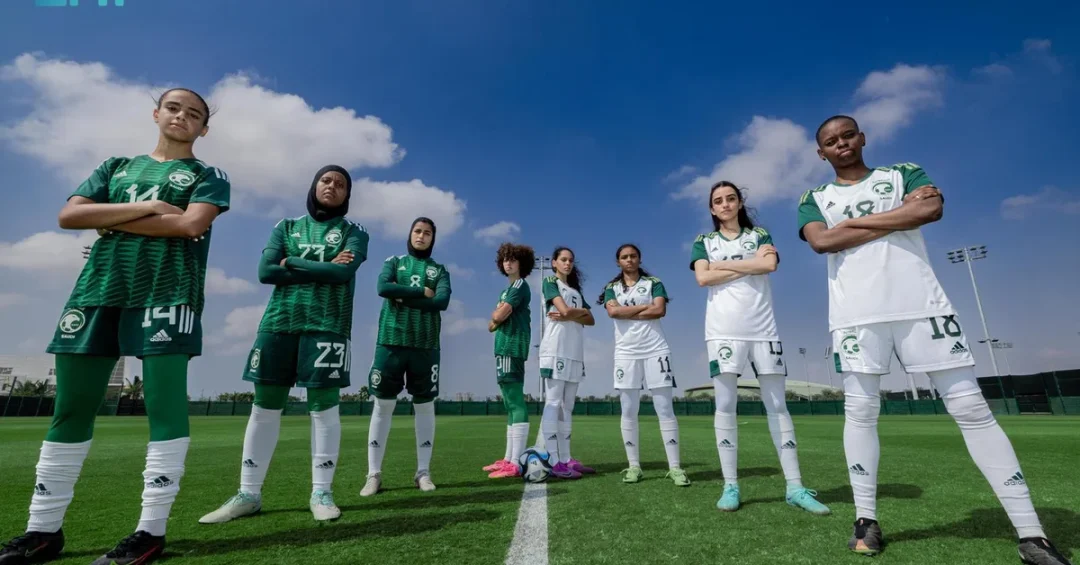
NEOM, in partnership with the Asian Football Confederation (AFC), has published a landmark report titled ‘Pioneering Change: Women’s Football in Saudi Arabia’, offering the most comprehensive look yet at the rapid rise of the women’s game in the Kingdom and its role in advancing Saudi Vision 2030. Announced via the Saudi Press Agency, the report documents a transformation that has unfolded over just six years, tracing the sport’s journey from a nascent initiative to a nationally organized ecosystem with four national teams, five competitions, and tens of thousands of young participants.
But what does it truly take to build a sporting movement from the ground up in under a decade? For Saudi Arabia, the answer lies in a deliberate, multi-stakeholder strategy that has brought together government ministries, sports federations, and international partners. The report, released as NEOM serves as Presenting Partner of the inaugural AFC Women’s Champions League, highlights how women’s football has become a catalyst for broader female participation in sport, helping to redefine sports culture and societal norms while promoting gender equality, healthier lifestyles, and the Kingdom’s national ambitions. With Saudi Arabia set to host the FIFA World Cup in 2034, the momentum behind women’s football is only expected to accelerate.
Context and Background
How did women’s football in Saudi Arabia evolve from a marginal activity into a nationally prioritized sport in such a short time? The answer begins in 2018, when the Saudi Arabian Football Federation (SAFF) established a dedicated women’s football department — a pivotal decision that signaled the Kingdom’s commitment to developing the game at every level. Before that, organized opportunities for female players were limited, and pathways to elite competition were virtually nonexistent. The creation of this department provided the institutional foundation upon which the entire ecosystem could be built.
Since then, the progress has been nothing short of remarkable. The launch of the Saudi Women’s Premier League and the Women’s National Team gave players visible role models and competitive stages. The appointment of female leaders within the sport, including Aalia Abdulaziz AlRasheed as Head of Women’s Football at SAFF, ensured that women’s perspectives shaped decision-making. And in a milestone that underscored the Kingdom’s growing international standing in the sport, Saudi Arabia obtained an official FIFA world ranking for its women’s national team. These achievements were not isolated events but interconnected steps in a carefully designed strategy aligned with Saudi Vision 2030’s goals of empowering women and diversifying the economy.
The report, ‘Pioneering Change: Women’s Football in Saudi Arabia’, was created with contributions from multiple stakeholders, including SAFF, the Saudi Ministry of Sport (MoS), the Saudi Sports for All Federation (SFA), and the AFC. Their combined insights provide a 360-degree view of the landscape — where the sport stands today, what obstacles remain, and how the future could unfold. As Jan Paterson, Managing Director of NEOM Sport, noted, the report is about more than football: it is about providing more opportunities for women and demonstrating the far-reaching impact that sport can have on individuals and communities.
Key Details
What specific milestones have defined the rise of women’s football in Saudi Arabia? The numbers tell a compelling story. According to Aalia Abdulaziz AlRasheed, the Kingdom now boasts four national teams, five competitions, and 77,000 girls playing in the annual Schools League. Six girls’ regional training centers have been established, alongside numerous coaching and refereeing development programs. These initiatives have created a structured pathway from grassroots participation to elite competition, ensuring that young girls who discover a love for football can pursue it at the highest levels.
International engagement has been equally impressive. Saudi Arabia is currently in 62 active partnerships with federations around the world to co-develop the women’s game, and 60 international players from 20 nationalities now play in Saudi leagues. This influx of global talent raises the competitive standard of domestic competitions and exposes Saudi players to diverse styles of play. The report also explores key contributing components such as developmental pathways at grassroots level, the importance of leadership and coaching, investment in infrastructure and accessibility, and commercialization of the sport. Each of these pillars supports the others, creating a self-reinforcing cycle of growth.
Between 2022 and 2023 alone, participation in women’s football increased significantly, a trend that reflects both the effectiveness of the Kingdom’s investments and the growing cultural embrace of women’s sport. The report highlights how these efforts are propelling the sport and communities forward, with tangible strategic benefits that extend beyond the pitch. AlRasheed captured the sentiment well when she said, “It is truly something that needs to be seen to be believed.”
International and Regional Impact
How is Saudi Arabia’s investment in women’s football influencing the sport across Asia and the Middle East? The partnership with the AFC and the publication of this report position the Kingdom as a regional leader in the development of women’s football. By sharing its journey and insights, Saudi Arabia offers a blueprint that other nations in the region can adapt to their own contexts. The AFC Women’s Champions League, for which NEOM serves as Presenting Partner, provides a continental platform that further elevates the visibility of women’s club football and creates new opportunities for Saudi clubs to compete against the best in Asia.
The report also reinforces Saudi Arabia’s role as a global sports hub. With the FIFA World Cup set to be hosted in the Kingdom in 2034, the world’s attention will increasingly turn to Saudi football — both men’s and women’s. The groundwork being laid today ensures that the women’s game will be an integral part of that global moment. International players joining Saudi leagues bring with them not only skill but also stories that connect the Kingdom to football communities worldwide. These connections foster goodwill and cultural exchange, aligning with Vision 2030’s aim to position Saudi Arabia as a bridge between continents.
Moreover, the report’s emphasis on commercialization and investment signals that women’s football in Saudi Arabia is not merely a social initiative but an emerging economic sector. Sponsorships, media rights, and merchandise represent untapped potential that can drive revenue and create jobs. As the sport professionalizes, it attracts business expertise and capital, further integrating women’s football into the Kingdom’s broader economic diversification agenda.
Economic and Strategic Significance
What economic value does a thriving women’s football ecosystem bring to Saudi Arabia? The strategic significance extends far beyond the pitch. Sport is a key pillar of Vision 2030’s quality-of-life program, which aims to increase physical activity, improve public health, and foster community cohesion. Women’s football specifically addresses these goals by encouraging healthier lifestyles among girls and women, while also challenging outdated perceptions and expanding opportunities for female leadership in sports administration, coaching, and refereeing.
The commercialization of women’s football opens new avenues for investment. As leagues gain visibility and attract fans, they become attractive to sponsors and broadcasters. The presence of international players raises the profile of Saudi competitions, potentially increasing media rights values. Infrastructure investments — from stadiums to training centers — create construction jobs and support local businesses. And the success of Saudi women’s football on the international stage can inspire tourism and global interest in the Kingdom, complementing broader efforts to attract visitors and showcase Saudi Arabia’s modernization.
From a strategic perspective, the report underscores Saudi Arabia’s commitment to gender equality as a driver of national progress. By empowering women through sport, the Kingdom is unlocking a significant portion of its human capital. The skills developed through football — teamwork, discipline, resilience — translate into the workforce and entrepreneurship, contributing to economic growth. The 62 international partnerships and the presence of players from 20 nationalities also strengthen diplomatic and people-to-people ties, positioning Saudi Arabia as a collaborative global partner.
Vision 2030 Alignment
How does the rise of women’s football embody the core objectives of Saudi Vision 2030? At its heart, Vision 2030 is about creating a vibrant society, a thriving economy, and an ambitious nation. Women’s football contributes to all three. A vibrant society is one where all citizens, regardless of gender, have the opportunity to pursue their passions and lead healthy, active lives. A thriving economy benefits from the increased participation of women in the workforce and the growth of the sports sector as an economic contributor. An ambitious nation is one that sets bold goals — like hosting the FIFA World Cup 2034 — and builds the institutions and talent to achieve them.
The report ‘Pioneering Change: Women’s Football in Saudi Arabia’ is more than a status update; it is a statement of intent. It documents how far the Kingdom has come and charts a course for the future. With continued investment in grassroots programs, coaching, infrastructure, and commercialization, Saudi women’s football is poised to inspire millions more, both at home and abroad. As Jan Paterson of NEOM Sport put it, the goal is to unlock the full potential of women’s sport by telling the story of how key stakeholders are redefining football and empowering women across the Kingdom. That story is still being written, and its next chapters promise to be even more remarkable.
20 Questions
Q1. What is the name of the report published by NEOM and the AFC?
A1. The report is titled ‘Pioneering Change: Women’s Football in Saudi Arabia’. It was published by NEOM in partnership with the Asian Football Confederation to highlight the growth of the women’s game in the Kingdom.
Q2. When was the dedicated women’s football department established at SAFF?
A2. The Saudi Arabian Football Federation established a dedicated women’s football department in 2018. This marked a pivotal moment that laid the institutional foundation for the sport’s rapid development across the Kingdom.
Q3. How many national teams does Saudi women’s football currently have?
A3. According to Aalia Abdulaziz AlRasheed, Saudi women’s football now has four national teams. These teams compete at various age levels and represent the Kingdom in international competitions.
Q4. How many girls participate in the annual Schools League?
A4. Approximately 77,000 girls play in the annual Schools League. This figure demonstrates the enormous grassroots interest in football among young Saudi females and the success of developmental pathways.
Q5. How many competitions are part of the Saudi women’s football structure?
A5. There are five competitions in the Saudi women’s football structure. These include the Women’s Premier League and other tournaments that provide competitive opportunities for players at different levels.
Q6. How many regional training centers for girls have been established?
A6. Six girls’ regional training centers have been established across Saudi Arabia. These centers provide specialized coaching and development opportunities for talented young players in different regions.
Q7. How many international partnerships does Saudi women’s football have?
A7. Saudi women’s football is currently engaged in 62 active partnerships with federations around the world. These collaborations aim to co-develop the women’s game and realize its full potential globally.
Q8. How many international players play in Saudi women’s leagues?
A8. There are 60 international players from 20 nationalities playing in Saudi women’s leagues. Their presence raises the competitive standard and brings diverse experience to domestic competitions.
Q9. What is NEOM’s role in the AFC Women’s Champions League?
A9. NEOM serves as Presenting Partner of the inaugural AFC Women’s Champions League. This partnership reflects NEOM’s commitment to supporting the growth of women’s football across the region and beyond.
Q10. When did Saudi Arabia obtain an official FIFA world ranking for its women’s team?
A10. Saudi Arabia obtained an official FIFA world ranking for its women’s national team as part of the historic milestones achieved over the past six years. This recognition underscores the team’s growing competitiveness on the international stage.
Q11. Who is the Head of Women’s Football at SAFF?
A11. Aalia Abdulaziz AlRasheed is the Head of Women’s Football at the Saudi Arabian Football Federation. She has been a key leader in driving the transformation of the women’s game in the Kingdom.
Q12. What did Jan Paterson say about the report?
A12. Jan Paterson, Managing Director of NEOM Sport, said the report is about more than football. It is about providing more opportunities for women and demonstrating the far-reaching impact sport can have on individuals and communities.
Q13. Which organizations contributed to the report?
A13. Contributors include the Saudi Arabian Football Federation, the Saudi Ministry of Sport, the Saudi Sports for All Federation, the AFC, and other stakeholders. Their combined insights provide a comprehensive view of the women’s football landscape.
Q14. What year is Saudi Arabia set to host the FIFA World Cup?
A14. Saudi Arabia is set to host the FIFA World Cup in 2034. This major event is expected to further boost interest and participation in football among Saudi women.
Q15. How did participation in women’s football change between 2022 and 2023?
A15. Participation in women’s football increased significantly between 2022 and 2023. This growth reflects the effectiveness of investments in grassroots programs, infrastructure, and accessibility across the Kingdom.
Q16. What are some key components explored in the report?
A16. The report explores developmental pathways at grassroots level, the importance of leadership and coaching, investment in infrastructure and accessibility, and commercialization of the sport. These components highlight the depth of opportunity in women’s football.
Q17. How does women’s football align with Saudi Vision 2030?
A17. Women’s football aligns with Vision 2030 by promoting gender equality, healthier lifestyles, and increased female participation in sport. It also supports economic diversification and enhances the Kingdom’s global standing.
Q18. What impact has women’s football had on societal norms in Saudi Arabia?
A18. Women’s football has helped redefine sports culture and societal norms by promoting gender equality and demonstrating that women can excel in competitive sports. It has inspired millions and opened new opportunities for girls.
Q19. What is the mission of SAFF’s women’s football department?
A19. The mission is to inspire and offer new opportunities for girls throughout Saudi Arabia to realize their dreams and showcase their talent and love for football. It aims to grow the game at all levels.
Q20. What does the future hold for Saudi women’s football?
A20. The future looks exceptionally bright. With continued investment, international partnerships, and the upcoming FIFA World Cup 2034, Saudi women’s football is poised for further growth and global recognition.
Reader Feedback
We value your thoughts. Please share your feedback on this article.
Your feedback helps us improve our coverage.
Related articles
 Saudi Arabia’s Al Nasfan Wins Czech Squash Championship
 Riyadh Season to Sponsor Drone Racing World Cup 2025
 Prince Fahd bin Jalawi Joins World Triathlon Meetings in Madrid
 AlUla Desert Polo Sets Record Attendance, Boosts Vision 2030
 Drone Racing World Cup Kicks Off in Riyadh with SAR1.3M Prizes
 E1 World Championship Returns to Jeddah Tomorrow