


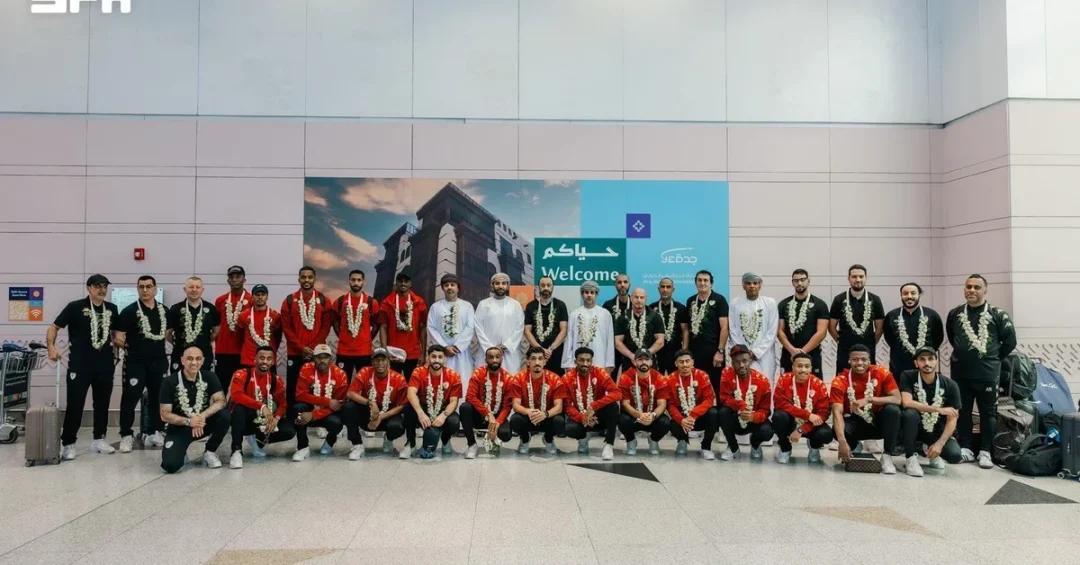
The Oman national football team arrived in Jeddah on September 18, 2026, becoming one of the first delegations to land in the host city ahead of the 27th Arabian Gulf Cup, which will be held from September 23 to October 6. The team’s arrival was reported by the Saudi Press Agency (SPA), marking the continued influx of participating nations as local authorities finalize operational and technical preparations for the regional tournament. Jeddah is hosting the Arabian Gulf Cup for the first time, a milestone that underscores the Kingdom of Saudi Arabia’s growing capacity to stage major international sporting events.
Context and Background
The Arabian Gulf Cup is a biennial football competition contested by national teams from the Gulf Cooperation Council (GCC) region. First held in 1970, the tournament has grown into one of the most anticipated sporting events in the Arab world, drawing passionate fans and showcasing emerging talent. The 27th edition will be the first to take place in Jeddah, a city already renowned for hosting high-profile events such as the Saudi Arabian Grand Prix and the Red Sea International Film Festival.
Saudi Arabia has previously hosted the tournament in Riyadh (1972, 1986, 1998) and Dammam (2002), but Jeddah’s selection reflects the Kingdom’s broader strategy to distribute major events across its cities, in line with Vision 2030’s quality-of-life goals. The Saudi Ministry of Sport, under the leadership of Minister of Sport Prince Abdulaziz bin Turki Al-Faisal, has been instrumental in preparing world-class stadiums and infrastructure.
Key Details
The Omani delegation, led by the Oman Football Association (OFA), touched down in Jeddah ahead of the group stage. Oman is a seasoned participant in the Gulf Cup, having won the title twice (2009, 2017). Their early arrival allows for acclimatization and training at local facilities, which have been upgraded to meet international standards. Other GCC teams—including Kuwait, Bahrain, Qatar, the United Arab Emirates, Iraq, and Yemen—are expected to arrive in the coming days.
The tournament will be played across three stadiums in Jeddah: King Abdullah Sports City Stadium, Prince Abdullah Al-Faisal Stadium, and the newly renovated King Fahd Stadium. Saudi authorities have implemented comprehensive logistical and security measures, including dedicated fan zones, transportation networks, and health protocols, to ensure a seamless experience for players and spectators alike.
Implications and Impact
The arrival of teams signals the final countdown to a tournament that will not only electrify football fans but also stimulate Jeddah’s local economy. Hotels, restaurants, and retail outlets are preparing for an influx of visitors, while media coverage will spotlight Saudi Arabia’s hospitality and organizational prowess. The event also reinforces regional unity, as GCC nations come together in friendly competition, transcending political differences.
For Saudi Arabia, hosting the Gulf Cup is another step toward becoming a global sports hub. The Kingdom has recently secured hosting rights for the 2027 AFC Asian Cup and is a candidate for the 2034 FIFA World Cup. Success in Jeddah will further demonstrate Saudi Arabia’s ability to deliver mega-events, bolstering its reputation on the world stage.
Vision 2030 Alignment
This tournament directly supports Vision 2030’s objectives of enhancing quality of life, promoting tourism, and fostering international engagement. By hosting the Arabian Gulf Cup, Saudi Arabia showcases its modern infrastructure, cultural heritage, and youthful energy. The event aligns with the National Transformation Program’s sports sector goals, which aim to increase physical activity and community participation. As the Kingdom continues to open its doors to the world, the Gulf Cup serves as a testament to its progress and a bridge to future opportunities.
20 Questions
Q1. When did the Oman national football team arrive in Jeddah?
A1. The Oman national football team arrived in Jeddah on September 18, 2026, according to the Saudi Press Agency. They are among the first delegations to arrive ahead of the 27th Arabian Gulf Cup.
Q2. Which tournament is being hosted in Jeddah?
A2. Jeddah is hosting the 27th Arabian Gulf Cup, a biennial football competition for Gulf Cooperation Council national teams. The tournament will run from September 23 to October 6, 2026.
Q3. How many times has Saudi Arabia hosted the Arabian Gulf Cup?
A3. Saudi Arabia has hosted the Arabian Gulf Cup multiple times, including in Riyadh (1972, 1986, 1998), Dammam (2002), and now Jeddah (2026). This marks the first time Jeddah will host the event.
Q4. Which organization is responsible for preparing Jeddah for the tournament?
A4. The Saudi Ministry of Sport, led by Minister of Sport Prince Abdulaziz bin Turki Al-Faisal, is coordinating with local authorities to finalize operational and technical preparations for the tournament.
Q5. How many times has Oman won the Arabian Gulf Cup?
A5. Oman has won the Arabian Gulf Cup twice, in 2009 and 2017. They are a strong contender in the tournament and often perform well against regional rivals.
Q6. Which other teams are expected to participate in the Gulf Cup?
A6. The tournament features national teams from the GCC, including Kuwait, Bahrain, Qatar, the United Arab Emirates, Iraq, and Yemen. All teams are expected to arrive in Jeddah in the coming days.
Q7. What stadiums will host the matches in Jeddah?
A7. Matches will be played at King Abdullah Sports City Stadium, Prince Abdullah Al-Faisal Stadium, and the newly renovated King Fahd Stadium. These venues meet international standards and have hosted major events.
Q8. What economic impact is expected from hosting the Gulf Cup in Jeddah?
A8. The tournament is expected to boost Jeddah’s economy by increasing demand for hotels, restaurants, and retail services. It will also create temporary jobs and attract media attention, showcasing Saudi hospitality.
Q9. How does hosting the Gulf Cup align with Vision 2030?
A9. It supports Vision 2030 goals of enhancing quality of life, promoting tourism, and fostering international engagement. The event also aligns with the National Transformation Program’s sports sector objectives.
Q10. What logistical preparations have been made for the tournament?
A10. Saudi authorities have implemented comprehensive measures, including fan zones, transportation networks, and health protocols. These ensure a seamless experience for players and spectators while highlighting the Kingdom’s organizational capabilities.
Q11. When was the first Arabian Gulf Cup held?
A11. The first Arabian Gulf Cup was held in 1970 in Bahrain. Since then, it has become a cornerstone of regional sports, promoting camaraderie and competition among Gulf nations.
Q12. Which Saudi cities have previously hosted the Gulf Cup?
A12. Riyadh hosted in 1972, 1986, and 1998, while Dammam hosted in 2002. Jeddah’s selection reflects the Kingdom’s strategy to distribute major events across its cities.
Q13. What is the significance of Jeddah hosting for the first time?
A13. It demonstrates Saudi Arabia’s growing capacity to stage major international events and highlights Jeddah’s status as a vibrant, cosmopolitan city. It also brings the tournament to a new audience.
Q14. How are local authorities ensuring a smooth tournament?
A14. Local authorities, in coordination with the Ministry of Sport, are finalizing operational and technical preparations. This includes stadium readiness, security, transportation, and accommodation for teams and fans.
Q15. What can fans expect from the tournament experience in Jeddah?
A15. Fans can expect world-class football, dedicated fan zones, cultural activities, and Saudi hospitality. The event will also feature entertainment and dining options, making it a memorable experience for all attendees.
Q16. How does the Gulf Cup promote regional unity?
A16. The tournament brings together GCC nations in friendly competition, fostering camaraderie and cultural exchange. It transcends political differences and strengthens bonds among Gulf peoples.
Q17. What legacy will the Gulf Cup leave for Jeddah?
A17. It will leave upgraded sports infrastructure, enhanced international reputation, and economic benefits. It also inspires youth participation in sports and promotes healthy lifestyles in line with Vision 2030.
Q18. Who is the Minister of Sport in Saudi Arabia?
A18. Prince Abdulaziz bin Turki Al-Faisal is the Minister of Sport. He has been instrumental in advancing Saudi Arabia’s sports sector and attracting major events to the Kingdom.
Q19. How does the Gulf Cup fit into Saudi Arabia’s broader sports strategy?
A19. It is part of Saudi Arabia’s strategy to become a global sports hub, alongside hosting the 2027 AFC Asian Cup and bidding for the 2034 FIFA World Cup. These events showcase the Kingdom’s capabilities.
Q20. What message does Saudi Arabia send by hosting the Gulf Cup?
A20. Saudi Arabia demonstrates its commitment to regional cooperation, sports development, and Vision 2030. It shows the Kingdom is open for business, tourism, and international partnerships, welcoming the world with warmth and professionalism.
Reader Feedback
We value your thoughts. Please share your feedback on this article.
Your feedback helps us improve our coverage.