


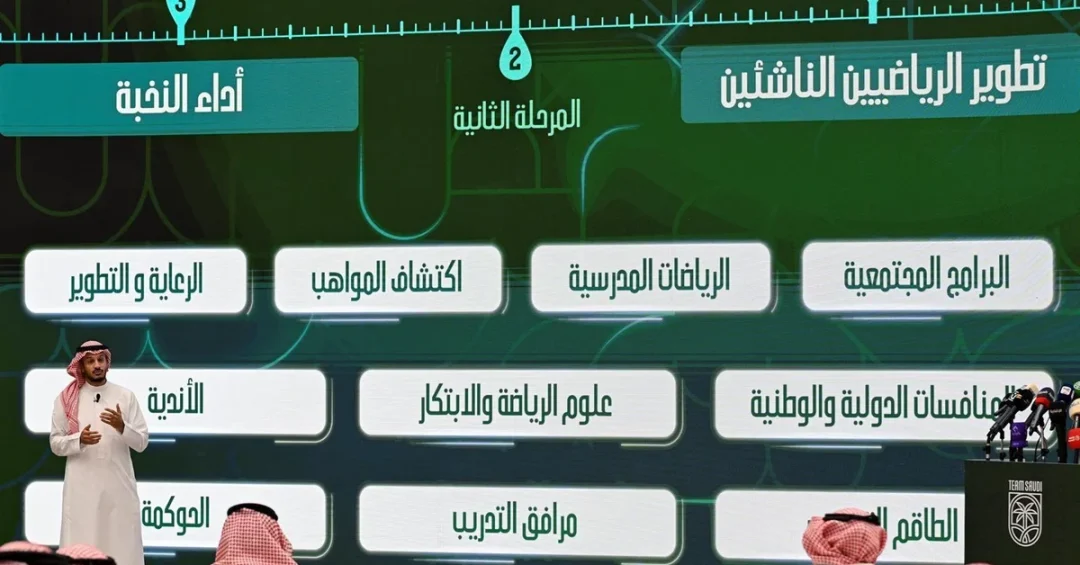
Saudi Arabia will send a delegation of 144 athletes to compete across 19 disciplines at the 20th Asian Games Aichi-Nagoya 2026, the Saudi Olympic and Paralympic Committee (SOPC) announced during its periodic sports sector conference in Riyadh. The games are scheduled to open in Japan in mid-September, marking a significant milestone in the Kingdom’s expanding international sports presence.
Context and Background
The announcement reflects Saudi Arabia’s broader strategy to elevate its competitive standing in global athletics, aligned with the nation’s Vision 2030 objectives to promote sports excellence and youth development. The SOPC, led by CEO and Secretary-General Abdulaziz Baeshen, has identified 11 priority sports for podium finishes: athletics, judo, taekwondo, karate, jujitsu, swimming, weightlifting, shooting, equestrian, fencing, and wrestling. This targeted approach mirrors successful international models where focused investment in select disciplines yields a majority of medals.
The Kingdom’s participation in the Asian Games underscores its commitment to fostering athletic talent and enhancing its reputation as a rising sports hub. With 48% of the squad under the age of 23, the delegation highlights a strategic emphasis on youth, ensuring a pipeline of future champions.
Key Details
Baeshen outlined that delegation criteria required athletes to rank among Asia’s top eight in individual disciplines and top four in team events, ensuring a highly competitive roster. To support long-term development, the SOPC approved a sports scholarship initiative in partnership with the Ministry of Sport and Ministry of Education, sending 50 elite athletes annually to world-leading sports universities. Additionally, specialized national training hubs are being rolled out, including combat sports centers in Jeddah and Riyadh, athletics centers in Bisha, Jazan, and Madinah, and comprehensive elite facilities under development.
For the 5th Asian Para Games, scheduled from October 18 to 24, Saudi Arabia will field 44 athletes across eight sports. This participation focuses on high performance while providing international tournament exposure for young national talent, reinforcing the Kingdom’s inclusive approach to sports.
Implications and Impact
Saudi Arabia’s substantial delegation to the Asian Games signals its growing influence in Asian sports and its capacity to compete at the highest levels. The emphasis on youth and specialized training infrastructure positions the Kingdom as a serious contender in regional and global competitions. This move also strengthens diplomatic and cultural ties with Japan and other participating nations, showcasing Saudi Arabia’s commitment to international collaboration and sports diplomacy.
The scholarship initiative and training hubs are expected to yield long-term benefits, enhancing the Kingdom’s athletic performance and contributing to the diversification of its economy through sports-related sectors. Moreover, the participation of para-athletes underscores Saudi Arabia’s dedication to inclusivity and the empowerment of all citizens, in line with Vision 2030’s social development goals.
Vision 2030 Alignment
This comprehensive sports strategy directly supports Saudi Vision 2030 by promoting physical activity, nurturing talent, and elevating the Kingdom’s global stature. As Saudi Arabia continues to invest in sports infrastructure and youth development, it reinforces its role as a leader in the international sports community, driving forward its ambitious vision for a vibrant and diversified future.
20 Questions
Q1. How many athletes will Saudi Arabia send to the 20th Asian Games?
A1. Saudi Arabia will send 144 athletes to compete in 19 disciplines at the 20th Asian Games Aichi-Nagoya 2026, as announced by the Saudi Olympic and Paralympic Committee.
Q2. When and where will the 20th Asian Games take place?
A2. The 20th Asian Games will be held in Aichi-Nagoya, Japan, opening in mid-September 2026.
Q3. Which sports are prioritized for podium finishes?
A3. The 11 priority sports are athletics, judo, taekwondo, karate, jujitsu, swimming, weightlifting, shooting, equestrian, fencing, and wrestling.
Q4. Who announced the delegation and strategy?
A4. Abdulaziz Baeshen, CEO and Secretary-General of the Saudi Olympic and Paralympic Committee, announced the delegation and strategic priorities during the periodic sports sector conference.
Q5. What is the sports scholarship initiative?
A5. The initiative, in partnership with the Ministry of Sport and Ministry of Education, sends 50 elite athletes annually to world-leading sports universities to develop long-term athletic capability.
Q6. What training hubs are being established?
A6. Specialized national training hubs include combat sports centers in Jeddah and Riyadh, athletics centers in Bisha, Jazan, and Madinah, and comprehensive elite facilities under development.
Q7. What are the delegation criteria for athletes?
A7. Athletes must rank among Asia’s top eight in individual disciplines and top four in team events to be selected for the delegation.
Q8. What percentage of the squad is under 23?
A8. Forty-eight percent of the 144-athlete squad is under the age of 23, emphasizing youth development.
Q9. How many athletes will compete in the Asian Para Games?
A9. Saudi Arabia will field 44 athletes across eight sports at the 5th Asian Para Games.
Q10. When are the Asian Para Games scheduled?
A10. The 5th Asian Para Games will take place from October 18 to 24, 2026.
Q11. What is the goal of the para-athletes’ participation?
A11. The goal is high performance while building international tournament exposure for young national talent.
Q12. How does this align with Vision 2030?
A12. It promotes sports excellence, youth development, and international engagement, supporting Vision 2030’s goals for a vibrant society and diversified economy.
Q13. What is the significance of the 48% under-23 statistic?
A13. It highlights Saudi Arabia’s investment in young athletes, ensuring a strong pipeline for future international competitions.
Q14. How does the scholarship initiative benefit athletes?
A14. It provides elite athletes with access to top sports universities, enhancing their training, education, and competitive skills.
Q15. What role do the training hubs play?
A15. They offer specialized facilities for various sports, enabling athletes to train at high standards and improve performance.
Q16. How many disciplines will Saudi Arabia compete in?
A16. Saudi Arabia will compete in 19 disciplines at the Asian Games.
Q17. What is the benchmark for the priority sports strategy?
A17. The strategy benchmarks leading international models where select sports account for up to 80% of top medal tallies.
Q18. Which ministry partners on the scholarship initiative?
A18. The Ministry of Sport and Ministry of Education partner on the sports scholarship initiative.
Q19. What is the expected impact on Saudi sports?
A19. It is expected to enhance athletic performance, foster youth talent, and elevate the Kingdom’s global sports standing.
Q20. How does this participation strengthen international ties?
A20. It fosters sports diplomacy and cultural exchange with Japan and other nations, showcasing Saudi Arabia’s commitment to global collaboration.
Reader Feedback
We value your thoughts. Please share your feedback on this article.
Your feedback helps us improve our coverage.
Related articles
 Riyadh Hosts 10th Arab Festival of Sports for All
 Taif Racing Season Week 7 Features SAR1.7 Million in Prizes
 Free Practice Kicks Off Saudi Toyota Time Attack Round Two
 AFC Asian Cup 2027 Committee Showcases Ahlan App at LEAP 2026
 Saudi Motorsport Company Showcases F1 Grand Prix Journey at LEAP 2026
 Khaleeji 27 Enters Final Stage: 30 Days to Kickoff in Jeddah