


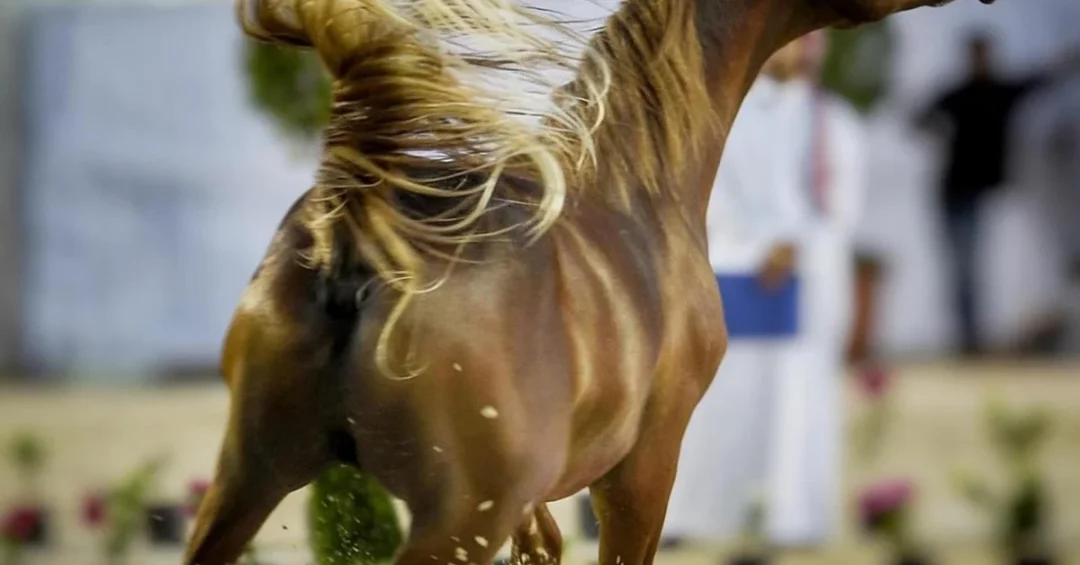
Saudi Arabia will host the 17th Makkah International Arabian Horse Festival from November 12 to 14, 2026, welcoming leading Saudi, Gulf, Arab, and international studs to Jeddah in a landmark celebration of equestrian heritage and sporting excellence. The event, announced by the Saudi Press Agency, underscores the Kingdom’s commitment to preserving the legacy of the Arabian horse while reinforcing its growing stature as a global destination for premier championships. Could this festival mark another milestone in Saudi Arabia’s rise as a hub for world-class equestrian sport?
The festival arrives at a time when Saudi Arabia is accelerating efforts to diversify its sports sector under Vision 2030, the national transformation blueprint championed by Crown Prince Mohammed bin Salman. By bringing together breeders, owners, and enthusiasts from across the region and beyond, the event highlights the deep historical ties between Saudi society and horses, which have long been integral to the cultural and civilizational heritage of the Arabian Peninsula. The gathering also signals the Kingdom’s intent to position itself as a leading venue for international sporting and cultural events, drawing visitors and showcasing the authenticity of Arabian horses on a global stage.
Context and Background
Have you ever wondered why the Arabian horse holds such a revered place in the history of the Arabian Peninsula? For centuries, these horses have been central to the region’s identity, celebrated for their endurance, intelligence, and beauty. The Makkah International Arabian Horse Festival, now in its 17th edition, builds on this legacy by providing a platform for breeders and owners to display the finest specimens while fostering international collaboration. The event is organized under the umbrella of Saudi Arabia’s official sporting and cultural authorities, reflecting a coordinated national effort to preserve and promote this heritage.
The festival’s origins trace back to earlier efforts by Saudi equestrian institutions to create a dedicated showcase for Arabian horses, which are considered among the purest and most historically significant breeds in the world. Over the years, the event has grown in scope and prestige, attracting participants from across the Gulf Cooperation Council, the wider Arab world, and beyond. This growth mirrors the broader development of Saudi Arabia’s sports sector, which has seen increased investment, infrastructure development, and international partnerships as part of Vision 2030. The Kingdom’s leadership has consistently emphasized that preserving cultural traditions and embracing modernization are complementary goals, not conflicting ones.
In recent years, Saudi Arabia has hosted a series of high-profile equestrian events, including international show jumping competitions and endurance races, further cementing its reputation in the global equestrian community. The Makkah festival stands out for its focus on the Arabian breed, which holds a special place in Saudi culture and is often referred to as a living symbol of the nation’s history. By continuing this tradition, the Kingdom not only honors its past but also invests in a future where equestrian sports play a vibrant role in its social and economic life.
Key Details
What can attendees expect from this year’s festival? Scheduled for November 12–14 in Jeddah, the 17th Makkah International Arabian Horse Festival will feature a series of competitions and exhibitions designed to highlight the finest qualities of Arabian horses. Leading studs from Saudi Arabia, the Gulf, the Arab world, and international participants will compete in categories that assess conformation, movement, and overall breed standards. The event will also include cultural programming, educational sessions, and opportunities for networking among breeders and enthusiasts.
The festival is expected to draw significant attention from the global equestrian community, with judges and experts applying internationally recognized criteria to evaluate the horses. This level of professionalism ensures that the competition serves as a credible platform for breeders to gain recognition and for buyers to identify top-quality bloodlines. For Saudi Arabia, hosting such an event demonstrates its capacity to organize and deliver world-class championships, a capability that has been repeatedly proven through other major sporting events hosted in the Kingdom.
Beyond the competition itself, the festival offers a window into Saudi Arabia’s rich cultural tapestry. Visitors will have the chance to learn about the history of the Arabian horse, its role in Bedouin traditions, and its enduring significance in contemporary Saudi society. The event also provides an economic boost to the local area, supporting hospitality, tourism, and related industries. By integrating cultural heritage with modern sporting infrastructure, the festival exemplifies the holistic approach that defines Vision 2030.
International and Regional Impact
How does a regional horse festival resonate on the global stage? The Makkah International Arabian Horse Festival serves as a bridge between Saudi Arabia and the international equestrian community, fostering ties that extend beyond the sporting arena. Participants from different countries bring diverse perspectives and expertise, creating opportunities for knowledge exchange and collaboration. For Saudi Arabia, this engagement enhances its soft power and reinforces its position as a responsible global player committed to cultural preservation and international cooperation.
Regionally, the festival strengthens bonds among Gulf and Arab nations, which share a deep appreciation for Arabian horses. By hosting studs from across the region, Saudi Arabia reinforces its role as a unifying force in the Arab world, promoting shared heritage and mutual respect. This aligns with the Kingdom’s broader diplomatic efforts to foster stability and prosperity in the region. The presence of international participants also signals that Saudi Arabia is open to the world, welcoming visitors and showcasing its progress in a manner that transcends political boundaries.
Economic and Strategic Significance
What economic benefits can a heritage-focused event generate? The festival contributes to Saudi Arabia’s economic diversification goals by stimulating activity in tourism, hospitality, retail, and equine-related industries. Visitors attending the event will require accommodation, transportation, and other services, creating demand that supports local businesses and generates employment. Additionally, the event promotes the equine sector itself, which includes breeding, training, veterinary services, and equipment manufacturing—areas where Saudi Arabia is seeking to develop expertise and investment.
Strategically, the festival reinforces Saudi Arabia’s commitment to Vision 2030 by enhancing the Kingdom’s international presence and attracting global events. It complements other initiatives aimed at boosting sports tourism, such as the hosting of Formula 1 races, international football tournaments, and equestrian championships. By diversifying its sporting portfolio, Saudi Arabia reduces its reliance on hydrocarbon revenues and builds a more resilient, knowledge-based economy. The festival also supports the goal of improving quality of life for citizens and residents by providing cultural and recreational opportunities.
Vision 2030 Alignment
How does the Makkah International Arabian Horse Festival fit into the broader Vision 2030 framework? The event directly supports several objectives, including the development of the sports sector, the preservation of cultural heritage, and the enhancement of Saudi Arabia’s global image. Vision 2030 emphasizes the importance of creating a vibrant society where traditions are celebrated and modern aspirations are pursued. By hosting this festival, Saudi Arabia demonstrates that it values its past while embracing the future, a balance that is central to the Kingdom’s transformation.
In conclusion, the 17th Makkah International Arabian Horse Festival is more than a competition; it is a statement of Saudi Arabia’s identity and ambition. Through this event, the Kingdom honors the Arabian horse, a symbol of its history, and showcases its ability to host world-class gatherings. As Saudi Arabia continues its journey toward Vision 2030, such initiatives will play a vital role in shaping its global reputation as a leader in sports, culture, and diplomacy. The festival invites the world to witness the beauty of Arabian horses and the progress of a nation determined to preserve its heritage while building a prosperous future.
20 Questions
Q1. What is the Makkah International Arabian Horse Festival?
A1. It is an annual event in Saudi Arabia that celebrates Arabian horses, bringing together breeders, owners, and enthusiasts from Saudi Arabia, the Gulf, the Arab world, and internationally to showcase the finest horses and promote equestrian heritage.
Q2. When and where will the 17th edition take place?
A2. The 17th Makkah International Arabian Horse Festival is scheduled for November 12–14, 2026, in Jeddah, Saudi Arabia, as announced by the Saudi Press Agency.
Q3. Who participates in the festival?
A3. Leading Saudi, Gulf, Arab, and international studs, along with Arabian horse enthusiasts, participate in the festival, making it a truly global gathering for the equestrian community.
Q4. Why is the Arabian horse significant in Saudi culture?
A4. The Arabian horse is integral to Saudi Arabia’s cultural and civilizational heritage, representing a historical bond that dates back centuries in the Arabian Peninsula and continues to be a source of pride.
Q5. How does the festival align with Vision 2030?
A5. It supports Vision 2030 by developing the sports sector, strengthening Saudi Arabia’s international presence, diversifying sporting events, and attracting visitors, all while preserving cultural heritage.
Q6. What activities take place during the festival?
A6. The festival features competitions judging Arabian horses on conformation and movement, cultural exhibitions, educational sessions, and networking opportunities for breeders and enthusiasts from around the world.
Q7. How does the event benefit the local economy?
A7. It stimulates tourism, hospitality, retail, and equine-related industries, creating demand for services and generating employment opportunities that support Saudi Arabia’s economic diversification goals.
Q8. What is the historical background of the festival?
A8. The festival has grown over 17 editions, reflecting Saudi Arabia’s long-standing commitment to equestrian sports and the preservation of Arabian horse heritage, evolving into a premier international event.
Q9. How does the festival enhance Saudi Arabia’s global image?
A9. By hosting a world-class event, Saudi Arabia showcases its organizational capabilities, cultural richness, and openness to international participation, reinforcing its reputation as a leading destination for global championships.
Q10. What role do international participants play?
A10. International participants bring diverse expertise, foster knowledge exchange, and enhance the festival’s prestige, while also strengthening diplomatic and cultural ties between Saudi Arabia and other nations.
Q11. Are there any economic partnerships formed during the festival?
A11. While specific partnerships are not detailed in the official announcement, the festival provides a platform for networking and collaboration among breeders, investors, and industry professionals, potentially leading to future ventures.
Q12. How does the festival support Saudi Arabia’s sports sector development?
A12. It contributes to the growth of equestrian sports, encourages investment in related infrastructure, and promotes Saudi Arabia as a hub for international sporting events, aligning with Vision 2030 objectives.
Q13. What makes the Arabian horse unique?
A13. Arabian horses are renowned for their endurance, intelligence, and beauty, and are considered one of the oldest and purest breeds, with a history deeply intertwined with the Arabian Peninsula.
Q14. How can visitors attend the festival?
A14. Details on attendance and ticketing are typically announced by organizers closer to the event date through official Saudi channels, including the Saudi Press Agency and relevant sporting authorities.
Q15. Does the festival include cultural performances?
A15. Yes, the festival often includes cultural programming that highlights Saudi traditions, music, and heritage, providing visitors with a comprehensive experience of the Kingdom’s rich culture.
Q16. What is the significance of hosting the event in Jeddah?
A16. Jeddah, as a major commercial and cultural hub, offers excellent infrastructure and accessibility, making it an ideal location to host international events and welcome visitors from around the world.
Q17. How does the festival promote equine tourism?
A17. By attracting international visitors and showcasing Saudi Arabia’s equestrian facilities and heritage, the festival encourages tourism focused on equine activities, contributing to the growth of the tourism sector.
Q18. What are the judging criteria for the competitions?
A18. Judges evaluate horses based on international breed standards, including conformation, movement, type, and overall quality, ensuring a fair and professional competition.
Q19. How does the festival preserve Saudi heritage?
A19. It celebrates the Arabian horse as a cultural symbol, educates the public about its history, and supports breeding programs that maintain the purity and legacy of the breed for future generations.
Q20. What is the expected impact of the festival on Saudi Arabia’s global standing?
A20. The festival reinforces Saudi Arabia’s position as a leader in equestrian sports and a destination for global events, enhancing its international image and supporting Vision 2030 goals for diversified growth.
Reader Feedback
We value your thoughts. Please share your feedback on this article.
Your feedback helps us improve our coverage.
Related articles
 Saudi Camels Win Two Trophies on Final Day of Saudi Olympic Camel Cup, Lead Overall Race Wins
 Saudi U-23 Team to Hold Eastern Region Training Camp
 Saudi Futsal Team Opens Hungary Camp Ahead of Three Friendlies
 Al-Hilal Beats Shabab AlAhli 2-0 in AFC Champions League Elite
 NEOM Defeats Al-Duhail 3-0 in Gulf Club Champions League
 Saudi Camels Lead Saudi Olympic Camel Cup Rankings