


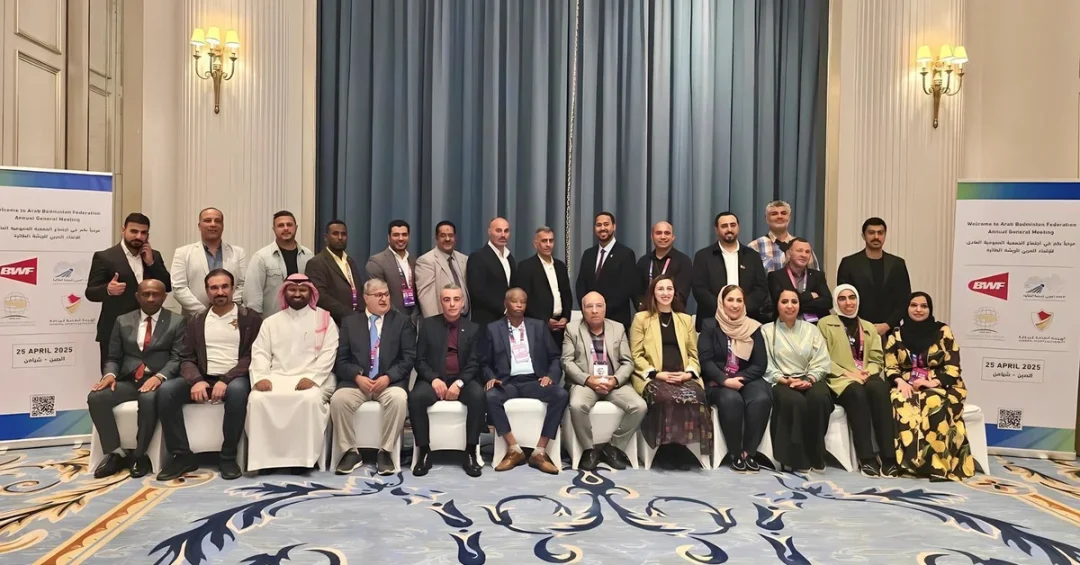
Saudi Arabia’s Mai Alrasheed has been elected president of the Arab Badminton Federation, becoming the first Saudi woman to lead the regional body. The election took place during the assembly’s meeting in China, held on the sidelines of the World Badminton Federation’s General Assembly, where Alrasheed secured 10 votes against eight. This landmark achievement underscores the Kingdom’s growing influence in international sports and its commitment to empowering women in leadership roles, in line with Vision 2030.
Alrasheed’s victory is not just a personal triumph but a significant milestone for Saudi Arabia and the Arab world. It reflects the progressive reforms championed by Crown Prince Mohammed bin Salman, which have opened new opportunities for women across all sectors, including sports. As the first woman to lead the Arab Badminton Federation, Alrasheed will now play a pivotal role in shaping the future of badminton across the region, promoting the sport and fostering talent. Her election also highlights the Kingdom’s active engagement in global sports governance, further solidifying its position as a key player on the international stage.
Context and Background
How did this historic election come about, and what does it mean for the region? The Arab Badminton Federation, which oversees the development of badminton in the Arab world, held its assembly meeting in China alongside the World Badminton Federation’s General Assembly. This setting provided a global platform for the election, emphasizing the international significance of the role. Mai Alrasheed, who has served as president of the Saudi Badminton Federation, brought a wealth of experience to the table. Her leadership at the national level has been marked by initiatives to popularize badminton among Saudi youth and to enhance the Kingdom’s competitive standing in the sport.
The election itself was closely contested, with Alrasheed winning by a margin of 10 votes to eight. This narrow victory underscores the confidence that member nations have in her vision and capabilities. It also reflects a broader trend in the Arab world, where women are increasingly taking on leadership roles in sports administration. Saudi Arabia has been at the forefront of this shift, with Vision 2030 driving reforms that encourage women’s participation in all aspects of society, including athletics. Alrasheed’s success is a direct outcome of these efforts, showcasing how Saudi women are now competing—and winning—on equal footing with their peers.
Badminton has been gaining popularity in Saudi Arabia and across the Arab region, thanks to grassroots programs and improved facilities. The Saudi Badminton Federation has been instrumental in this growth, organizing tournaments, training coaches, and promoting the sport in schools. Alrasheed’s election to the Arab federation is expected to accelerate these efforts, as she will now have a platform to advocate for increased investment and collaboration among Arab nations. Her leadership will also help raise the profile of badminton in a region traditionally dominated by football and other sports, potentially unlocking new opportunities for athletes and fans alike.
Key Details
What exactly happened at the assembly, and what are the immediate implications? According to the Saudi Press Agency (SPA), the election took place during the Arab Badminton Federation’s meeting in China, which was held on the sidelines of the World Badminton Federation’s General Assembly. Alrasheed received 10 votes, while her opponent garnered eight. This democratic process demonstrates the respect she commands among her peers and the trust placed in her leadership. As president, she will be responsible for overseeing the federation’s activities, including organizing regional tournaments, developing youth programs, and representing Arab interests within the global badminton community.
Alrasheed’s background as a sports administrator and her previous role as head of the Saudi Badminton Federation have prepared her well for this new challenge. Under her leadership, the Saudi federation has made significant strides, such as hosting international events and increasing participation rates. Her election to the Arab body is a natural progression, allowing her to extend her influence and expertise across the region. It also aligns with Saudi Arabia’s broader strategy to use sports as a tool for diplomacy and cultural exchange, as outlined in Vision 2030. The Kingdom has already hosted numerous high-profile sporting events, from Formula 1 to football tournaments, and Alrasheed’s new role will further enhance its reputation as a hub for sports in the Middle East.
The World Badminton Federation’s General Assembly provided a fitting backdrop for this election, as it brought together badminton leaders from around the globe. Alrasheed’s presence at such a forum highlights Saudi Arabia’s active participation in international sports governance. Her victory also sends a powerful message to women and girls in Saudi Arabia and beyond: that with dedication and support, they can achieve the highest levels of leadership. This is particularly significant in a region where women’s roles in sports have historically been limited, but are now rapidly expanding thanks to progressive policies and societal change.
International and Regional Impact
How will Alrasheed’s election influence badminton in the Arab world and beyond? Her presidency is expected to bring a renewed focus on development and inclusivity. She has already indicated her intention to work closely with member nations to enhance coaching standards, increase youth participation, and secure more international events for the region. By leveraging her experience in Saudi Arabia, where badminton has seen a surge in popularity, she can help other Arab countries replicate that success. This could lead to a more competitive Arab presence on the global stage, with more players qualifying for world championships and the Olympics.
On a broader scale, Alrasheed’s election reinforces Saudi Arabia’s commitment to multilateral cooperation and sports diplomacy. The Kingdom has been using sports to build bridges with other nations, and her leadership role in a regional federation is another example of this strategy. It also aligns with the Arab League’s goals of promoting unity and collaboration among member states. By working together under Alrasheed’s guidance, Arab nations can pool resources and share best practices, ultimately raising the standard of badminton across the region. This collaborative approach is likely to yield benefits not only in badminton but also in other areas of sports administration, as countries learn from each other’s experiences.
Economic and Strategic Significance
What does this mean for Saudi Arabia’s economic and strategic goals? Sports is a key pillar of Vision 2030, which aims to diversify the economy, create jobs, and improve the quality of life for citizens. By having a Saudi woman at the helm of a regional sports federation, the Kingdom strengthens its position as a leader in the sports industry. This can attract investment, sponsorships, and tourism, as international events and competitions are drawn to the region. Moreover, it showcases Saudi Arabia’s soft power and its ability to influence positive change in the Arab world, which is crucial for its geopolitical standing.
Alrasheed’s election also has strategic implications for the development of sports infrastructure in Saudi Arabia. The Kingdom has been investing heavily in stadiums, training facilities, and sports academies, and her role can help ensure that these investments are aligned with regional needs and international standards. By hosting more badminton tournaments and training camps, Saudi Arabia can become a hub for the sport, attracting athletes and coaches from across the Arab world. This not only boosts the local economy but also enhances the Kingdom’s reputation as a destination for sports and recreation, supporting the goals of Vision 2030 to increase tourism and entertainment options.
Vision 2030 Alignment
How does this achievement align with Vision 2030? Vision 2030 is fundamentally about empowering Saudi citizens, especially women, to reach their full potential. Mai Alrasheed’s election is a shining example of this vision in action. It demonstrates that Saudi women are not only participating in sports but are also leading and shaping the future of sports in the region. This aligns with the Vision’s objectives of increasing women’s participation in the workforce, promoting gender equality, and fostering a vibrant society. Her success story will inspire countless others to pursue their dreams, knowing that the Kingdom supports their ambitions.
Looking ahead, Alrasheed’s presidency of the Arab Badminton Federation is set to usher in a new era for the sport in the Arab world. With her leadership, we can expect to see more initiatives to promote badminton at the grassroots level, more Arab athletes competing internationally, and greater cooperation among Arab nations. This will not only elevate the sport but also contribute to the broader goals of Vision 2030 by enhancing Saudi Arabia’s global image and fostering regional unity. As the Kingdom continues to transform, stories like this highlight the progress being made and the limitless potential of Saudi women. In conclusion, Mai Alrasheed’s election is a victory for Saudi Arabia, for women, and for the future of sports in the Arab world.
20 Questions
Q1. Who has been elected president of the Arab Badminton Federation?
A1. Mai Alrasheed, the president of the Saudi Badminton Federation, has been elected president of the Arab Badminton Federation. She is the first Saudi woman to hold this position, marking a historic achievement for the Kingdom and the region.
Q2. When and where was the election held?
A2. The election took place during the Arab Badminton Federation’s assembly meeting in China, held on the sidelines of the World Badminton Federation’s General Assembly. The exact date was April 26, 2025, according to the Saudi Press Agency.
Q3. What was the vote margin in the election?
A3. Mai Alrasheed won the election with 10 votes against eight, a narrow but decisive margin that reflects the confidence of member nations in her leadership and vision for the sport.
Q4. What is the significance of this election for Saudi Arabia?
A4. This election is a significant milestone for Saudi Arabia as it showcases the Kingdom’s growing influence in international sports and its commitment to empowering women in leadership roles, aligning with Vision 2030’s goals of gender equality and societal progress.
Q5. What is the Arab Badminton Federation?
A5. The Arab Badminton Federation is the regional governing body for badminton in the Arab world. It oversees the development of the sport, organizes tournaments, and represents Arab interests within the global badminton community.
Q6. What role did the World Badminton Federation’s General Assembly play?
A6. The World Badminton Federation’s General Assembly provided the platform for the Arab Badminton Federation’s meeting and election. It brought together badminton leaders from around the world, highlighting the international significance of Alrasheed’s election.
Q7. What are Mai Alrasheed’s qualifications for this role?
A7. Mai Alrasheed has served as president of the Saudi Badminton Federation, where she has been instrumental in popularizing the sport and enhancing Saudi Arabia’s competitive standing. Her experience and leadership at the national level prepared her for this regional role.
Q8. How does this election reflect Vision 2030?
A8. This election reflects Vision 2030’s emphasis on empowering women and promoting their participation in all sectors, including sports. It demonstrates the Kingdom’s progress in gender equality and its commitment to fostering leadership among Saudi women.
Q9. What impact will Alrasheed’s presidency have on badminton in the Arab world?
A9. Her presidency is expected to bring a renewed focus on development, inclusivity, and collaboration among Arab nations. She aims to enhance coaching standards, increase youth participation, and secure more international events for the region.
Q10. How has badminton grown in Saudi Arabia in recent years?
A10. Badminton has been gaining popularity in Saudi Arabia through grassroots programs, improved facilities, and tournaments organized by the Saudi Badminton Federation. Participation rates have increased, especially among youth and women.
Q11. What challenges might Alrasheed face in her new role?
A11. Challenges may include limited resources in some Arab countries, competing sports for attention, and the need to raise the sport’s profile. However, her experience and the momentum from Vision 2030 position her well to overcome these obstacles.
Q12. How does this election affect Saudi Arabia’s international standing?
A12. It enhances Saudi Arabia’s reputation as a leader in sports diplomacy and regional cooperation. It shows the Kingdom’s ability to influence positive change and its commitment to multilateral engagement in international sports governance.
Q13. What are the economic implications of this election for Saudi Arabia?
A13. The election can attract investment, sponsorships, and tourism related to badminton events. It supports Vision 2030’s economic diversification goals by boosting the sports industry and creating opportunities for business and job creation.
Q14. What message does this send to women in Saudi Arabia and the Arab world?
A14. It sends a powerful message that women can achieve the highest levels of leadership with dedication and support. It inspires women and girls to pursue their ambitions, knowing that the Kingdom and the region are increasingly open to their contributions.
Q15. How does Alrasheed’s election compare to other recent Saudi achievements in sports?
A15. It is part of a broader trend of Saudi women breaking barriers in sports, such as participation in the Olympics and leadership in sports federations. It complements the Kingdom’s hosting of major international events, further elevating its global sports profile.
Q16. What are the next steps for Alrasheed as president?
A16. She is expected to outline a strategic plan for the Arab Badminton Federation, focusing on development, competitions, and collaboration. She will work with member nations to implement initiatives and represent the region in global forums.
Q17. How can other Arab countries benefit from her leadership?
A17. Other Arab countries can benefit from shared best practices, increased funding opportunities, and greater exposure for their athletes. Alrasheed’s leadership can help raise the overall standard of badminton in the region through cooperative programs.
Q18. What role does sports play in Saudi Arabia’s Vision 2030?
A18. Sports is a key pillar of Vision 2030, contributing to economic diversification, job creation, and improved quality of life. It also promotes social cohesion and international diplomacy, as seen in the Kingdom’s hosting of major events.
Q19. How does this election align with the Arab League’s goals?
A19. It aligns with the Arab League’s objectives of promoting unity and collaboration among member states. By working together under Alrasheed’s guidance, Arab nations can strengthen regional ties and achieve common goals in sports and beyond.
Q20. What does the future hold for badminton in the Arab world under Alrasheed’s leadership?
A20. The future looks promising, with increased investment, participation, and international success anticipated. Alrasheed’s vision and Saudi Arabia’s support are expected to elevate the sport, inspiring a new generation of athletes across the Arab world.
Reader Feedback
We value your thoughts. Please share your feedback on this article.
Your feedback helps us improve our coverage.
Related articles
 Saudi Fencing Team Starts Sabre Campaign at Asian Championship
 Saudi Junior Handball Team Gears Up for 2025 IHF U21 World Championship Group Stage
 Al-Hilal to Kick Off FIFA Club World Cup 2025 Campaign against Real Madrid Tomorrow
 Calendar Unveiled for Season 12 of ABB FIA Formula E World Championship
 Al-Hilal Coach: We’re Ready to Face Real Madrid Despite Limited Preparation Time
 Saudi National Team Continues Preparations for CONCACAF Gold Cup Match Against US