


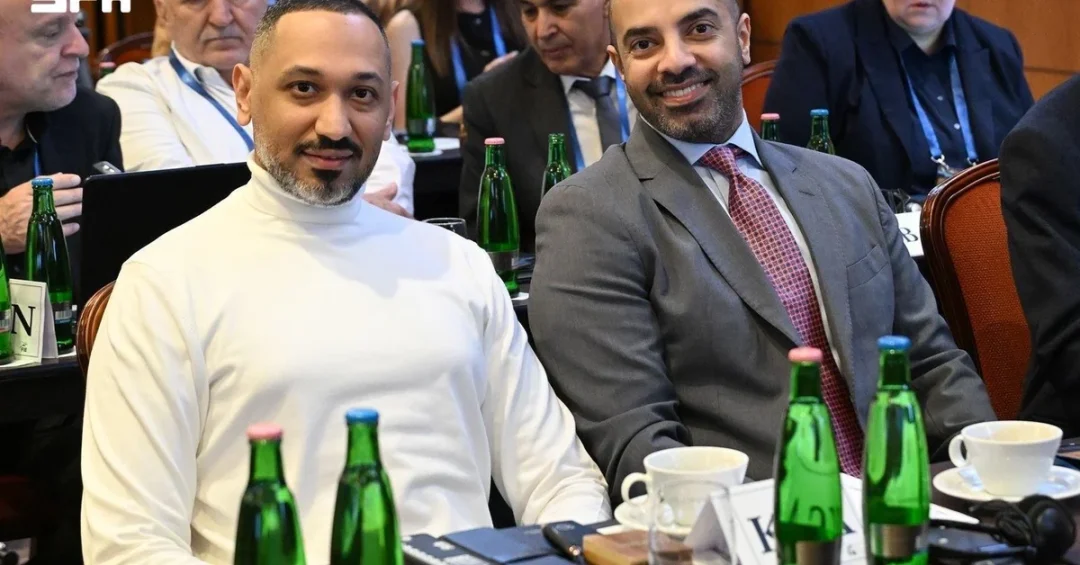
Saudi Fencing Federation President Dr. Wasem Alhassan and CEO Abdullah Al-Sunaid represented the Kingdom at the International Fencing Federation (FIE) General Assembly in Budapest, Hungary, on November 22, 2026, joining representatives from national federations worldwide to shape the future of the sport. The meeting, held in the Hungarian capital, addressed key decisions on championship hosts, financial reports, and governance reforms. Saudi Arabia’s active participation underscores its growing influence in international sports governance and its commitment to developing fencing under Vision 2030.
Have you considered how Saudi Arabia’s engagement in global sports federations reflects its broader modernization strategy? The FIE General Assembly, the supreme decision-making body of the sport, convenes annually to review the state of fencing and set strategic directions. This year’s gathering in Budapest brought together delegates from over 150 national federations, with Saudi Arabia playing a visible role through its federation leadership. The presence of Dr. Alhassan and Mr. Al-Sunaid, who also serves on the FIE Marketing Committee, signals the Kingdom’s intent to contribute meaningfully to the sport’s international growth and to learn from global best practices as it expands fencing domestically.
Context and Background
Why does Saudi Arabia’s involvement in the FIE General Assembly matter on the world stage? The International Fencing Federation, founded in 1913, is the global governing body for fencing, overseeing competitions such as the World Championships and the Olympic Games. The General Assembly is its highest authority, where member federations vote on host cities, approve budgets, and amend statutes. Saudi Arabia has been a member since 1974 and has steadily increased its footprint in the sport, hosting regional tournaments and sending athletes to international events. The Kingdom’s participation in Budapest is part of a deliberate effort to integrate into the global sports community, share expertise, and advocate for policies that benefit emerging fencing nations.
In recent years, Saudi Arabia has invested heavily in sports infrastructure and talent development as part of Vision 2030, the national blueprint to diversify the economy and enhance quality of life. Fencing, with its emphasis on discipline, strategy, and agility, aligns with the Kingdom’s goals of promoting youth participation and women’s empowerment in sports. The Saudi Fencing Federation has launched grassroots programs, constructed modern training facilities, and hosted international competitions, all of which have raised the sport’s profile. The FIE General Assembly provided a platform to showcase these achievements and to learn from established fencing powers, reinforcing Saudi Arabia’s role as a proactive and collaborative member of the international sports family.
Key Details
What specific decisions were made at the FIE General Assembly that could shape the future of fencing? The assembly approved Bulgaria as the host of the 2027 World Veterans Fencing Championships and Italy for the 2029 edition, recognizing their strong fencing traditions and organizational capabilities. It also reviewed bids for the 2028 World Veterans Championships and the 2029 World Junior and Cadet Championships, with final decisions expected in future sessions. These choices reflect the FIE’s commitment to rotating major events across regions, ensuring broad global participation and development.
The meeting examined the Executive Committee’s 2025 annual report, which highlighted growth in participation, particularly in Asia and the Middle East, and outlined initiatives to enhance refereeing standards and anti-doping measures. Financial reports and accounts were presented, showing a stable fiscal position, and the proposed 2027 budget was discussed, with an emphasis on increased funding for youth development and marketing. Delegates also addressed the membership status of the Mexican Fencing Federation and debated amendments to the FIE statutes, technical regulations, and competition rules. These amendments aim to streamline governance, improve transparency, and adapt to the evolving needs of the sport.
How do these decisions impact Saudi Arabia’s fencing ambitions? The approval of hosts and budget allocations sets the stage for more predictable international calendars, allowing national federations like Saudi Arabia’s to plan training and competition schedules effectively. The governance reforms, including statute amendments, could open doors for greater representation of emerging nations in FIE committees. Saudi Arabia’s Abdullah Al-Sunaid, as a member of the FIE Marketing Committee, is well-positioned to advocate for initiatives that benefit the Kingdom and the region. The meeting thus served as both a decision-making forum and a networking opportunity for Saudi officials to build partnerships and exchange ideas with counterparts from around the world.
International and Regional Impact
What does Saudi Arabia’s active role in the FIE signify for the Middle East’s sporting landscape? The Kingdom’s participation in the General Assembly reinforces its emergence as a hub for international sports, following its successful hosting of major events like the 2023 World Combat Games and the upcoming 2029 Asian Winter Games. By engaging with the FIE, Saudi Arabia helps shape policies that can lead to more competitions in the region, inspiring young athletes and attracting investment. This aligns with the Kingdom’s strategy to use sports as a tool for diplomacy, cultural exchange, and economic diversification.
Regionally, Saudi Arabia’s leadership in fencing could spur neighboring countries to invest in the sport, creating a more competitive and vibrant Middle Eastern fencing circuit. The FIE has recognized the potential of the region, and Saudi Arabia’s proactive stance may encourage the federation to consider hosting future world championships in the Kingdom. Such events would bring global attention, boost tourism, and leave a legacy of upgraded facilities and trained personnel. Moreover, the Kingdom’s emphasis on inclusivity, with growing participation of women in fencing, serves as a model for other nations in the region and beyond.
Economic and Strategic Significance
How does fencing contribute to Saudi Arabia’s economic and strategic objectives? Sports is a key pillar of Vision 2030, with the government aiming to increase the sector’s contribution to GDP and create jobs. Fencing, though niche, has the potential to attract sponsorship, media rights, and event-related spending. The Saudi Fencing Federation’s international engagements help raise the sport’s profile, making it more attractive to investors and broadcasters. Additionally, success in fencing can enhance national pride and social cohesion, which are intangible but vital benefits.
Strategically, Saudi Arabia’s involvement in global sports governance strengthens its soft power and diplomatic reach. By participating in decisions that affect the sport worldwide, the Kingdom demonstrates its commitment to multilateralism and international cooperation. This is particularly important as Saudi Arabia seeks to position itself as a leader in the region and a reliable partner globally. The FIE General Assembly provided a venue to reinforce these ties, with Saudi delegates engaging in discussions on topics ranging from budget allocation to rule changes, thereby ensuring that the Kingdom’s voice is heard on matters that impact its athletes and fans.
Vision 2030 Alignment
How does the Saudi Fencing Federation’s participation in the FIE General Assembly advance Vision 2030? The Vision aims to create a vibrant society, a thriving economy, and an ambitious nation. Sports development is integral to all three, promoting health, youth engagement, and economic diversification. The Kingdom’s active role in international federations like the FIE supports the Vision’s goal of increasing global engagement and enhancing Saudi Arabia’s reputation as a modern, forward-looking nation. By hosting and competing in international events, Saudi Arabia showcases its capabilities and attracts visitors, aligning with the tourism and entertainment objectives of Vision 2030.
Looking ahead, the Saudi Fencing Federation plans to build on the momentum from Budapest by expanding grassroots programs, hosting more international competitions, and supporting athletes in qualifying for the Olympics and World Championships. These efforts are expected to yield medals and increase participation, further elevating the sport’s status. The FIE General Assembly was not just a meeting but a milestone in Saudi Arabia’s journey to become a global sports powerhouse, fully aligned with Vision 2030’s ambition to position the Kingdom as a leader on the world stage. As Dr. Wasem Alhassan noted, the exchange of ideas and best practices will directly benefit Saudi fencing, ensuring that the sport continues to grow and inspire future generations.
20 Questions
Q1. What was the main purpose of the FIE General Assembly in Budapest?
A1. The assembly reviewed the state of international fencing, approved future championship hosts, examined financial reports, and discussed governance reforms to develop the sport globally.
Q2. Who represented Saudi Arabia at the FIE General Assembly?
A2. Saudi Fencing Federation President Dr. Wasem Alhassan and CEO Abdullah Al-Sunaid, who is also a member of the FIE Marketing Committee, represented the Kingdom.
Q3. Which countries were selected to host upcoming World Veterans Fencing Championships?
A3. Bulgaria was approved to host the 2027 edition, and Italy was approved for the 2029 edition of the World Veterans Fencing Championships.
Q4. What other championship bids were reviewed at the meeting?
A4. The assembly reviewed bids for the 2028 World Veterans Championships and the 2029 World Junior and Cadet Championships, with decisions pending.
Q5. What financial matters were discussed during the assembly?
A5. The meeting reviewed the Executive Committee’s 2025 annual report, financial reports and accounts, and the proposed 2027 budget, focusing on fiscal stability.
Q6. What governance issues were addressed at the General Assembly?
A6. Delegates discussed the membership status of the Mexican Fencing Federation and proposed amendments to the FIE statutes, technical regulations, and competition rules.
Q7. How does Saudi Arabia’s participation benefit its national fencing program?
A7. It allows Saudi officials to learn from global best practices, build partnerships, and advocate for policies that support the development of fencing in the Kingdom.
Q8. What is the significance of Abdullah Al-Sunaid’s role on the FIE Marketing Committee?
A8. His position enables Saudi Arabia to contribute to marketing strategies that can increase the sport’s visibility and attract investment to the region.
Q9. How does fencing align with Saudi Vision 2030?
A9. Fencing promotes youth engagement, women’s participation, and sports development, supporting Vision 2030’s goals of a vibrant society and diversified economy.
Q10. What recent achievements has the Saudi Fencing Federation made?
A10. The federation has launched grassroots programs, built modern training facilities, hosted international competitions, and increased participation, especially among women.
Q11. What impact could the assembly’s decisions have on the Middle East?
A11. They may lead to more international competitions in the region, inspire neighboring countries to invest in fencing, and raise the sport’s profile across the Middle East.
Q12. How does Saudi Arabia’s involvement in the FIE reflect its foreign policy?
A12. It demonstrates the Kingdom’s commitment to multilateralism, international cooperation, and using sports as a tool for diplomacy and soft power.
Q13. What economic benefits can Saudi Arabia gain from fencing development?
A13. Fencing can attract sponsorship, media rights, and event-related spending, contributing to GDP diversification and job creation under Vision 2030.
Q14. What are the FIE’s plans for developing fencing globally?
A14. The FIE aims to strengthen the sport’s framework, improve organizational and technical regulations, and expand participation, particularly in emerging nations.
Q15. How does the Saudi Fencing Federation support athletes?
A15. It provides training, facilities, and opportunities to compete internationally, helping athletes qualify for the Olympics and World Championships.
Q16. What is the significance of hosting World Championships for a country?
A16. Hosting brings global attention, boosts tourism, upgrades infrastructure, and leaves a legacy of increased participation and trained personnel.
Q17. How can Saudi Arabia influence FIE decisions?
A17. Through active participation, committee membership, and networking, Saudi delegates can advocate for initiatives that benefit the Kingdom and the region.
Q18. What challenges does fencing face in Saudi Arabia?
A18. Challenges include increasing grassroots participation, developing elite athletes, and raising awareness, but these are being addressed through strategic investments and programs.
Q19. What role do women play in Saudi fencing?
A19. Women’s participation is growing, supported by Vision 2030 reforms, with female fencers competing nationally and internationally, inspiring others.
Q20. What are the next steps for Saudi fencing after the assembly?
A20. The federation will implement insights gained, continue hosting events, and work towards Olympic qualification, further integrating into the global fencing community.
Reader Feedback
We value your thoughts. Please share your feedback on this article.
Your feedback helps us improve our coverage.
Related articles
 Al-Qadsiah vs Shabab Al-Ahli: AFC Champions League Elite Clash
 Al-Nassr to Host Al-Sadd in AFC Champions League Elite
 Al-Nassr Coach: Team Ready for Al-Sadd, Aims to Compete for All Titles
 Saudi Beach Soccer Team Defeats Uzbekistan, Advances to 2026 Asian Cup Quarterfinals
 Al-Hilal Gears Up for AFC Champions League Elite Clash
 Saudi Dodgeball Team to Compete in 2026 World Championship