


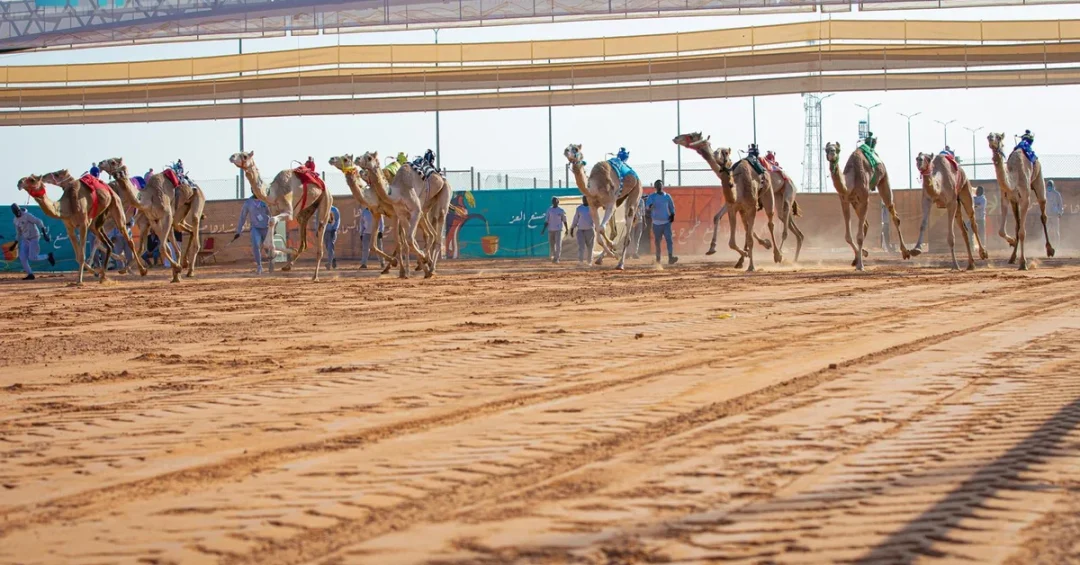
Saudi women are increasingly participating in camel racing, a development highlighted by Dr. Latifa bint Mutlaq Al-Adwani, Head of the Taif History Center, in a press release issued yesterday. This milestone reflects the Kingdom’s broader efforts to empower women across all sectors, aligning with the visionary leadership of the Crown Prince and the goals of Saudi Vision 2030. The announcement came as Saudi Arabia celebrates the Crown Prince Camel Festival, underscoring the sport’s deep cultural roots and its modern evolution.
Context and Background
Camel racing has been a cherished tradition in Saudi Arabia for centuries, dating back to the era of the founder, King Abdulaziz. Historically, camels played a vital role in Arab life, serving as symbols of strength, chivalry, and courage. Competitions held in ancient markets like Okaz showcased the endurance and determination of these animals, and their cultural significance is immortalized in rock inscriptions and drawings across the Kingdom.
In recent years, camel racing has transformed from local and regional events into international competitions, drawing participants and spectators from around the world. This evolution reflects the sport’s enduring importance in Saudi society and its potential to bridge cultural heritage with contemporary global engagement.
Key Details
Dr. Al-Adwani attributed the growing involvement of Saudi women in camel racing to the unwavering support of the Kingdom’s leadership for women’s empowerment. She emphasized that this participation marks an important step toward greater involvement in various other sports, signaling a broader shift in societal norms and opportunities.
The Crown Prince Camel Festival serves as a platform to celebrate this progress, highlighting the Kingdom’s commitment to preserving cultural heritage while embracing modernization. Al-Adwani noted that camels have strengthened cultural heritage by being linked to authentic traditional values, and preserving these values is crucial for maintaining a strong social identity and supporting future aspirations.
Appreciation for camels is evident in the numerous inscriptions and rock drawings found throughout Saudi Arabia, which highlight the camel’s cultural and social importance in Arab society. These historical artifacts serve as a testament to the deep-rooted connection between camels and Saudi heritage.
Implications and Impact
The increasing participation of Saudi women in camel racing has significant implications for gender inclusivity in sports and society. It demonstrates the Kingdom’s progress in creating opportunities for women in fields traditionally dominated by men, aligning with Vision 2030’s goal of enhancing women’s participation in the workforce and public life.
On a regional and international level, this development showcases Saudi Arabia’s commitment to modernization and cultural preservation. It also enhances the Kingdom’s image as a forward-thinking nation that values both tradition and progress, potentially attracting more international interest and participation in camel racing events.
Furthermore, the involvement of women in this sport can inspire other sectors to follow suit, promoting diversity and inclusivity across various domains. It also reinforces the role of sports as a unifying force that transcends gender and cultural barriers.
Vision 2030 Alignment
This development is a clear reflection of Saudi Vision 2030’s objectives to empower women and promote their active participation in all spheres of life. By supporting women’s involvement in camel racing, the Kingdom not only honors its rich heritage but also paves the way for a more inclusive and dynamic future. As Saudi Arabia continues to advance its Vision 2030 agenda, such initiatives will play a crucial role in shaping a society that values equality, tradition, and progress, further solidifying the Kingdom’s position on the global stage.
20 Questions
Q1. Who is Dr. Latifa bint Mutlaq Al-Adwani?
A1. Dr. Latifa bint Mutlaq Al-Adwani is the Head of the Taif History Center. She highlighted Saudi women’s participation in camel racing and attributed it to the Kingdom’s leadership support for women’s empowerment.
Q2. What event marked the highlight of Saudi women’s participation in camel racing?
A2. The Crown Prince Camel Festival marked the highlight, celebrating the growing involvement of Saudi women in the sport and underscoring its cultural significance and modern evolution.
Q3. When did the press release about Saudi women in camel racing occur?
A3. The press release was issued on September 4, 2024, by the Saudi Press Agency, featuring comments from Dr. Latifa bint Mutlaq Al-Adwani about women’s participation in camel racing.
Q4. What is the historical significance of camel racing in Saudi Arabia?
A4. Camel racing dates back to the era of King Abdulaziz and earlier, symbolizing strength and chivalry. It evolved from local events to international competitions, reflecting deep cultural roots in Saudi society.
Q5. How have camels contributed to Saudi cultural heritage?
A5. Camels have been central to Arab life since pre-Islamic times, featured in markets like Okaz and depicted in rock inscriptions. They symbolize endurance, determination, and traditional values in Saudi heritage.
Q6. What role did the Kingdom’s leadership play in women’s camel racing participation?
A6. The leadership provided unwavering support for empowering women in all fields, enabling their participation in camel racing as a step toward broader involvement in sports and society.
Q7. Why is women’s participation in camel racing important for Saudi Arabia?
A7. It signifies progress in gender inclusivity, aligning with Vision 2030 goals. This participation promotes diversity, preserves cultural heritage, and showcases the Kingdom’s commitment to modernization and women’s empowerment.
Q8. How does camel racing reflect Saudi Vision 2030?
A8. It aligns with Vision 2030 by empowering women and promoting their active roles in society. The sport bridges tradition with modernity, supporting objectives for inclusive growth and global engagement.
Q9. What are some historical competitions related to camels in Saudi Arabia?
A9. Historical competitions were held in major markets like Okaz, showcasing camel endurance and determination. These events were symbols of strength and courage among pre-Islamic Arabs.
Q10. Where can evidence of camels’ cultural importance be found in Saudi Arabia?
A10. Evidence is found in inscriptions and rock drawings throughout the Kingdom, highlighting the camel’s cultural and social importance in Arab society and its enduring legacy.
Q11. How has camel racing evolved over time in Saudi Arabia?
A11. Camel racing evolved from local and regional events to international competitions, underscoring its profound cultural significance and adaptation to modern times while preserving traditional values.
Q12. What did Dr. Al-Adwani say about preserving traditional values?
A12. She emphasized that preserving and developing authentic traditional values is crucial for maintaining a strong social identity, demonstrating loyalty, and supporting future aspirations in Saudi society.
Q13. What impact does women’s participation have on Saudi sports?
A13. It opens doors for greater involvement in various sports, promoting inclusivity and diversity. This shift inspires other sectors and reinforces sports as a unifying force in the Kingdom.
Q14. How does the Crown Prince Camel Festival contribute to Saudi culture?
A14. The festival celebrates camel racing’s cultural significance, highlighting the Kingdom’s commitment to heritage while embracing modernization and providing a platform for women’s participation in the sport.
Q15. What international implications arise from Saudi women in camel racing?
A15. It enhances Saudi Arabia’s image as a forward-thinking nation, attracting international interest and showcasing the Kingdom’s progress in gender inclusivity and cultural preservation on a global stage.
Q16. Who supported the empowerment of Saudi women in camel racing?
A16. The Kingdom’s leadership provided unwavering support, enabling women’s participation as part of broader efforts to empower them in all fields and align with Vision 2030 objectives.
Q17. What is the significance of Okaz in camel racing history?
A17. Okaz was a major market where specialized camel competitions were held, showcasing endurance and determination. It symbolizes the sport’s deep roots in pre-Islamic Arab culture and heritage.
Q18. How do rock drawings highlight camels’ importance in Saudi Arabia?
A18. Rock drawings throughout the Kingdom depict camels, illustrating their cultural and social importance in Arab society. They serve as historical evidence of the camel’s enduring legacy and role in Saudi heritage.
Q19. What future aspirations does camel racing support in Saudi Arabia?
A19. Camel racing supports aspirations for a strong social identity, loyalty, and future growth. It aligns with Vision 2030 by promoting inclusivity, preserving heritage, and enhancing global engagement through sports.
Q20. How does women’s camel racing participation reflect Saudi leadership?
A20. It reflects the leadership’s commitment to empowering women and modernizing society while preserving tradition. This initiative showcases Saudi Arabia’s progress and alignment with Vision 2030 goals for inclusive development.
Reader Feedback
We value your thoughts. Please share your feedback on this article.
Your feedback helps us improve our coverage.