


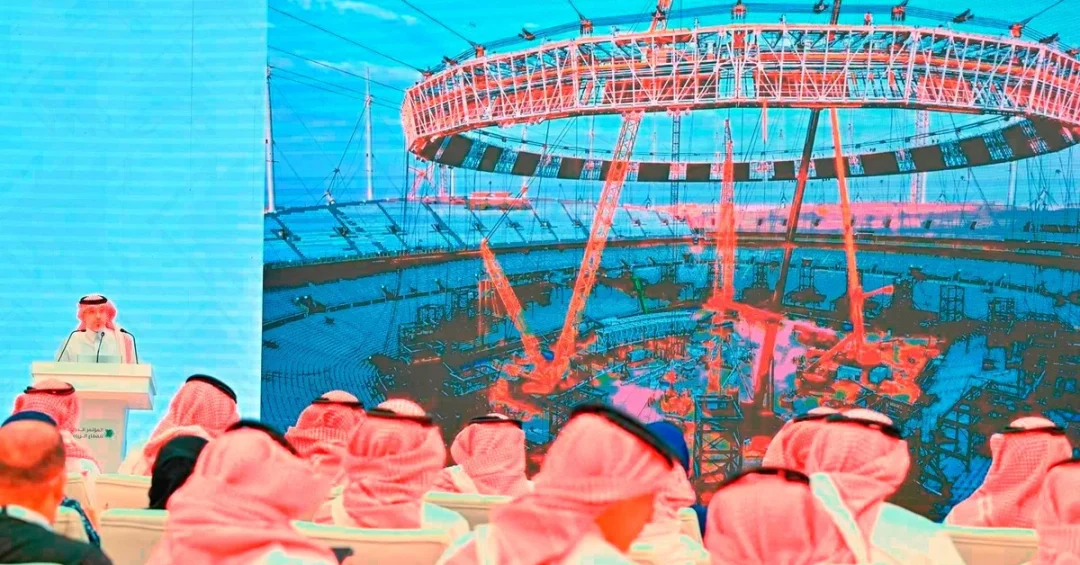
The regular conference of the sports sector, organized by the Ministry of Sport, convened in Riyadh on August 11, 2026, to review key achievements across the Kingdom’s sports system and discuss preparations for the upcoming season. The meeting, reported by the Saudi Press Agency (SPA), brought together officials to assess developments related to sports clubs, facilities, and infrastructure projects that are reshaping the Kingdom’s athletic landscape. The conference underscored Saudi Arabia’s commitment to building a world-class sports ecosystem, a central pillar of Vision 2030’s quality-of-life objectives. With the Kingdom preparing to host major international tournaments, including the 2027 AFC Asian Cup and the 2034 FIFA World Cup, the discussions highlighted the scale and ambition of the nation’s sports transformation.
How is Saudi Arabia positioning itself as a global sports hub, and what do these developments mean for the future of athletics in the region? The conference provided a comprehensive overview of progress, from stadium upgrades to commercial revenue initiatives, signaling a new era for Saudi sports. The Ministry of Sport, under the leadership of Minister Prince Abdulaziz bin Turki Al-Faisal, has been instrumental in driving these initiatives, aligning them with the broader goals of Vision 2030 to diversify the economy and enhance the Kingdom’s international standing. This article examines the key outcomes of the conference and their implications for Saudi Arabia and the wider region.
Context and Background
What has driven Saudi Arabia’s rapid transformation in the sports sector over the past decade? The Kingdom’s sports strategy is rooted in Vision 2030, launched in 2016 by Crown Prince Mohammed bin Salman, which aims to increase household spending on sports and recreation from 2.9% to 6% by 2030. The Ministry of Sport has been at the forefront of this effort, implementing programs to develop talent, upgrade facilities, and attract global events. The regular conference serves as a platform to monitor progress and coordinate efforts across various stakeholders, including clubs, federations, and government entities. The August 2026 meeting reflects the maturity of this approach, focusing on tangible achievements and future preparations.
The conference comes at a pivotal moment as Saudi Arabia prepares to host the 2027 AFC Asian Cup and the 2034 FIFA World Cup. These tournaments will require state-of-the-art infrastructure and operational excellence, prompting significant investments in stadiums and related facilities. The Ministry of Sport has partnered with the Ministry of Education and other agencies to ensure that venues meet international standards. The completion of the Imam Mohammad Ibn Saud University Stadium, with a capacity exceeding 25,000 seats, exemplifies this collaboration. Such projects not only serve as competition venues but also as community assets that promote sports participation at the grassroots level.
Historically, Saudi Arabia has been a regional sports powerhouse, particularly in football, with clubs like Al Hilal and Al Nassr enjoying large fan bases. However, the current phase of development is unprecedented in its scope and ambition. The Kingdom is not only upgrading existing facilities but also building new ones, such as the planned stadiums for the 2034 World Cup. The conference reviewed the achievements of the Clubs Support Strategy Program, launched to enhance the financial sustainability and competitiveness of Saudi clubs. This program, along with initiatives to increase commercial revenues, is designed to create a self-sustaining sports ecosystem that can compete globally.
Key Details
What specific achievements were highlighted during the conference, and how will they impact the sports sector? The conference confirmed the completion of the Imam Mohammad Ibn Saud University Stadium, developed in cooperation with the Ministry of Education. This facility, with a capacity of more than 25,000 seats, represents a significant addition to the Kingdom’s sports infrastructure. It is expected to host university competitions, community events, and potentially professional matches, thereby fostering greater engagement with sports among young people. The stadium’s development underscores the Ministry of Sport’s commitment to integrating educational institutions into the national sports framework.
Regarding King Fahd International Stadium in Riyadh, the conference stated that development work is underway, with the first phase focused on preparing the venue to host the 2027 AFC Asian Cup. The second phase will involve upgrades announced by FIFA in preparation for the 2034 FIFA World Cup. This phased approach ensures that the stadium remains functional while being enhanced to meet the highest international standards. The conference added that most stadiums designated to host World Cup matches will be built to the highest standards and specifications, and several existing technologies will be used for the first time at King Fahd International Stadium. These technologies are likely to include advanced pitch management systems, crowd control innovations, and sustainable energy solutions, reflecting Saudi Arabia’s commitment to innovation.
The conference also reviewed the achievements of the Clubs Support Strategy Program since its launch and the initiative to increase commercial revenues, which includes revenues generated from commercial activities and sponsorships. This program has been pivotal in improving the financial health of Saudi clubs, enabling them to invest in talent, infrastructure, and fan engagement. The initiative to boost commercial revenues aligns with the broader goal of making Saudi clubs financially independent and competitive on the Asian and global stages. The conference highlighted that these efforts have already yielded positive results, with increased sponsorship deals and matchday revenues across the league.
International and Regional Impact
How will Saudi Arabia’s sports investments influence the regional and global sports landscape? The Kingdom’s ambitious plans are already having a ripple effect across the Middle East and beyond. By hosting major tournaments like the 2027 AFC Asian Cup and the 2034 FIFA World Cup, Saudi Arabia is positioning itself as a premier destination for global sports. This not only enhances the Kingdom’s international image but also stimulates economic growth through tourism, hospitality, and related sectors. Regional neighbors are watching closely, with some seeking to emulate Saudi Arabia’s model of sports-driven development. The conference’s emphasis on infrastructure and commercial revenue generation sends a clear signal that Saudi Arabia is serious about becoming a global sports hub.
On the international stage, the upgrades to King Fahd International Stadium and the construction of new venues will set new benchmarks for stadium design and fan experience. The use of cutting-edge technologies, as mentioned in the conference, will be closely observed by global sports bodies and other host nations. FIFA’s involvement in the 2034 World Cup preparations underscores the confidence the international community has in Saudi Arabia’s ability to deliver world-class events. Moreover, the Kingdom’s growing presence in global sports, from football to motorsports and entertainment, is reshaping perceptions and fostering cultural exchange. The conference’s outcomes reinforce Saudi Arabia’s role as a bridge between East and West, using sports as a tool for diplomacy and soft power.
Economic and Strategic Significance
What economic benefits are expected from these sports developments, and how do they align with Saudi Arabia’s strategic goals? The sports sector is a key contributor to Vision 2030’s economic diversification agenda. According to official estimates, the sports industry is projected to contribute significantly to GDP and create thousands of jobs in areas such as event management, sports tourism, and facility operations. The Clubs Support Strategy Program and commercial revenue initiatives are designed to attract private investment, reduce reliance on government funding, and build a sustainable sports economy. The conference’s review of these programs indicates that they are on track to meet their targets, with clubs reporting improved financial performance and increased fan engagement.
Strategically, the development of sports infrastructure is part of a broader effort to enhance the Kingdom’s soft power and global influence. By hosting major events, Saudi Arabia can showcase its modernization, hospitality, and organizational capabilities. The 2034 FIFA World Cup, in particular, is expected to be a transformative event, drawing millions of visitors and generating substantial economic activity. The conference’s focus on technology and innovation in stadium development also aligns with the Kingdom’s push to become a leader in smart cities and sustainable urban development. These projects create opportunities for Saudi youth, who are being trained to manage and operate world-class facilities, thereby building a skilled workforce for the future.
Vision 2030 Alignment
How does the sports sector conference reflect the broader objectives of Vision 2030? The conference’s outcomes are a testament to the Kingdom’s unwavering commitment to Vision 2030, which seeks to create a vibrant society, a thriving economy, and an ambitious nation. Sports are a crucial component of this vision, promoting healthy lifestyles, national pride, and international engagement. The Ministry of Sport’s initiatives, from stadium upgrades to club support programs, are directly contributing to the vision’s targets, including increasing sports participation and hosting global events. The completion of the Imam Mohammad Ibn Saud University Stadium and the ongoing work at King Fahd International Stadium are tangible examples of progress.
As Saudi Arabia continues its journey toward 2030, the sports sector will play an increasingly important role in shaping the nation’s identity and global standing. The conference demonstrated that the Kingdom is not only meeting its goals but exceeding expectations, with infrastructure and programs that rival the best in the world. The upcoming tournaments will provide a platform to showcase Saudi Arabia’s achievements to a global audience, reinforcing its position as a leader in sports and beyond. With sustained investment and strategic planning, the Kingdom is well on its way to becoming a global sports powerhouse, inspiring a new generation of athletes and fans. The future of Saudi sports has never looked brighter.
20 Questions
Q1. What was the main purpose of the sports sector conference held in Riyadh?
A1. The conference, organized by the Ministry of Sport, aimed to discuss developments related to sports clubs, facilities, and preparations for the upcoming season, while highlighting key achievements across various programs supporting the sports sector in Saudi Arabia.
Q2. When and where was the sports sector conference held?
A2. The conference was held in Riyadh on August 11, 2026, as reported by the Saudi Press Agency. It brought together officials to review progress and coordinate efforts for the future of Saudi sports.
Q3. Which stadium’s completion was confirmed at the conference?
A3. The conference confirmed the completion of the Imam Mohammad Ibn Saud University Stadium, developed in cooperation with the Ministry of Education. The stadium now has a capacity of more than 25,000 seats.
Q4. What is the capacity of the newly completed Imam Mohammad Ibn Saud University Stadium?
A4. The stadium has increased its capacity to more than 25,000 seats, making it a significant addition to Saudi Arabia’s sports infrastructure and a venue capable of hosting various events.
Q5. What development work is underway at King Fahd International Stadium?
A5. King Fahd International Stadium in Riyadh is undergoing development work. The first phase focuses on preparing the venue for the 2027 AFC Asian Cup, while the second phase will involve upgrades announced by FIFA for the 2034 FIFA World Cup.
Q6. What is the significance of the first phase of development at King Fahd International Stadium?
A6. The first phase is significant as it prepares the stadium to host the 2027 AFC Asian Cup, a major continental tournament that will showcase Saudi Arabia’s ability to organize world-class sporting events.
Q7. What will the second phase of development at King Fahd International Stadium entail?
A7. The second phase will focus on upgrades announced by FIFA in preparation for the 2034 FIFA World Cup. This includes enhancements to meet the highest international standards and specifications for hosting World Cup matches.
Q8. How will the stadiums for the 2034 FIFA World Cup be built?
A8. Most of the stadiums designated to host World Cup matches will be built to the highest standards and specifications, ensuring they meet FIFA’s requirements and provide an exceptional experience for players and fans.
Q9. What new technologies will be used at King Fahd International Stadium?
A9. Several existing technologies will be used for the first time at King Fahd International Stadium. These innovations are expected to enhance pitch management, crowd control, sustainability, and the overall fan experience.
Q10. What did the conference review regarding the Clubs Support Strategy Program?
A10. The conference reviewed the achievements of the Clubs Support Strategy Program since its launch, noting its role in improving the financial sustainability and competitiveness of Saudi clubs, and its contribution to the overall development of the sports sector.
Q11. What is the initiative to increase commercial revenues mentioned at the conference?
A11. The initiative aims to boost revenues generated from commercial activities and sponsorships. It is designed to make Saudi clubs financially independent and competitive, attracting private investment and reducing reliance on government funding.
Q12. How does the conference reflect Saudi Arabia’s commitment to Vision 2030?
A12. The conference reflects Vision 2030’s goals by promoting sports as a key sector for economic diversification, job creation, and international engagement. It showcases tangible progress in infrastructure and programs that align with the vision’s objectives.
Q13. What role does the Ministry of Education play in sports infrastructure development?
A13. The Ministry of Education cooperated in developing the Imam Mohammad Ibn Saud University Stadium, demonstrating cross-ministerial collaboration to integrate educational institutions into the national sports framework and promote youth participation.
Q14. How will the 2027 AFC Asian Cup benefit Saudi Arabia?
A14. Hosting the 2027 AFC Asian Cup will enhance Saudi Arabia’s international image, stimulate economic activity through tourism and hospitality, and showcase the Kingdom’s ability to organize major sporting events successfully.
Q15. What is the expected impact of the 2034 FIFA World Cup on Saudi Arabia?
A15. The 2034 FIFA World Cup is expected to be transformative, drawing millions of visitors, generating substantial economic activity, and reinforcing Saudi Arabia’s position as a global sports hub and a leader in event management.
Q16. How are Saudi clubs benefiting from the commercial revenue initiative?
A16. Saudi clubs are benefiting through increased sponsorship deals and matchday revenues, which enable them to invest in talent, infrastructure, and fan engagement, ultimately making them more competitive on regional and global stages.
Q17. What does the conference indicate about the future of Saudi sports?
A17. The conference indicates a bright future for Saudi sports, with sustained investment, strategic planning, and a clear focus on infrastructure, innovation, and commercial growth positioning the Kingdom as a global sports powerhouse.
Q18. How does the sports sector contribute to Saudi Arabia’s economy?
A18. The sports sector contributes to economic diversification by creating jobs, attracting private investment, and boosting tourism. It is projected to contribute significantly to GDP, aligning with Vision 2030’s economic goals.
Q19. What role does technology play in Saudi Arabia’s stadium development?
A19. Technology plays a crucial role, with new systems for pitch management, crowd control, and sustainability being introduced. These innovations enhance the fan experience and set new benchmarks for stadium design globally.
Q20. What message does the conference send to the international community?
A20. The conference sends a message that Saudi Arabia is serious about becoming a global sports leader, with world-class infrastructure, innovative programs, and a commitment to hosting major events that showcase its modernization and hospitality.
Reader Feedback
We value your thoughts. Please share your feedback on this article.
Your feedback helps us improve our coverage.
Related articles
 Saudi Camel Sports to Host Arab Rounds at 2026 Crown Prince Festival
 Sport Ministry Launches New Sport Clubs Support Strategy
 Liverpool Sign Ronald Araujo on Loan from Barcelona
 Saudi Ministry of Sport Launches 2026-2027 Club Support Strategy
 Sports Boulevard Launches SAR 700M Real Estate Fund
 Esports World Cup in Paris Unites Global Fans Through Gaming