


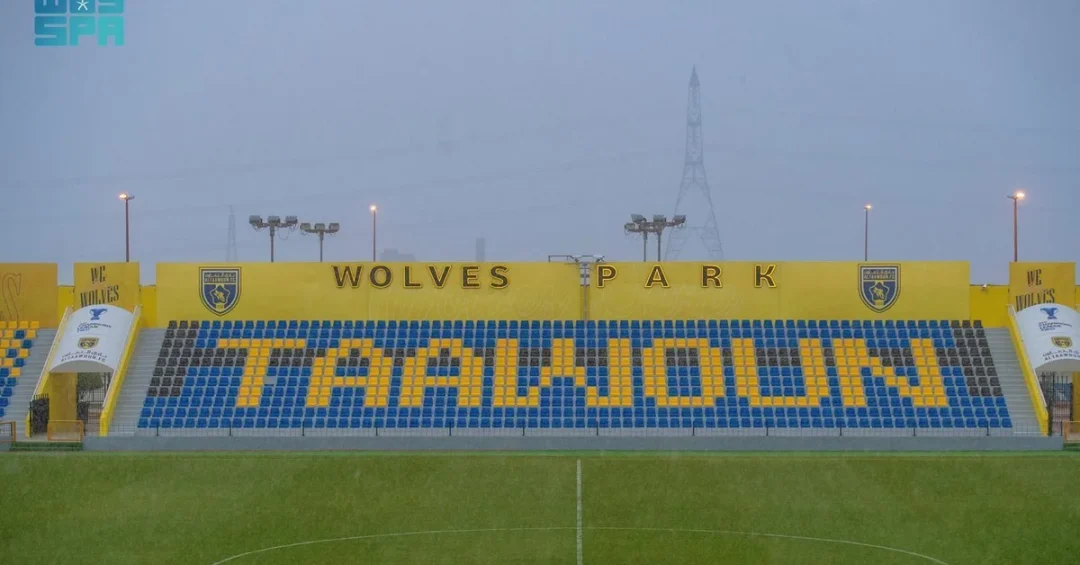
Saudi Arabia’s Ministry of Sport is pressing ahead with a sweeping programme to modernise sports infrastructure across the Kingdom, transforming stadiums and club facilities into fully integrated sports cities capable of hosting the world’s biggest events. The initiative, first launched in 2020 and confirmed in an official update carried by the Saudi Press Agency, covers comprehensive upgrades to venues in multiple regions and governorates, from advanced lighting and pitch refurbishment to upgraded media zones, referee facilities and spectator entrances. The work is overseen by the ministry’s agency for sport facilities, which frames infrastructure as the cornerstone of the Kingdom’s ambition to become a global destination for sport.
For an international audience, the scale of the programme matters. Saudi Arabia has already staged major international events, from Formula 1 and top-tier boxing to football and motorsport fixtures, and it is preparing to host the 2034 FIFA World Cup. The Ministry of Sport’s development drive is designed to make sure every venue, whether a flagship stadium or a club training centre, meets the standards that global federations, broadcasters and fans now expect. Is it any wonder that infrastructure has become one of the most closely watched pillars of the Kingdom’s sporting transformation?
Context and Background
Why does a country with some of the world’s most modern new stadiums need to keep upgrading older ones? The answer lies in the breadth of Saudi football and the ministry’s determination that development should reach every governorate, not just the biggest cities. The Ministry of Sport’s agency for sport facilities has been working since 2020 on projects that upgrade existing venues and convert them into vibrant sports cities, complete with the amenities and technology that modern events demand. This is not a single construction push but a rolling programme of renovation, maintenance and enhancement.
Under the programme, the ministry has focused on stadiums that serve as club headquarters, along with their associated training centres. Work has ranged from installing state-of-the-art lighting to refurbishing players’ rooms, media areas and referee accommodations. Spectator zones and entrances have received particular attention, with the aim of delivering an excellent matchday experience at every stadium. The ministry has also treated infrastructure as the foundation of each project, upgrading sound systems, alarm and monitoring systems, VIP facilities, athletic tracks and playing surfaces, while installing modern score screens and replacing substitutes’ bench areas.
These efforts sit within a wider national strategy. The Ministry of Sport has set ambitious objectives to align facility development with its overall plan to propel the sports sector forward, raising the readiness of venues so they can be used for the Kingdom’s expanding calendar of major international events. In practice, that means the same stadiums must be able to host domestic league fixtures, continental club competitions, concerts and cultural gatherings without compromising quality or safety. How many countries can claim to be rebuilding an entire sporting ecosystem in a single decade?
Key Details of the Development Programme
The ministry’s update, released through the Saudi Press Agency, describes a programme that is as much about finer details as headline structures. Projects have covered the upkeep of athletic tracks and the refurbishment of numerous stadium grounds within sports cities and club headquarters. Modern, cutting-edge score screens have been installed, and substitutes’ bench areas replaced, ensuring that matchday presentation meets international broadcast standards. Lighting technology has been integrated across venues, while sound systems and alarm and monitoring systems have been enhanced to improve safety and the overall event experience.
Attention has also been directed at the people who make events possible. Players’ rooms, media zones and referee accommodations have been upgraded, reflecting an understanding that elite sport depends on professional facilities for athletes, officials and the press alike. Spectator areas and entrances have been meticulously prepared, part of an effort to make every visit to a Saudi stadium comfortable, safe and memorable. The ministry’s agency for sport facilities continues to forge ahead with these projects, treating each venue as part of a connected network rather than an isolated asset.
Beyond bricks and mortar, the programme aims to enrich the sports environment within each facility. That includes improving audience engagement experiences and the quality of television broadcasts, which in turn strengthens the market value of local competitions. Better broadcasts and fuller stadiums make Saudi leagues more attractive to sponsors, investors and international audiences. The ministry has also emphasised positioning these facilities as hubs for investment and as flexible venues for sports, cultural and social events, extending their usefulness far beyond matchdays. What could be more valuable than infrastructure that works seven days a week for an entire community?
International and Regional Impact
Saudi Arabia’s infrastructure drive has clear implications beyond its borders. As the Kingdom prepares to host the 2034 FIFA World Cup, international football’s governing bodies and visiting teams will judge the country not only on its newest showpiece venues but on the overall standard of facilities nationwide. The Ministry of Sport’s programme addresses exactly that: raising the readiness of stadiums and training centres across regions and governorates so that hosting duties can be shared, and so that visiting squads find elite conditions wherever they are based.
Regionally, the upgrades reinforce Saudi Arabia’s position as a leading destination for sport in the Middle East. Neighbouring countries and international promoters looking for reliable, well-equipped venues increasingly see the Kingdom as a natural partner. The ministry’s focus on broadcast quality and audience experience also matters for global rights holders, who need consistent production standards across venues. By investing in these areas, Saudi Arabia is not just improving stadiums; it is strengthening its case for a bigger share of the international sporting calendar. Can any serious global sport strategy succeed without world-class facilities at its base?
Economic and Strategic Significance
The economic logic behind the programme is straightforward. Modern, well-maintained facilities attract more events, and more events attract more visitors, spending and media exposure. The ministry has explicitly linked its development goals to increasing the market value of local competitions and enhancing the Kingdom’s prospects of securing global hosting opportunities. Each upgraded stadium becomes an asset that can generate revenue through ticketing, hospitality, sponsorship and broadcasting, while also supporting local businesses in surrounding areas.
Strategically, the programme supports the diversification of the Saudi economy. Sport is a growing sector that creates jobs in event management, broadcasting, hospitality, security, maintenance and tourism. By preparing facilities to host a diverse array of sports, cultural and social events, the Ministry of Sport is helping to build an ecosystem that extends well beyond football. The emphasis on investment-friendly venues also opens doors for private-sector participation, aligning with national efforts to expand the role of the private sector in delivering public ambitions. Is there a clearer example of infrastructure serving both sport and economic transformation?
Vision 2030 Alignment
The Ministry of Sport’s infrastructure programme is a direct expression of Saudi Vision 2030, the national blueprint to diversify the economy, improve quality of life and project the Kingdom’s strengths globally. Vision 2030 identifies sport as a key contributor to a vibrant society and a thriving economy, and the development of sports cities, stadiums and training centres turns that vision into tangible assets. By upgrading venues in every region, the ministry is also supporting the goal of spreading opportunity and services across the country, not concentrating them in a handful of cities.
For international observers, the message is that Saudi Arabia’s sporting ambitions rest on patient, systematic investment. The programme that began in 2020 continues to evolve, with the ministry’s agency for sport facilities working through a long pipeline of upgrades, maintenance and technological improvements. As the Kingdom prepares for the world’s biggest football tournament and continues to attract global events, these facilities will be tested in the most public way possible. Will the world notice? The fans, broadcasters and athletes who visit Saudi stadiums in the coming years will provide the answer.
20 Questions
Q1. What is the Ministry of Sport’s main goal for sports infrastructure?
A1. The ministry aims to develop and upgrade sports facilities across Saudi regions so they are ready to host exemplary local and international events, in line with its broader strategy to advance the sports sector.
Q2. When did the ministry’s development projects begin?
A2. The projects were initiated in 2020 and continue today, spanning comprehensive upgrades to numerous facilities and their transformation into vibrant sports cities across the Kingdom.
Q3. Which agency oversees these infrastructure projects?
A3. The Ministry of Sport’s agency for sport facilities leads the work, managing upgrades to stadiums, club headquarters, training centres and associated amenities nationwide.
Q4. What kinds of venues are being upgraded?
A4. The programme covers stadiums serving as club headquarters, their training centres, sports cities, athletic tracks and stadium grounds across various Saudi regions and governorates.
Q5. What improvements have been made to stadium lighting?
A5. State-of-the-art lighting technologies have been integrated into venues, improving visibility for players, spectators and broadcasters during evening matches and major events.
Q6. How have spectator areas been enhanced?
A6. Spectator areas and entrances have been meticulously prepared to ensure a comfortable, safe and enjoyable matchday experience for all attendees at each stadium.
Q7. What upgrades were made for players and officials?
A7. Players’ rooms, media zones and referee accommodations have been enhanced, ensuring athletes, officials and journalists have professional facilities that meet international standards.
Q8. What safety systems were improved?
A8. Sound systems, alarm systems and monitoring systems were upgraded, strengthening safety and communication capabilities within stadiums and sports cities.
Q9. Were VIP facilities part of the programme?
A9. Yes. The refinement of VIP accommodations was included, alongside broader improvements to hospitality areas that support major events and visiting delegations.
Q10. What was done to playing surfaces and tracks?
A10. Projects included the upkeep of athletic tracks and the refurbishment of numerous stadium grounds within sports cities and club headquarters, maintaining high-quality surfaces.
Q11. How have score screens and benches been modernised?
A11. Modern, cutting-edge score screens have been installed and substitutes’ bench areas replaced, improving matchday presentation and the experience for teams and fans.
Q12. Why is broadcast quality a focus?
A12. Enhancing television broadcast quality raises the market value of local competitions and helps the Kingdom attract global hosting opportunities and international media partners.
Q13. How does this help local competitions?
A13. Better facilities and broadcasts boost the commercial appeal of Saudi leagues, attracting sponsors, investors and larger audiences both inside the Kingdom and abroad.
Q14. What investment benefits do upgraded venues bring?
A14. The ministry aims to position facilities as attractive hubs for investment, capable of hosting sports, cultural and social events that generate revenue and economic activity.
Q15. How does this support hosting global events?
A15. Raising the readiness of venues nationwide strengthens Saudi Arabia’s ability to host major international sporting events, including the 2034 FIFA World Cup.
Q16. Does the programme reach beyond major cities?
A16. Yes. Development spans various Saudi regions and governorates, ensuring clubs and communities across the country benefit from modern sports infrastructure.
Q17. What role do sports cities play?
A17. Sports cities serve as integrated hubs combining stadiums, training facilities and amenities, supporting both elite competition and community engagement throughout the year.
Q18. How does this align with Vision 2030?
A18. Vision 2030 promotes a vibrant society and thriving economy. Upgraded sports facilities support quality of life, economic diversification and Saudi Arabia’s global sporting profile.
Q19. What events could these facilities host?
A19. They are prepared for a diverse array of events spanning sports, cultural and social spheres, from football matches and athletics to concerts and community gatherings.
Q20. What is the long-term ambition of the programme?
A20. The ministry seeks to build a sustainable, world-class sports ecosystem that serves communities, attracts global events and contributes to the Kingdom’s economic transformation.
Reader Feedback
We value your thoughts. Please share your feedback on this article.
Your feedback helps us improve our coverage.
Related articles
 Saudi Arabia Wins First FIFAe World Cup Rocket League
 Cruz Azul and Fluminense Lead MAHD Intercontinental Championship
 Turki Alalshikh Wins WBC Man of the Year, Dedicates to Crown Prince
 Jump Saudi Week 2: 116 Riders from 24 Nations Compete
 Mahrez: Saudi Arabia Can Host a Great World Cup
 Saudi Team Gears Up for 26th Arabian Gulf Cup in Riyadh