


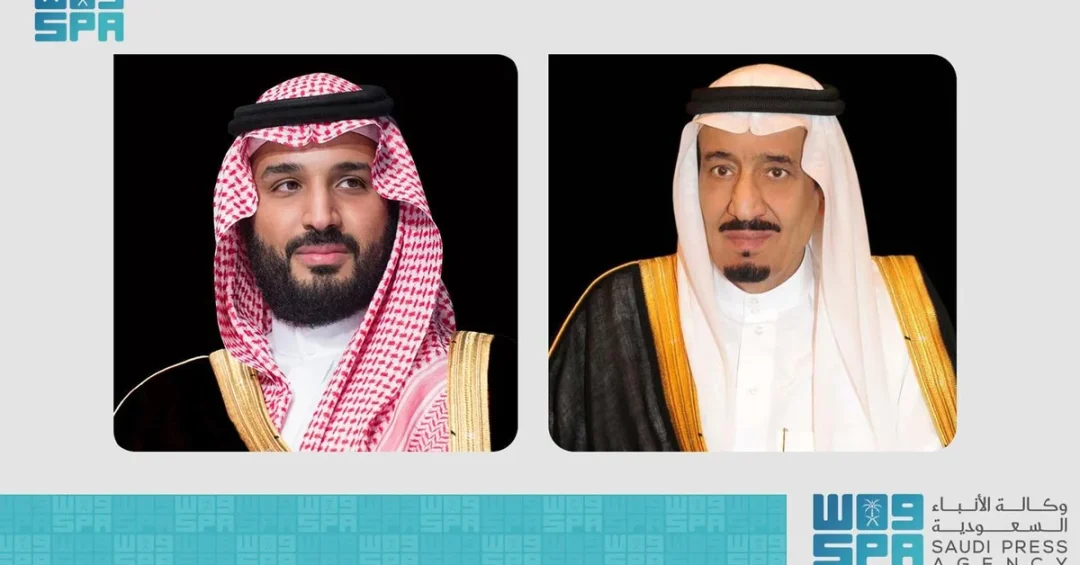
The rulers, crown princes, and deputy rulers of the United Arab Emirates have sent formal congratulatory cables to the Custodian of the Two Holy Mosques King Salman bin Abdulaziz Al Saud and His Royal Highness Prince Mohammed bin Salman bin Abdulaziz Al Saud, Crown Prince and Prime Minister, celebrating the Kingdom of Saudi Arabia’s historic success in securing the right to host the FIFA World Cup 2034. The messages, released through the Saudi Press Agency, represent a significant diplomatic gesture of solidarity from the UAE’s highest leadership circles and underscore the deep fraternal ties between the two Gulf nations. The congratulatory cables were dispatched on the occasion of FIFA’s official confirmation that Saudi Arabia will stage world football’s most prestigious tournament, a milestone that has resonated across the region and beyond.
The announcements came from the highest levels of the UAE’s federal and emirate leadership, reflecting the breadth of goodwill toward the Kingdom. Their Highnesses Sheikh Dr. Sultan bin Muhammad Al Qasimi, Member of the Supreme Council and Ruler of Sharjah; Sheikh Humaid bin Rashid Al Nuaimi, Member of the Supreme Council and Ruler of Ajman; Sheikh Hamad bin Mohammed Al Sharqi, Supreme Council Member and Ruler of Fujairah; Sheikh Saud bin Rashid Al Mualla, Supreme Council Member and Ruler of Umm Al Qaiwain; and Sheikh Saud bin Saqr Al Qasimi, Supreme Council Member and Ruler of Ras Al Khaimah each extended their congratulations to the Saudi leadership. Their messages conveyed pride in the Kingdom’s achievement and confidence in its ability to deliver an exceptional global sporting event. The coordination of these messages across all seven emirates signals a unified regional endorsement of Saudi Arabia’s growing role as a host of major international events.
Context and Background
Why does the confirmation of Saudi Arabia as host of the 2034 FIFA World Cup matter so profoundly, not only for the Kingdom but for the entire Gulf region? The answer lies in the scale of the achievement and the broader trajectory it represents. FIFA’s decision, announced following a comprehensive evaluation of Saudi Arabia’s bid, marks the first time the World Cup will be held in a single country across the Middle East on this scale. The tournament is expected to feature 48 teams and will be staged across multiple Saudi cities, showcasing the Kingdom’s modern infrastructure, hospitality sector, and organizational capacity to a global audience of billions.
The UAE’s congratulatory cables are consistent with a long tradition of consultation and mutual support among the Gulf Cooperation Council states. The UAE rulers and their deputies have regularly exchanged messages with Saudi leadership on occasions of national significance, reflecting the enduring bonds of kinship, shared heritage, and strategic alignment that define Saudi-Emirati relations. This latest exchange carries additional weight because it comes at a moment when Saudi Arabia is accelerating its transformation under Vision 2030, the comprehensive national reform program championed by Crown Prince Mohammed bin Salman. The World Cup hosting rights are widely regarded as a capstone achievement that validates the Kingdom’s investments in sports, tourism, and global engagement.
The timing of the UAE messages also highlights the regional consensus behind Saudi Arabia’s sporting ambitions. The Kingdom has hosted Formula 1 races, international golf tournaments, boxing championships, and the 2023 FIFA Club World Cup, building a track record that gave FIFA and the global football community confidence in its bid. The 2034 World Cup will require the construction of new stadiums, expansion of transportation networks, and development of hospitality infrastructure, all of which align with Vision 2030’s goals of economic diversification and global integration. The UAE’s early and enthusiastic endorsement reinforces the message that the Gulf stands together in welcoming the world.
Key Details of the Congratulatory Messages
What exactly did the UAE leaders say in their cables, and why does the level of representation matter? According to the Saudi Press Agency, the congratulatory messages were sent by the rulers of five emirates: Sharjah, Ajman, Fujairah, Umm Al Qaiwain, and Ras Al Khaimah. Each ruler addressed his cable to the Custodian of the Two Holy Mosques King Salman bin Abdulaziz Al Saud and to His Royal Highness Prince Mohammed bin Salman bin Abdulaziz Al Saud, Crown Prince and Prime Minister. The messages conveyed congratulations on the Kingdom’s success in hosting the FIFA World Cup 2034 and expressed pride in the achievement, which they described as a victory for the entire Arab and Islamic world.
In addition to the rulers, a second wave of cables came from crown princes and deputy rulers. Their Highnesses Sheikh Sultan bin Mohammed bin Sultan Al Qasimi, Crown Prince and Deputy Ruler of Sharjah; Sheikh Abdullah bin Salem bin Sultan Al Qasimi, Deputy Ruler of Sharjah; Sheikh Sultan bin Ahmed bin Sultan Al Qasimi, Deputy Ruler of Sharjah; Sheikh Ammar bin Humaid Al Nuaimi, Crown Prince of Ajman; Sheikh Nasser bin Rashid Al Nuaimi, Deputy Ruler of Ajman; Sheikh Mohammed bin Hamad bin Mohammed Al Sharqi, Crown Prince of Fujairah; Sheikh Rashid bin Saud bin Rashid Al Mualla, Crown Prince of Umm Al Quwain; and Sheikh Mohammed bin Saud bin Saqr Al Qasimi, Crown Prince of Ras Al Khaimah all sent similar messages to the Saudi leadership. The breadth of these communications, spanning multiple tiers of leadership across the emirates, demonstrates the depth of institutional and personal ties between the UAE and Saudi Arabia.
The cables were released through the Saudi Press Agency, the Kingdom’s official news authority, ensuring that the messages reached both domestic and international audiences. The use of formal diplomatic channels for such congratulations is standard practice among GCC states, but the volume and rank of the senders in this instance underscore the exceptional nature of the occasion. The World Cup hosting decision is not merely a sporting matter; it is a geopolitical and economic milestone that reinforces Saudi Arabia’s position as a regional leader and a global destination. The UAE’s rapid and unified response reflects a shared understanding of that significance.
International and Regional Impact
How will Saudi Arabia’s hosting of the 2034 FIFA World Cup reshape the regional landscape, and what role will neighboring countries play? The tournament is expected to draw millions of visitors to the Kingdom, creating unprecedented opportunities for cultural exchange, tourism, and business collaboration across the Gulf. The UAE, with its world-class airports, hospitality infrastructure, and strategic location, is likely to serve as a key gateway for fans traveling to Saudi Arabia. This interdependence highlights the complementary strengths of the two nations and the potential for coordinated regional planning around the event. The congratulatory cables can be seen as an early signal of that cooperation.
On the international stage, the World Cup will provide Saudi Arabia with an unmatched platform to showcase its modernization, cultural heritage, and economic dynamism. The Kingdom has already demonstrated its ability to host large-scale events, but the World Cup represents a quantum leap in scale and visibility. For the broader Middle East, the tournament offers an opportunity to challenge outdated perceptions and present a region defined by innovation, hospitality, and youth. The UAE’s endorsement amplifies this message, signaling that the Gulf’s leading states are aligned in their commitment to global engagement and mutual prosperity.
Economic and Strategic Significance
What economic benefits will flow from the World Cup, and how do they connect to Saudi Arabia’s long-term strategic goals? The tournament is projected to stimulate significant investment in infrastructure, including stadiums, hotels, transportation, and digital connectivity. These projects will create jobs, attract foreign direct investment, and accelerate the growth of the Kingdom’s tourism sector, which is a central pillar of Vision 2030. The event will also boost Saudi Arabia’s global brand, enhancing its appeal as a destination for business, leisure, and sporting events. The UAE’s congratulations reflect an understanding that a prosperous, outward-looking Saudi Arabia contributes to the stability and growth of the entire region.
Strategically, the World Cup reinforces Saudi Arabia’s leadership within the Gulf Cooperation Council and the broader Arab and Islamic world. By hosting the tournament, the Kingdom will strengthen its soft power and deepen its relationships with countries across Asia, Africa, Europe, and the Americas. The UAE’s prompt recognition of this achievement is consistent with its own foreign policy objectives, which emphasize regional cooperation and economic integration. Together, the two nations are positioning the Gulf as a hub for global events, trade, and diplomacy. The congratulatory cables are a small but meaningful symbol of that shared vision.
Vision 2030 Alignment
How does the 2034 FIFA World Cup fit into the broader framework of Saudi Vision 2030, and what does it signal about the Kingdom’s future? Vision 2030, launched in 2016 under the leadership of Crown Prince Mohammed bin Salman, aims to diversify the Saudi economy, empower youth, and transform the Kingdom into a global investment and tourism powerhouse. Hosting the World Cup is a direct expression of these goals, requiring the development of world-class infrastructure, the expansion of entertainment and hospitality sectors, and the promotion of Saudi culture on an international stage. The event will leave a lasting legacy of improved facilities, enhanced skills, and elevated global standing.
The UAE’s congratulations are a testament to the regional confidence in Saudi Arabia’s ability to deliver on its Vision 2030 promises. As the Kingdom prepares to welcome the world in 2034, it will continue to rely on partnerships with its neighbors and allies. The messages from the UAE rulers, crown princes, and deputy rulers reflect a shared commitment to a future of prosperity, stability, and global engagement. Saudi Arabia’s success is a source of pride for the entire region, and the road to 2034 will be paved with collaboration, innovation, and the enduring spirit of Vision 2030.
20 Questions
Q1. Which UAE rulers sent congratulatory cables to Saudi Arabia?
A1. The rulers of Sharjah, Ajman, Fujairah, Umm Al Qaiwain, and Ras Al Khaimah sent cables to the Custodian of the Two Holy Mosques King Salman and Crown Prince Mohammed bin Salman.
Q2. What occasion prompted the UAE leaders’ congratulations?
A2. The congratulations were sent on the occasion of Saudi Arabia’s successful bid to host the FIFA World Cup 2034, a historic achievement for the Kingdom and the region.
Q3. Who are the recipients of the congratulatory messages?
A3. The messages were addressed to the Custodian of the Two Holy Mosques King Salman bin Abdulaziz Al Saud and His Royal Highness Prince Mohammed bin Salman bin Abdulaziz Al Saud, Crown Prince and Prime Minister.
Q4. How did the UAE leaders convey their congratulations?
A4. They sent formal congratulatory cables through official channels, which were released by the Saudi Press Agency, the Kingdom’s official news authority.
Q5. Which UAE crown princes and deputy rulers also sent messages?
A5. Sheikh Sultan bin Mohammed bin Sultan Al Qasimi, Sheikh Abdullah bin Salem bin Sultan Al Qasimi, Sheikh Sultan bin Ahmed bin Sultan Al Qasimi, Sheikh Ammar bin Humaid Al Nuaimi, Sheikh Nasser bin Rashid Al Nuaimi, Sheikh Mohammed bin Hamad bin Mohammed Al Sharqi, Sheikh Rashid bin Saud bin Rashid Al Mualla, and Sheikh Mohammed bin Saud bin Saqr Al Qasimi.
Q6. Why is the UAE’s endorsement significant for Saudi Arabia?
A6. It reflects the deep fraternal ties and strategic alignment between the two nations, and it reinforces regional unity behind Saudi Arabia’s global sporting ambitions.
Q7. What is the expected scale of the 2034 FIFA World Cup?
A7. The tournament is expected to feature 48 teams and will be hosted across multiple Saudi cities, drawing millions of visitors and a global audience of billions.
Q8. How does hosting the World Cup align with Saudi Vision 2030?
A8. It supports economic diversification, infrastructure development, tourism growth, and global engagement, all of which are core objectives of Vision 2030.
Q9. What infrastructure developments will the World Cup require?
A9. New stadiums, expanded transportation networks, additional hotel capacity, and advanced digital connectivity will be developed to meet FIFA standards and visitor needs.
Q10. How might the UAE benefit from the World Cup?
A10. The UAE’s airports and hospitality sector may serve as a gateway for fans, creating opportunities for tourism and business collaboration across the Gulf region.
Q11. What does the World Cup mean for the Middle East region?
A11. It offers a platform to showcase the region’s modernization, hospitality, and youth, challenging outdated perceptions and promoting global engagement.
Q12. How has Saudi Arabia prepared for major sporting events in the past?
A12. The Kingdom has hosted Formula 1 races, international golf tournaments, boxing championships, and the 2023 FIFA Club World Cup, building a strong track record.
Q13. What economic benefits are projected from the World Cup?
A13. It is expected to stimulate investment, create jobs, attract foreign direct investment, and boost the tourism sector, contributing to economic growth.
Q14. How do the congratulatory cables reflect GCC unity?
A14. They demonstrate the tradition of consultation and mutual support among Gulf Cooperation Council states, highlighting shared interests and regional solidarity.
Q15. What role did the Saudi Press Agency play in this news?
A15. The Saudi Press Agency released the details of the congratulatory cables, ensuring official and accurate dissemination of the information to the public.
Q16. What is the significance of the timing of these congratulations?
A16. The messages came immediately after FIFA’s confirmation, underscoring the UAE’s swift and enthusiastic support for Saudi Arabia’s achievement.
Q17. How will the World Cup enhance Saudi Arabia’s soft power?
A17. It will strengthen the Kingdom’s global image, deepen international relationships, and showcase its cultural and economic progress to a worldwide audience.
Q18. What legacy will the World Cup leave for Saudi Arabia?
A18. It will leave improved infrastructure, enhanced skills, and elevated global standing, supporting long-term development goals beyond the tournament.
Q19. How does the UAE’s support reflect its own foreign policy?
A19. The UAE emphasizes regional cooperation and economic integration, and supporting Saudi Arabia’s success aligns with its objectives for a prosperous Gulf.
Q20. What does this achievement signal about Saudi Arabia’s future?
A20. It signals Saudi Arabia’s emergence as a global hub for sports, tourism, and investment, driven by Vision 2030 and strong regional partnerships.
Reader Feedback
We value your thoughts. Please share your feedback on this article.
Your feedback helps us improve our coverage.
Related articles
 Prince Abdullah bin Fahd Crowns Gaudiano as SAEF Cup Champion
 Saudi Arabia Celebrates FIFA World Cup 2034 Win at Afforestation Forum
 Saudi Arabia Kicks Off Gulf Cricket Championship in Dubai
 Manchester City, Fluminense Reach MAHD Intercontinental Final
 Saudi Excellence Shines at Jump Saudi Show Championship
 Sports Clubs on Social Media Session Held at ImpaQ 2024