


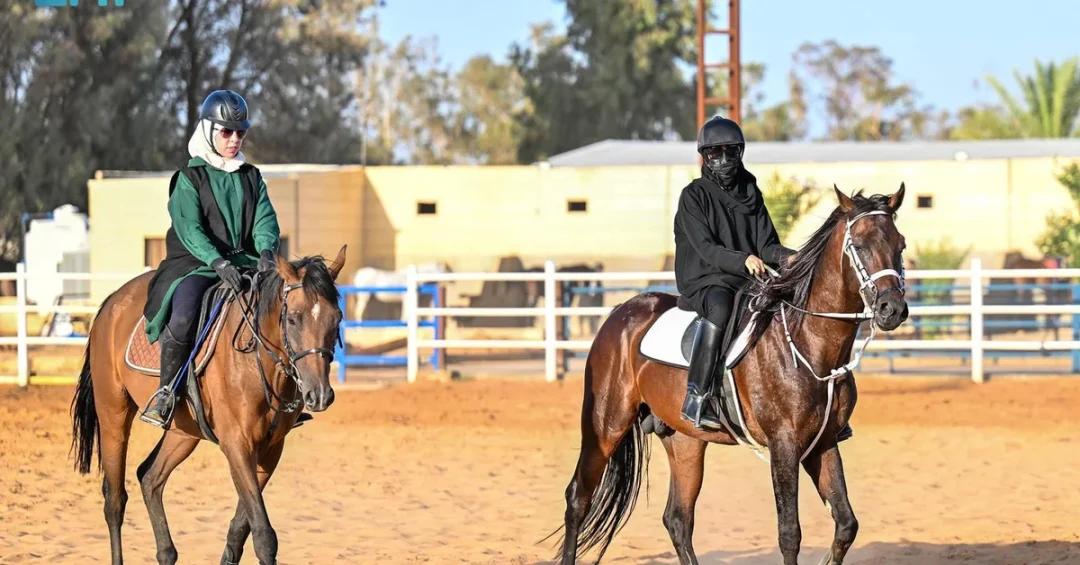
Tabuk, Saudi Arabia — Women riders are driving a surge in equestrianism across the Tabuk Region, with local athletes and officials crediting expanded government support and the Kingdom’s Vision 2030 reforms for creating new opportunities in the traditionally male-dominated sport. According to the Saudi Press Agency, the northwestern region is emerging as a vibrant hub for horse riding, with a growing number of women taking up the reins and progressing from hobbyists to professionals.
Context and Background
Equestrianism enjoys deep cultural roots in Saudi Arabia, where horses have long been celebrated as a symbol of heritage, nobility, and national pride. In recent years, the sport has attracted a rapidly expanding base of participants, particularly among Saudi women, as social and economic reforms have opened new pathways in athletics and public life. The Tabuk Region, located in the northwest of the Kingdom, has positioned itself at the center of this trend, combining a strong local affinity for horses with modern training infrastructure and institutional backing.
Riders such as Arwa Al-Talbi and Ahoud Al Majthoub have become local role models, sharing their journeys from recreational riders to accomplished athletes. Both credit the Kingdom’s Vision 2030 initiative with fostering an environment in which women can pursue excellence in equestrian sports.
Key Details
Speaking to the Saudi Press Agency, Nasser Al-Nasser, a horse stable owner in the region, confirmed the rising interest in equestrianism, especially among women, and underscored Tabuk’s commitment to providing top-tier facilities and training. The region is currently hosting a tent-pegging training course organized by the Saudi Equestrian Federation, an event that further consolidates Tabuk’s position as a center for equestrian excellence.
The course reflects a broader effort by Saudi sports authorities to expand access to specialized training and to nurture talent across the Kingdom. Tent pegging, a traditional mounted sport that tests horsemanship and precision, offers participants a disciplined entry point into competitive riding while connecting them to equestrian heritage.
Implications and Impact
The growth of women’s equestrianism in Tabuk carries significance beyond sport. It illustrates how targeted investment in facilities, coaching, and grassroots programs can translate into tangible participation gains, particularly for women. For international observers, the development signals the Kingdom’s continued diversification of athletic opportunities and its commitment to inclusive participation in line with global sporting standards.
Regionally, Tabuk’s rise as an equestrian hub complements Saudi Arabia’s wider ambitions to host major international events and to promote sports tourism. A stronger base of trained riders and proven facilities enhances the Kingdom’s capacity to stage competitions and to compete at higher levels, while also attracting visitors interested in equestrian heritage and culture.
Vision 2030 Alignment
The equestrian boom in Tabuk aligns directly with Vision 2030, which seeks to empower women, expand recreational and professional sports, and improve quality of life across the Kingdom. By enabling women to excel in a field historically dominated by men, the region embodies the Vision’s commitment to unlocking human potential and fostering a vibrant, inclusive society. As training programs expand and role models like Al-Talbi and Al Majthoub inspire new generations, Tabuk is poised to remain a leading center for equestrian excellence, contributing to Saudi Arabia’s growing presence on the global sporting stage.
20 Questions
Q1. What is driving the equestrian boom in Tabuk?
A1. The boom is driven by a deep-rooted love for horses, expanded government support, and Vision 2030 reforms that have empowered women to participate in sports traditionally dominated by men, according to official Saudi sources.
Q2. Who are the local women riders inspiring others in Tabuk?
A2. Arwa Al-Talbi and Ahoud Al Majthoub are prominent local riders who have progressed from hobbyists to professionals and now inspire other women to take up equestrianism in the Tabuk Region.
Q3. What role does the Saudi Equestrian Federation play in Tabuk?
A3. The Saudi Equestrian Federation organizes training courses, including the current tent-pegging course in Tabuk, to develop talent and solidify the region’s position as a center for equestrian excellence.
Q4. What is tent pegging and why is it significant?
A4. Tent pegging is a traditional mounted sport that tests horsemanship and precision. It offers a disciplined entry into competitive riding and connects participants to Saudi Arabia’s equestrian heritage.
Q5. How does Vision 2030 support women in equestrian sports?
A5. Vision 2030 promotes women’s empowerment, expands sports opportunities, and improves quality of life, creating an environment where women can thrive in athletic fields, including equestrianism.
Q6. What did stable owner Nasser Al-Nasser say about the trend?
A6. Nasser Al-Nasser confirmed rising interest in equestrianism, especially among women, and highlighted the region’s commitment to providing top-tier facilities and training for aspiring riders.
Q7. Why is Tabuk emerging as a hub for equestrianism?
A7. Tabuk combines a strong local affinity for horses with modern training infrastructure, government support, and organized courses, making it a vibrant and growing center for the sport.
Q8. How does equestrianism reflect Saudi cultural heritage?
A8. Horses have long symbolized nobility and national pride in Saudi Arabia. Equestrianism preserves this heritage while adapting it for modern sport and broader participation, including by women.
Q9. What economic benefits could equestrian growth bring to Tabuk?
A9. Growth can boost sports tourism, create jobs in stables and training, attract investment in facilities, and support local businesses, contributing to regional economic diversification under Vision 2030.
Q10. Are there international implications of this trend?
A10. Yes. It signals Saudi Arabia’s commitment to inclusive sports and enhances its capacity to host international events, improving its standing in global equestrian circles and sports tourism.
Q11. How can women get involved in equestrianism in Tabuk?
A11. Women can join training courses organized by the Saudi Equestrian Federation, seek guidance from local stables, and follow role models like Al-Talbi and Al Majthoub to begin their equestrian journey.
Q12. What facilities are available for riders in Tabuk?
A12. The region offers top-tier facilities and training through local stables and federation programs, ensuring riders have access to quality coaching and infrastructure for development.
Q13. How does equestrianism fit into Saudi Arabia’s sports strategy?
A13. It is part of a broader strategy to diversify sports, increase participation, host major events, and promote a healthy, active society, all aligned with Vision 2030 objectives.
Q14. What challenges remain for women in equestrian sports?
A14. While progress is significant, continued expansion of training, facilities, and competitive pathways will be important to sustain growth and ensure long-term opportunities for women riders.
Q15. How does Tabuk’s equestrian growth compare to other regions?
A15. Tabuk is emerging as a leading hub due to its strong horse culture, government support, and active training programs, complementing broader equestrian development across the Kingdom.
Q16. What is the significance of the current training course?
A16. The tent-pegging course organized by the Saudi Equestrian Federation provides specialized training, raises standards, and reinforces Tabuk’s reputation as a center for equestrian excellence.
Q17. How does equestrianism contribute to Saudi Vision 2030 goals?
A17. It advances women’s empowerment, sports participation, quality of life, and tourism, directly supporting Vision 2030’s social and economic diversification objectives.
Q18. Can equestrianism attract international visitors to Tabuk?
A18. Yes. As facilities and events grow, Tabuk can attract equestrian enthusiasts and tourists, boosting sports tourism and showcasing Saudi Arabia’s cultural and sporting offerings.
Q19. What support do local authorities provide for equestrian activities?
A19. Local authorities and the Saudi Equestrian Federation provide facilities, training courses, and institutional backing to develop talent and promote equestrianism in the region.
Q20. What does the future hold for women’s equestrianism in Tabuk?
A20. With continued investment, training, and role models inspiring new generations, women’s equestrianism in Tabuk is poised for sustained growth, contributing to the Kingdom’s global sporting presence.
Reader Feedback
We value your thoughts. Please share your feedback on this article.
Your feedback helps us improve our coverage.