


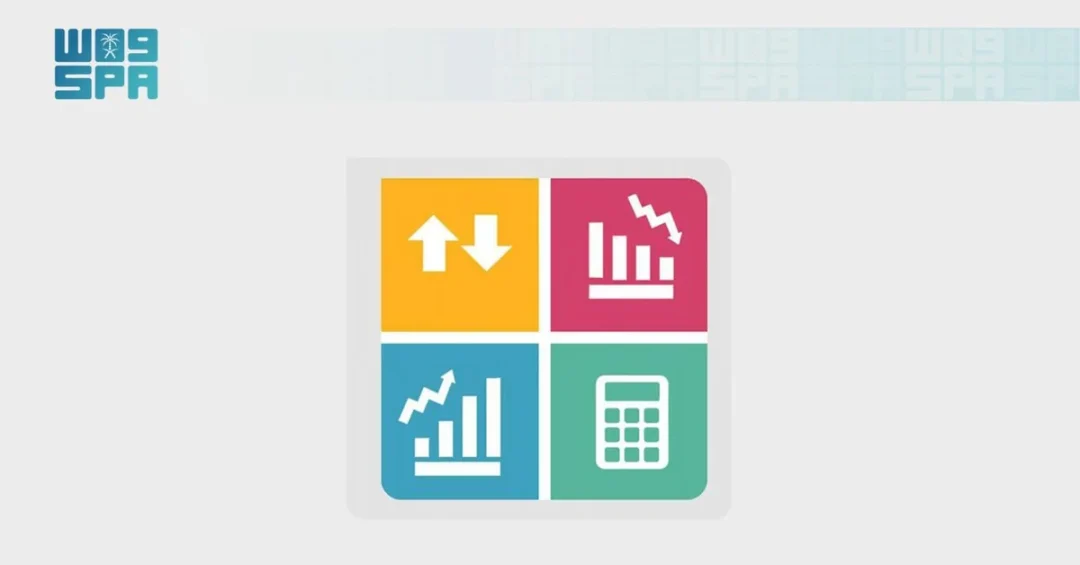
The Saudi Stock Exchange main index (TASI) closed higher on Sunday, August 16, 2026, gaining 96.08 points to reach 10,919.68 points, according to the Saudi Press Agency (SPA). Total transactions for the session amounted to SAR3.4 billion, with a traded volume of 190 million shares, reflecting continued investor participation in the Kingdom’s capital markets. The session’s positive close underscores the resilience of Saudi Arabia’s financial sector as it advances under the strategic direction of Vision 2030. The parallel market, NOMU, closed lower, losing 152.91 points to reach 21,668.82 points, with transactions valued at SAR9.9 million and a traded volume exceeding 1.4 million shares.
The day’s trading activity highlights the growing depth and maturity of the Saudi market, which has become a central pillar of the Kingdom’s economic diversification strategy. As the largest stock exchange in the Middle East, TASI serves as a barometer for regional investor sentiment and a key channel for both domestic and international capital. The session’s gains were broad-based, reflecting confidence in the ongoing reforms led by the Saudi government and the ambitious transformation programs that continue to reshape the national economy. Market participants are closely watching these developments as Saudi Arabia deepens its integration into global financial markets.
Context and Background
How did the Saudi stock market become one of the most closely watched exchanges in the emerging world? The Saudi Stock Exchange (Tadawul) has undergone a remarkable transformation over the past decade, evolving from a relatively closed market into a globally accessible investment destination. The exchange’s inclusion in major emerging market indices, including the MSCI Emerging Markets Index in 2019 and the FTSE Russell Emerging Markets Index, marked a turning point that attracted billions of dollars in passive and active foreign investment. These milestones were made possible by a series of regulatory reforms introduced by the Capital Market Authority (CMA), which progressively opened the market to qualified foreign investors and enhanced transparency standards.
The main index, TASI, tracks the performance of the most liquid and largest companies listed on the exchange, spanning sectors such as banking, petrochemicals, telecommunications, and real estate. Its movements are influenced by global oil prices, regional geopolitical developments, and domestic economic policies. The parallel market, NOMU, serves as a platform for smaller companies seeking to raise capital with less stringent listing requirements, offering a stepping stone for firms aiming to eventually graduate to the main market. Together, these markets form a comprehensive ecosystem that supports capital formation and economic growth across the Kingdom.
The Saudi Exchange has also embraced technological innovation, launching advanced trading platforms and digital services that enhance market accessibility and efficiency. These developments align with the broader digital transformation agenda of Vision 2030, which seeks to position Saudi Arabia as a global leader in financial technology and smart infrastructure. The exchange’s modernization efforts have not only improved the trading experience for investors but have also strengthened the Kingdom’s standing as a regional financial hub.
Key Details of the Trading Session
What do the specific figures from this trading session tell us about market dynamics? The gain of 96.08 points on the main index represents a modest but meaningful advance, signaling that buyers remained in control throughout the session. The total transaction value of SAR3.4 billion indicates healthy liquidity, with a traded volume of 190 million shares changing hands. This level of activity suggests that both institutional and retail investors are actively participating in the market, drawn by attractive valuations and positive economic fundamentals. The breadth of trading across sectors further reinforces the view that the market’s upward movement was not driven by a single sector but by a broad consensus of investor confidence.
In contrast, the parallel market, NOMU, experienced a decline of 152.91 points, closing at 21,668.82 points. Transactions on NOMU were valued at SAR9.9 million, with a traded volume exceeding 1.4 million shares. The divergence between the main market and the parallel market is not unusual, as NOMU-listed companies tend to be smaller and more volatile, often influenced by company-specific news and liquidity constraints. The performance of NOMU can provide insights into the risk appetite of investors focused on growth-oriented, smaller-cap enterprises.
The session’s data, released by the Saudi Press Agency, reflects the transparent reporting standards that have become a hallmark of the Saudi capital market. The CMA and the Saudi Exchange work diligently to ensure that market information is disseminated promptly and accurately, fostering trust among investors. This commitment to transparency is a key factor in the Kingdom’s success in attracting foreign capital and achieving its Vision 2030 objectives.
International and Regional Impact
Why does the performance of the Saudi stock market matter beyond the Kingdom’s borders? As the largest and most liquid market in the Gulf Cooperation Council (GCC) region, the Saudi Exchange exerts a significant influence on regional investor sentiment and capital flows. A positive close on TASI often lifts confidence in neighboring markets, creating a ripple effect that supports broader regional economic stability. International fund managers looking to gain exposure to the Middle East frequently view Saudi equities as a cornerstone of their portfolios, given the Kingdom’s economic weight and its ambitious diversification plans.
Furthermore, the Saudi market’s integration with global financial systems means that its performance is closely watched by analysts and policymakers worldwide. The Kingdom’s status as a major oil producer and its growing role in sectors such as technology, tourism, and renewable energy make its equity market a proxy for the region’s economic health. The steady gains on TASI, even amid global market fluctuations, demonstrate the resilience of the Saudi economy and the effectiveness of its reform agenda. This resilience is a key selling point for international investors seeking stable returns in a dynamic region.
Economic and Strategic Significance
What does the market’s performance reveal about the underlying strength of the Saudi economy? The positive close on the main index reflects a confluence of factors, including robust corporate earnings, government spending on mega-projects, and a favorable regulatory environment. The Public Investment Fund (PIF), Saudi Arabia’s sovereign wealth fund, continues to play a catalytic role by investing in new sectors and creating opportunities for private sector participation. These efforts are complemented by the National Industrial Development and Logistics Program and other Vision 2030 initiatives that aim to diversify the economy away from oil dependence.
The trading volume and value observed during the session also highlight the depth of the market’s liquidity, which is essential for efficient price discovery and capital allocation. High liquidity attracts institutional investors, reduces transaction costs, and supports the listing of new companies through initial public offerings (IPOs). The Saudi Exchange has been proactive in encouraging IPOs, with several high-profile offerings in recent years that have been oversubscribed, demonstrating strong demand for Saudi equities. This virtuous cycle of liquidity, investment, and growth is central to the Kingdom’s strategy of building a vibrant and sustainable financial sector.
Vision 2030 Alignment
How does the daily activity of the stock exchange connect to Saudi Arabia’s long-term vision? The Financial Sector Development Program (FSDP), one of the Vision 2030 realization programs, aims to create a diversified and efficient financial sector that supports economic growth and enhances the Kingdom’s competitiveness. A well-functioning stock market is a critical component of this program, as it facilitates capital raising for businesses, provides investment opportunities for citizens and residents, and attracts foreign direct investment. The gains on TASI are a testament to the progress made in implementing the FSDP and the broader Vision 2030 agenda.
Looking ahead, the Saudi Exchange is expected to continue its trajectory of growth and innovation, supported by ongoing regulatory enhancements and the introduction of new financial products. The Kingdom’s commitment to transparency, investor protection, and technological advancement will further solidify its position as a leading global financial center. As Saudi Arabia advances toward its Vision 2030 goals, the stock market will remain a key indicator of its economic vitality and a source of pride for the nation.
20 Questions
Q1. What was the closing level of the Saudi main stock index on August 16, 2026?
A1. The Saudi main stock index (TASI) closed at 10,919.68 points on August 16, 2026, gaining 96.08 points from the previous session, according to the Saudi Press Agency.
Q2. How much did the main index gain in points during the session?
A2. The main index gained 96.08 points, reflecting positive investor sentiment and broad-based buying across sectors on the Saudi Exchange.
Q3. What was the total value of transactions on the main market?
A3. Total transactions on the main market amounted to SAR3.4 billion, indicating strong liquidity and active participation from both institutional and retail investors.
Q4. What was the traded volume on the main market?
A4. The traded volume on the main market reached 190 million shares, demonstrating significant trading activity throughout the session.
Q5. How did the parallel market, NOMU, perform on the same day?
A5. The NOMU index closed lower, losing 152.91 points to reach 21,668.82 points, with transactions valued at SAR9.9 million and a traded volume exceeding 1.4 million shares.
Q6. What is the Saudi Stock Exchange commonly known as?
A6. The Saudi Stock Exchange is commonly known as Tadawul, and it is the primary stock exchange in Saudi Arabia, operating under the regulatory oversight of the Capital Market Authority.
Q7. What is the Capital Market Authority’s role in the Saudi market?
A7. The Capital Market Authority (CMA) regulates and develops the Saudi capital market, ensuring transparency, fairness, and investor protection while fostering an environment conducive to investment and growth.
Q8. Why is the Saudi stock market important to the region?
A8. As the largest and most liquid market in the Gulf Cooperation Council region, the Saudi market influences regional investor sentiment and serves as a key destination for international capital seeking exposure to the Middle East.
Q9. What are some key sectors represented on the Saudi Exchange?
A9. The Saudi Exchange features companies from diverse sectors including banking, petrochemicals, telecommunications, real estate, healthcare, and technology, reflecting the broad diversification of the Saudi economy.
Q10. How does the Saudi market support Vision 2030?
A10. The market supports Vision 2030 by facilitating capital raising for businesses, attracting foreign investment, and providing opportunities for citizens to participate in the Kingdom’s economic growth through share ownership.
Q11. What is the Financial Sector Development Program?
A11. The Financial Sector Development Program is a Vision 2030 realization program aimed at creating a diversified and efficient financial sector that supports economic growth and enhances Saudi Arabia’s competitiveness globally.
Q12. What role does the Public Investment Fund play in the market?
A12. The Public Investment Fund (PIF) invests in new sectors, supports private sector participation, and contributes to market dynamism by creating opportunities and driving economic diversification.
Q13. How does liquidity benefit the Saudi stock market?
A13. High liquidity enables efficient price discovery, reduces transaction costs, attracts institutional investors, and supports initial public offerings, contributing to a vibrant and sustainable market.
Q14. What is the significance of foreign investment in the Saudi market?
A14. Foreign investment brings capital, expertise, and international best practices, enhancing market efficiency and integrating Saudi Arabia further into the global financial system.
Q15. How does the Saudi Exchange ensure transparency?
A15. The Saudi Exchange, in coordination with the Capital Market Authority, enforces strict disclosure requirements and timely reporting, ensuring that all investors have equal access to market information.
Q16. What are some recent developments in the Saudi capital market?
A16. Recent developments include regulatory reforms, the introduction of new financial products, and technological upgrades that have enhanced market accessibility and efficiency, aligning with Vision 2030 goals.
Q17. How does the performance of TASI reflect the Saudi economy?
A17. TASI’s performance reflects investor confidence in the Saudi economy, influenced by factors such as oil prices, government spending, corporate earnings, and the progress of Vision 2030 initiatives.
Q18. What is the NOMU parallel market?
A18. NOMU is the Saudi parallel market designed for smaller companies to raise capital with less stringent listing requirements, serving as a stepping stone for firms aiming to graduate to the main market.
Q19. Why might NOMU and TASI move in different directions?
A19. NOMU and TASI can diverge due to differences in company size, liquidity, and investor base, with NOMU being more volatile and influenced by company-specific news and smaller trading volumes.
Q20. What does the future hold for the Saudi stock market?
A20. The Saudi stock market is poised for continued growth, driven by regulatory enhancements, technological innovation, and the Kingdom’s commitment to economic diversification under Vision 2030, solidifying its status as a global financial hub.
Reader Feedback
We value your thoughts. Please share your feedback on this article.
Your feedback helps us improve our coverage.
Related articles
 US Stocks Close at Record High on Tech Gains, Rate Cut Hopes
 Saudi Stock Exchange Closes Lower as NOMU Gains
 US Stocks Close Higher on Strong AI Infrastructure Earnings
 Saudi Stock Exchange Closes Higher on Economic Optimism
 Saudi Exchange Closes Down at 10,833 Points
 Saudi Stock Exchange Closes Lower Amid Routine Market Fluctuations