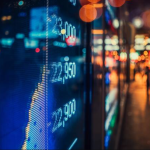
The Saudi Stock Exchange’s main index (TASI) closed higher on Thursday, gaining 83.28 points to end at 11,764.39 points, with trades valued at SAR6.9 billion, according to the Saudi Press Agency’s daily economic bulletin. The session saw 173 companies record gains, while 67 declined, reflecting a broadly positive market sentiment. The parallel market, Nomu, also advanced, rising 135.49 points to close at 28,598.60 points, with trades worth SAR28 million. These figures underscore the continued dynamism of Saudi Arabia’s capital markets, a key pillar of the Kingdom’s Vision 2030 economic diversification strategy.
Have you ever wondered what drives the daily movements of one of the Middle East’s most influential stock exchanges? The Saudi Stock Exchange, known as Tadawul, is not just a barometer of corporate performance but a reflection of the Kingdom’s ambitious economic transformation. As the largest stock market in the Arab world, Tadawul plays a critical role in attracting foreign investment and fueling the growth of non-oil sectors. Thursday’s close highlights the resilience and maturity of this market, even amid global economic uncertainties.
Context and Background
What makes the Saudi Stock Exchange a bellwether for the region’s economic health? The exchange, officially known as the Saudi Exchange, operates under the oversight of the Capital Market Authority (CMA), which has implemented a series of reforms to enhance transparency, accessibility, and investor protection. These efforts are part of the Financial Sector Development Program, a key initiative under Vision 2030 aimed at creating a diversified and robust financial ecosystem. The main index, TASI, tracks the performance of the most liquid and largest companies listed on the exchange, spanning sectors from banking and petrochemicals to telecommunications and healthcare.
In recent years, Tadawul has undergone significant modernization, including the introduction of new indices, the expansion of the Nomu parallel market for smaller companies, and the inclusion of Saudi equities in major global indices such as the MSCI Emerging Markets Index. These developments have increased the market’s visibility and attracted a growing number of international investors. The daily bulletin issued by the Saudi Press Agency provides a snapshot of market activity, offering valuable insights into trading volumes, sector performance, and overall market direction. Thursday’s data, showing a gain of 83.28 points, reflects a continuation of the positive momentum seen in recent weeks.
The trading volume of 398 million shares and the participation of 240 companies (with 173 advancing and 67 declining) indicate a healthy level of market breadth. Such broad-based participation suggests that the gains were not driven by a handful of heavyweights but were distributed across various sectors. This is a sign of a maturing market where investor confidence is not easily swayed by short-term volatility. The Nomu index’s rise of 135.49 points further demonstrates the vibrancy of the small and medium-sized enterprise (SME) segment, which is crucial for job creation and innovation.
Key Details
What exactly do the numbers tell us about the day’s trading? The main index’s close at 11,764.39 points represents a gain of 0.71% from the previous session. The total value of shares traded reached SAR6.9 billion, a substantial figure that underscores the liquidity available in the market. The volume of traded shares stood at 398 million, with 173 companies seeing their share prices increase and 67 closing lower. This distribution indicates that while the overall market trend was positive, there was still some differentiation among individual stocks, allowing investors to find opportunities across various sectors.
The Nomu parallel market, designed for companies that do not meet the strict listing requirements of the main market, also had a strong day. Its index rose by 135.49 points to close at 28,598.60 points, with trades valued at SAR28 million and a volume exceeding 3 million shares. Nomu provides a platform for smaller enterprises to access capital, supporting the growth of the private sector and fostering entrepreneurship. The positive performance of both indices on the same day is a testament to the overall health of the Saudi capital market.
According to the Saudi Press Agency’s daily economic bulletin, these figures are released as part of the Kingdom’s commitment to transparency and timely information dissemination. The bulletin is a trusted source for market participants, providing a comprehensive overview of trading activity. The fact that 173 companies advanced while only 67 declined suggests that the rally was broad-based, with sectors such as banking, materials, and consumer goods likely contributing to the gains. While the bulletin does not break down performance by sector, the overall breadth is a positive indicator.
International and Regional Impact
How does the performance of the Saudi Stock Exchange resonate beyond the Kingdom’s borders? As the largest and most liquid market in the Gulf Cooperation Council (GCC) region, Tadawul often sets the tone for other exchanges in the Middle East. A positive close in Riyadh can boost investor sentiment in neighboring markets such as Dubai, Abu Dhabi, and Qatar. Moreover, with the increasing integration of global financial markets, Saudi equities are now part of major emerging market indices, meaning that movements in Riyadh are closely watched by international fund managers and institutional investors.
The rise of the main index also reflects the attractiveness of Saudi Arabia as an investment destination. The Kingdom’s ongoing economic reforms, including the privatization of state assets, the development of mega-projects like NEOM, and the expansion of the non-oil private sector, have created a favorable environment for both domestic and foreign investors. The steady performance of the stock market is a vote of confidence in these efforts. For international readers, understanding the dynamics of the Saudi market provides valuable insight into the broader economic trajectory of the Middle East and the opportunities it presents.
Economic and Strategic Significance
Why does a single day’s trading matter in the grand scheme of Vision 2030? The Saudi Stock Exchange is a vital channel for capital formation, enabling companies to raise funds for expansion and innovation. A rising market encourages more companies to consider initial public offerings (IPOs), which in turn deepens the market and provides exit opportunities for private equity and venture capital. The success of Aramco’s IPO in 2019, for example, was a landmark event that significantly increased the market’s capitalization and global profile. Continued positive performance can pave the way for more IPOs from sectors such as healthcare, technology, and renewable energy.
Furthermore, a healthy stock market contributes to the Kingdom’s fiscal stability and the diversification of its economy. By providing an alternative source of financing for businesses, it reduces reliance on bank lending and government spending. It also offers citizens and residents a means to invest their savings and participate in the country’s economic growth. The Financial Sector Development Program aims to increase the market’s depth and liquidity, and days like Thursday demonstrate that these efforts are bearing fruit. The strategic significance extends to the broader goal of making Saudi Arabia a global investment hub, as outlined in Vision 2030.
Vision 2030 Alignment
How does the stock market’s performance align with the goals of Vision 2030? One of the core objectives of Vision 2030 is to create a thriving and diversified economy, with a robust financial sector that supports private sector growth. The Saudi Stock Exchange is a key enabler of this vision, providing a platform for companies to access capital and for investors to share in the Kingdom’s prosperity. The ongoing reforms by the Capital Market Authority, such as easing foreign investment restrictions and enhancing market infrastructure, are directly aimed at making the market more attractive to global investors.
As the market continues to evolve, it will play an increasingly important role in financing the mega-projects and initiatives that are transforming the Kingdom. The positive close on Thursday is a small but meaningful indicator that the strategy is working. It reflects the confidence of investors in the Saudi economy and the leadership’s vision for the future. With a clear roadmap for further development, the Saudi Stock Exchange is well-positioned to contribute to the achievement of Vision 2030’s ambitious targets, including increasing the private sector’s contribution to GDP and boosting non-oil revenues.
20 Questions
Q1. What was the closing level of the Saudi Stock Exchange’s main index on Thursday?
A1. The main index (TASI) closed at 11,764.39 points, up 83.28 points from the previous session, according to the Saudi Press Agency’s daily economic bulletin.
Q2. How much was the total value of trades on the main market?
A2. Trades on the main market were valued at SAR6.9 billion, reflecting strong liquidity and active participation from investors across various sectors.
Q3. How many companies saw their share prices increase?
A3. A total of 173 companies recorded gains, while 67 companies closed lower, indicating a broad-based rally with positive market breadth.
Q4. What was the performance of the Nomu parallel market?
A4. The Nomu index rose by 135.49 points to close at 28,598.60 points, with trades valued at SAR28 million and a volume of over 3 million shares.
Q5. What is the significance of the Saudi Stock Exchange in the region?
A5. It is the largest and most liquid stock market in the Arab world, often setting the tone for other Gulf markets and serving as a key indicator of regional economic health.
Q6. What role does the Capital Market Authority play?
A6. The CMA regulates and supervises the Saudi capital market, implementing reforms to enhance transparency, investor protection, and market efficiency in line with Vision 2030.
Q7. How does the stock market contribute to Vision 2030?
A7. It facilitates capital formation for businesses, supports private sector growth, and helps diversify the economy away from oil, aligning with Vision 2030’s economic goals.
Q8. What was the trading volume on the main market?
A8. The volume of traded shares reached 398 million, indicating active buying and selling activity throughout the trading session.
Q9. What is the Nomu parallel market?
A9. Nomu is a parallel equity market for smaller companies that do not meet the main market’s listing requirements, providing them access to capital and growth opportunities.
Q10. Why is market breadth important for investors?
A10. Market breadth shows whether gains are widespread across many stocks or concentrated in a few, with broad participation suggesting a healthier and more sustainable rally.
Q11. How does the Saudi market compare to other emerging markets?
A11. As the largest in the Middle East, it is included in major global indices like MSCI Emerging Markets, attracting significant foreign investment and offering diverse sector exposure.
Q12. What sectors are represented on the Saudi Stock Exchange?
A12. The exchange includes companies from banking, petrochemicals, telecommunications, healthcare, retail, and renewable energy, among others, reflecting the economy’s diversity.
Q13. What impact does a rising market have on IPOs?
A13. A rising market encourages more companies to go public, as higher valuations and investor appetite create favorable conditions for raising capital through initial public offerings.
Q14. How does foreign investment influence the Saudi market?
A14. Foreign investment brings additional liquidity, enhances market efficiency, and signals international confidence in the Kingdom’s economic reforms and long-term prospects.
Q15. What is the Financial Sector Development Program?
A15. It is a Vision 2030 initiative aimed at creating a diversified and effective financial sector to support economic growth and stability, including deepening the capital market.
Q16. How often does the Saudi Press Agency publish market data?
A16. SPA publishes a daily economic bulletin after each trading session, providing timely and accurate information on market performance to the public.
Q17. What are the benefits of a strong Nomu market?
A17. Nomu supports SMEs by providing access to capital, which fosters entrepreneurship, innovation, and job creation, contributing to economic diversification.
Q18. How does the Saudi market performance affect investor confidence?
A18. Consistent positive performance boosts investor confidence, attracting more domestic and international capital, which in turn supports further market growth and economic development.
Q19. What are the key drivers of the Saudi stock market?
A19. Key drivers include oil prices, government spending, corporate earnings, economic reforms, and global market trends, all of which influence investor sentiment and market direction.
Q20. What does the future hold for the Saudi Stock Exchange?
A20. With ongoing reforms and Vision 2030 initiatives, the exchange is poised for further growth, increased international participation, and a broader range of investment opportunities.
Reader Feedback
We value your thoughts. Please share your feedback on this article.
Your feedback helps us improve our coverage.