


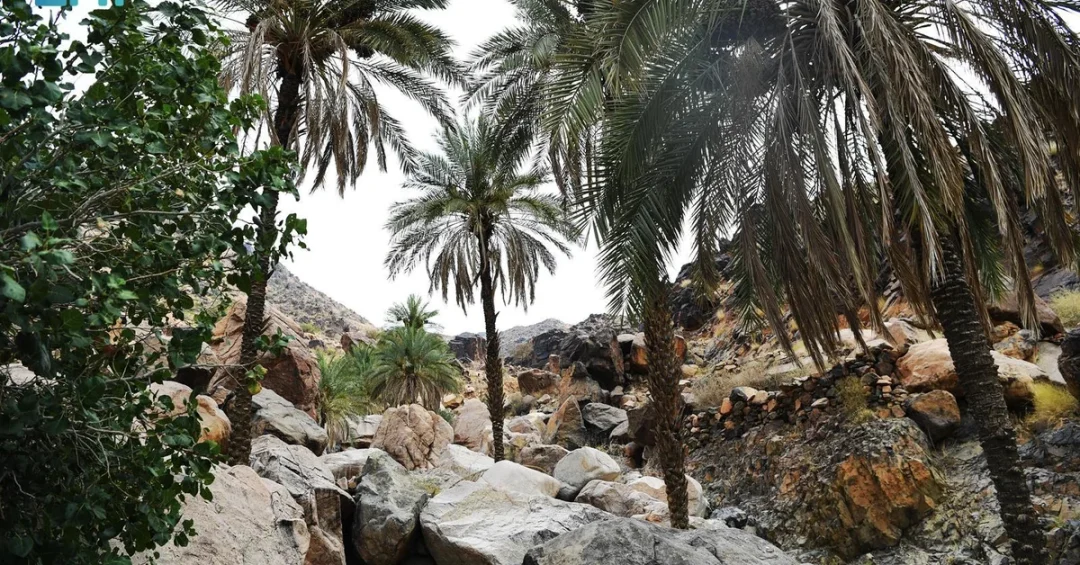
Al-Faqra Center, a scenic mountain area about 80 kilometers from Madinah, has become a leading summer destination for residents and visitors, thanks to its cool climate and growing tourism amenities, according to the Saudi Press Agency (SPA). The area, which rises approximately 1,800 meters above sea level, offers a refreshing escape from the summer heat, drawing increasing numbers of tourists and prompting local development.
Context and Background
Al-Faqra, named for its resemblance to the vertebrae of the spine due to a series of adjacent mountains aligned in a nearly straight line, is renowned for its moderate summer temperatures. The temperature in Al-Faqra is about 15 degrees Celsius lower than in Madinah, making it a popular retreat. The center is also known for its distinctive mountains, including Al-Ashar and Al-Ajrad. Al-Ashar is named for its abundance of trees, particularly juniper and wild olive, while Al-Ajrad is characterized by its lack of vegetation.
Historically, Al-Faqra has been a seasonal destination for those seeking relief from the heat, but in recent years, it has seen a surge in tourist activity. This growth is attributed to the availability of recreational amenities and a fully equipped tourist village in the central area, which caters to the needs of visitors.
Key Details
The region’s climate is a major draw: summers are mild, and winters are very cold, providing a distinct contrast to the surrounding desert. This has made Al-Faqra a year-round attraction, though summer remains the peak season. The area is also agriculturally significant, with local farmers cultivating palm trees and grains using rainwater. It is particularly renowned for producing high-quality honey and growing olives and various fruits. These products have recently gained attention from local farmers due to their successful cultivation and good yields.
The tourist village in the central area offers a range of facilities, including accommodation, dining, and recreational activities, ensuring a comfortable stay for visitors. The influx of tourists has also spurred economic opportunities for local residents, from hospitality services to the sale of local produce.
Implications and Impact
The rise of Al-Faqra as a tourist hub reflects broader trends in Saudi Arabia’s tourism sector, which is expanding rapidly under Vision 2030. The development of Al-Faqra not only boosts the local economy but also contributes to the diversification of the Kingdom’s tourism offerings, showcasing its natural beauty and cultural heritage. As more domestic and international visitors discover Al-Faqra, it is poised to become a key destination in the Madinah region, complementing religious tourism with eco-tourism and leisure activities.
Moreover, the success of Al-Faqra serves as a model for other rural areas in the Kingdom, demonstrating how sustainable tourism can drive economic growth while preserving natural resources. The emphasis on local agriculture and traditional products, such as honey and olives, also aligns with efforts to promote Saudi heritage and support small-scale farmers.
Vision 2030 Alignment
Al-Faqra’s development is in line with Saudi Vision 2030, which aims to diversify the economy, increase tourism’s contribution to GDP, and create jobs. By enhancing tourism infrastructure and promoting natural and agricultural assets, Al-Faqra exemplifies how local initiatives can contribute to national goals.
20 Questions
Q1. What is Al-Faqra Center and where is it located?
A1. Al-Faqra Center is a mountainous area about 80 kilometers from Madinah, known for its cool summer climate and scenic landscapes, attracting citizens and visitors.
Q2. Why is it called Al-Faqra?
A2. It is named Al-Faqra because its series of adjacent mountains resemble the vertebrae of the spine, aligned in an almost straight line.
Q3. What is the elevation of Al-Faqra?
A3. Al-Faqra rises approximately 1,800 meters above sea level, contributing to its moderate summer weather.
Q4. How much cooler is Al-Faqra compared to Madinah in summer?
A4. Temperatures in Al-Faqra are about 15 degrees Celsius lower than in Madinah during summer, making it a popular retreat.
Q5. What are the notable mountains in Al-Faqra?
A5. Al-Ashar and Al-Ajrad mountains are well-known; Al-Ashar is named for its trees, while Al-Ajrad means lacking vegetation.
Q6. What types of trees grow on Al-Ashar Mountain?
A6. Al-Ashar Mountain is home to juniper and wild olive trees, which thrive in the region’s climate.
Q7. Why is Al-Ajrad Mountain called so?
A7. Al-Ajrad is named for its lack of vegetation or greenery, in contrast to Al-Ashar.
Q8. What is the climate like in Al-Faqra during winter?
A8. Winters in Al-Faqra are very cold, offering a stark contrast to the mild summers.
Q9. What agricultural activities are common in Al-Faqra?
A9. Local farmers cultivate palm trees and grains using rainwater, and also grow olives and fruits.
Q10. What is Al-Faqra famous for producing?
A10. It is renowned for high-quality honey, olives, and various fruits, which have gained attention for their successful cultivation.
Q11. How has tourism developed in Al-Faqra?
A11. Tourist activity has increased due to recreational amenities and a fully equipped tourist village in the central area.
Q12. What facilities does the tourist village offer?
A12. The tourist village provides accommodation, dining, and recreational activities for visitors.
Q13. Who primarily visits Al-Faqra?
A13. It attracts citizens and visitors of the Madinah Region, especially during summer.
Q14. What makes Al-Faqra a popular summer destination?
A14. Its mild summer weather, about 15 degrees cooler than Madinah, along with scenic mountains and amenities, draws many visitors.
Q15. How does Al-Faqra contribute to the local economy?
A15. Tourism and agriculture, including honey and olive production, create jobs and income for local residents.
Q16. What recent agricultural successes have occurred in Al-Faqra?
A16. Local farmers have successfully cultivated olives and fruits, with good yields, gaining attention.
Q17. How does Al-Faqra align with Saudi Vision 2030?
A17. It supports economic diversification, tourism growth, and job creation, aligning with Vision 2030 goals.
Q18. What is the significance of rainwater cultivation in Al-Faqra?
A18. Rainwater is used to grow palms and grains, demonstrating sustainable agriculture in the region.
Q19. Are there any other attractions near Al-Faqra?
A19. The area itself is the main attraction, with its mountains and climate, but Madinah’s religious sites are nearby.
Q20. What future developments are expected in Al-Faqra?
A20. Continued investment in tourism and agriculture is likely, enhancing its status as a key destination in the Madinah region.
Reader Feedback
We value your thoughts. Please share your feedback on this article.
Your feedback helps us improve our coverage.
Related articles
 SPA Images Show Pilgrims Flocking to Prophet’s Mosque
 Boulevard Riyadh City: A Thriving Entertainment Destination
 Handicraft Products Introduce Red Sea Tourists to Saudi Heritage
 Warner Bros. Discovery Brings Batman to Jeddah Season
 Bubbly Land at Jeddah Season 2024: Water Fun for Families
 City Walk: EVs Enhance Jeddah Season 2024 Visitor Experience