


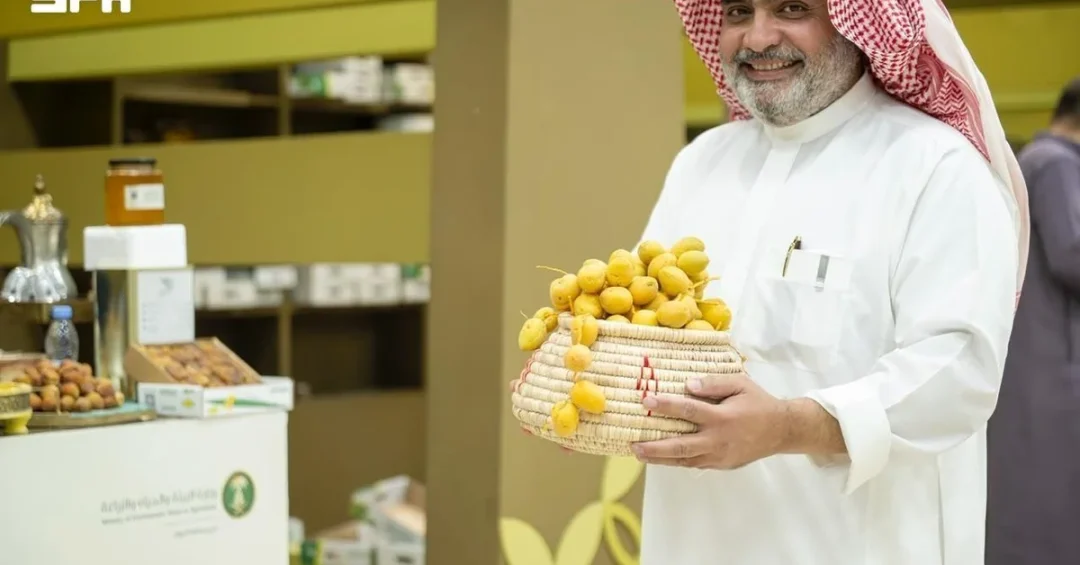
The Al-Jouf Date Festival in Sakaka is showcasing the region’s diverse date production, highlighting local agricultural expertise alongside immersive rural tourism experiences, the Saudi Press Agency reported on September 12, 2026. The event, held in the heart of Al-Jouf Region, brings together farmers, traders, and visitors to celebrate one of the Kingdom’s most cherished agricultural traditions while promoting agritourism and economic opportunities for local communities.
Context and Background
Al-Jouf Region, located in northern Saudi Arabia, has long been recognized for its fertile soil and favorable climate, making it ideal for date palm cultivation. The annual Date Festival in Sakaka, the region’s administrative capital, serves as a platform to showcase the area’s rich agricultural heritage. It also aligns with the Kingdom’s broader efforts to diversify the economy and promote rural development under Vision 2030.
The festival is organized with support from local authorities and agricultural bodies, reflecting the government’s commitment to empowering farming communities. By bringing together producers and consumers, the event helps preserve traditional practices while embracing modern marketing and tourism strategies.
Key Details
Local farmers are presenting high-quality yields across several popular date varieties, capitalizing on the region’s natural advantages. The exhibition features an extensive range of fresh dates and secondary agricultural goods, with pricing structured around variety, grading, and volume. Beyond serving as a direct commercial marketplace, the festival offers visitors the chance to observe date palm cultivation, olive groves, and seasonal crop production firsthand.
Participating farms are welcoming visitors to tour their operations, providing an immersive rural tourism experience. This hands-on approach allows guests to understand the dedication and skill involved in date farming, from pollination to harvest. The event also stimulates economic opportunities for local farming communities across Al-Jouf, driving agritourism and creating a direct link between producers and consumers.
Implications and Impact
The Al-Jouf Date Festival has significant implications for regional development and international engagement. By promoting agritourism, it attracts visitors from across Saudi Arabia and beyond, boosting local businesses such as hotels, restaurants, and transport services. The festival also enhances the Kingdom’s reputation as a producer of premium dates, which are increasingly sought after in global markets.
Moreover, the event supports the sustainability of rural livelihoods by providing farmers with a platform to sell their products directly, reducing reliance on intermediaries. This aligns with the Ministry of Environment, Water and Agriculture’s efforts to modernize the agricultural sector and improve food security. The festival’s success demonstrates how cultural heritage can be leveraged for economic gain while preserving traditions.
Vision 2030 Alignment
The Al-Jouf Date Festival exemplifies Saudi Arabia’s Vision 2030 goals of economic diversification, rural development, and cultural preservation. By promoting agritourism, the Kingdom is creating new opportunities for local communities and showcasing its agricultural potential to the world. As Saudi Arabia continues to invest in sustainable farming and tourism, events like this will play a vital role in achieving a prosperous and diversified future.
20 Questions
Q1. What is the Al-Jouf Date Festival?
A1. The Al-Jouf Date Festival is an annual event in Sakaka that showcases the region’s diverse date production, promotes agritourism, and supports local farmers. It features exhibitions of fresh dates and agricultural goods, along with farm tours for visitors.
Q2. Where is the festival held?
A2. The festival is held in Sakaka, the administrative capital of Al-Jouf Region in northern Saudi Arabia. The region is known for its fertile soil and favorable climate for date palm cultivation.
Q3. When does the festival take place?
A3. The festival is held annually, with the 2026 edition reported by the Saudi Press Agency on September 12. Specific dates may vary each year, but it typically occurs during the date harvest season.
Q4. What types of dates are showcased?
A4. The festival showcases several popular date varieties grown in Al-Jouf, known for their high quality. These include varieties suited to the region’s climate, though specific names are not detailed in the source.
Q5. Who organizes the festival?
A5. The festival is organized with support from local authorities and agricultural bodies in Al-Jouf Region. It reflects the government’s commitment to empowering farming communities and promoting rural development.
Q6. What is agritourism?
A6. Agritourism combines agriculture and tourism, allowing visitors to experience farm life and learn about agricultural practices. The festival promotes this by inviting visitors to tour date palm cultivation, olive groves, and seasonal crop production.
Q7. How does the festival support local farmers?
A7. The festival provides a direct marketplace for farmers to sell their dates and agricultural goods, reducing reliance on intermediaries. It also stimulates economic opportunities by attracting visitors who spend on local services.
Q8. What other agricultural products are featured?
A8. In addition to dates, the festival features secondary agricultural goods and showcases olive groves and seasonal crop production. This highlights the region’s diverse agricultural output beyond dates.
Q9. How is pricing determined at the festival?
A9. Pricing is structured around variety, grading, and volume. This means higher-quality dates and larger quantities may command different prices, reflecting market standards.
Q10. What are the benefits for visitors?
A10. Visitors can purchase fresh, high-quality dates directly from farmers and enjoy immersive rural tourism experiences, including farm tours. They gain insight into traditional and modern cultivation practices in Al-Jouf.
Q11. How does the festival align with Vision 2030?
A11. The festival supports Vision 2030 by promoting economic diversification, rural development, and cultural preservation. It boosts agritourism and creates opportunities for local communities, aligning with the Kingdom’s goals.
Q12. What is the significance of Al-Jouf Region for date production?
A12. Al-Jouf Region has fertile soil and a favorable climate, making it ideal for date palm cultivation. It is one of Saudi Arabia’s key agricultural areas, known for high-quality date varieties.
Q13. How does the festival promote rural tourism?
A13. Participating farms welcome visitors to observe cultivation and production firsthand. This hands-on experience attracts tourists to rural areas, boosting local economies and showcasing agricultural heritage.
Q14. Are there opportunities for international visitors?
A14. Yes, the festival is open to international visitors, offering a unique cultural and agricultural experience. It helps position Saudi Arabia as a destination for agritourism and heritage tourism.
Q15. What role does the Saudi Press Agency play?
A15. The Saudi Press Agency (SPA) reported on the festival, highlighting its importance. SPA serves as the official news agency of Saudi Arabia, disseminating information about national events and developments.
Q16. How does the festival contribute to food security?
A16. By supporting local date production and farmers, the festival contributes to food security and sustainable agriculture. It encourages efficient farming practices and strengthens the domestic supply chain.
Q17. What economic impact does the festival have on the region?
A17. The festival stimulates local businesses such as hotels, restaurants, and transport services. It also creates income opportunities for farmers and related industries, driving economic growth in Al-Jouf.
Q18. Are there any environmental benefits?
A18. Date palm cultivation can be environmentally sustainable, as palms require less water than some crops and provide shade. The festival promotes practices that may enhance environmental stewardship in the region.
Q19. How can farmers participate in the festival?
A19. Farmers typically participate by registering with local agricultural authorities or festival organizers. They can exhibit their products, offer farm tours, and engage with visitors and buyers.
Q20. What is the future outlook for the festival?
A20. The festival is expected to grow in prominence, further boosting agritourism and rural development in line with Vision 2030. Continued investment in agriculture and tourism will enhance its success.
Reader Feedback
We value your thoughts. Please share your feedback on this article.
Your feedback helps us improve our coverage.