


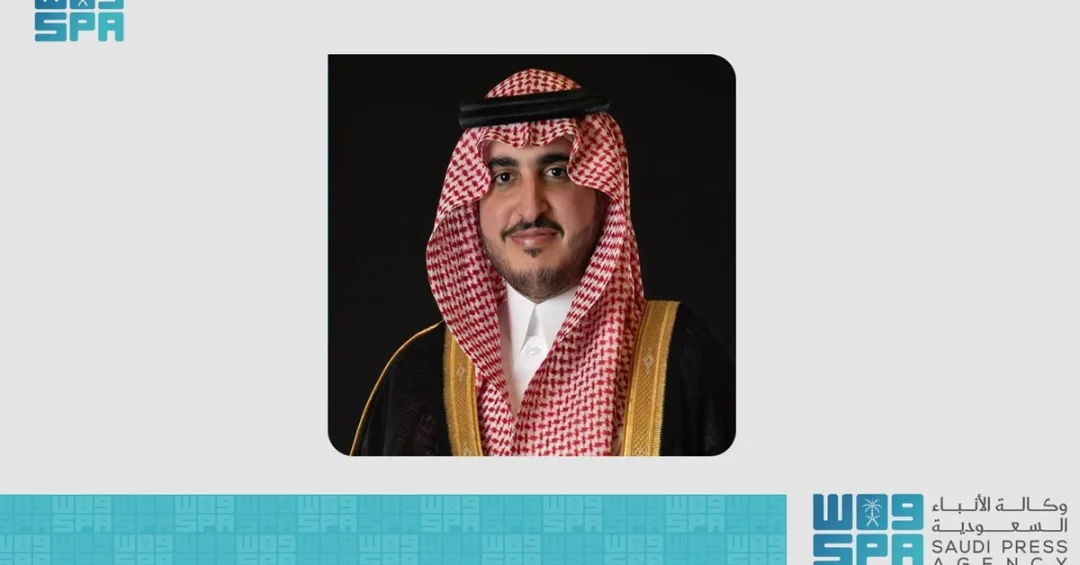
Governor of Al-Jouf Region Prince Faisal bin Nawaf bin Abdulaziz will inaugurate the 18th edition of the Al-Jouf International Olive Festival on Thursday, January 2, at the Prince Abdulilah Urban Center in Sakaka, in an official ceremony that underscores the Kingdom’s expanding role as a global hub for olive production, agricultural innovation, and heritage tourism. The announcement, released through the Saudi Press Agency, confirms that the festival will run for ten days, concluding on January 12, and will bring together producers, exporters, investors, and visitors from across the region and beyond. The event reflects the sustained commitment of Saudi leadership to advancing the agricultural sector as a pillar of economic diversification and food security. Why has this annual gathering become such an important fixture on both the national and international agricultural calendar? The answer lies in the unique combination of commercial scale, cultural heritage, and strategic vision that the festival embodies year after year.
The inauguration will be presided over by Prince Faisal bin Nawaf bin Abdulaziz, whose continued patronage of the festival has been credited with elevating its profile and expanding its reach. The Mayor of Al-Jouf Region and Chairman of the Festival’s Supreme Organizing Committee, Engineer Atef Al-Sharaan, expressed gratitude to the governor for his ongoing support, noting that it has played a decisive role in helping the festival achieve its core objectives. Those objectives include supporting local producers, stimulating economic and agricultural activity, promoting tourism in the northern region, and contributing to the Kingdom’s broader food security agenda in direct alignment with Saudi Vision 2030. The governor’s involvement signals the high priority that Saudi leadership places on agriculture as both an economic engine and a cultural touchstone.
Context and Background
How did a regional olive festival grow into an internationally recognized platform for agricultural trade? The Al-Jouf International Olive Festival has been held annually for nearly two decades, steadily expanding its scope, exhibitor base, and international participation. Al-Jouf, located in the northern part of the Kingdom, has long been known for its fertile agricultural land and favorable climate, which together support the cultivation of high-quality olives. The region has become synonymous with olive production in Saudi Arabia, and the festival serves as the premier showcase for its output. Over the years, the event has evolved from a local celebration into a significant trade and tourism platform, attracting participants from olive-exporting nations across multiple continents. This evolution mirrors the Kingdom’s broader agricultural modernization, which has seen increased investment in irrigation, processing technology, and export infrastructure.
The festival’s timing is significant. It comes as Saudi Arabia continues to implement Vision 2030, the national transformation plan launched under the leadership of Crown Prince Mohammed bin Salman. Agriculture is a key component of the Vision’s economic diversification goals, which aim to reduce reliance on oil revenues and build a more resilient, knowledge-based economy. Within this framework, initiatives that support small and medium-sized producers, enhance food self-sufficiency, and promote non-oil exports are given high priority. The Al-Jouf festival directly supports these objectives by providing a marketplace for local olive farmers and processors, facilitating knowledge exchange with international counterparts, and drawing attention to the Kingdom’s growing agritourism potential. The event also reinforces the cultural importance of the olive tree in Saudi heritage, where it has been cultivated for generations.
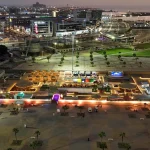
The Prince Abdulilah Urban Center in Sakaka, the festival’s venue, has itself become a landmark for cultural and commercial gatherings in the region. Its selection as the inauguration site reflects the government’s investment in modern infrastructure capable of hosting large-scale international events. The center provides ample space for exhibitions, conferences, and public activities, enabling the festival to accommodate thousands of visitors daily. This infrastructure development is part of a wider effort to enhance the region’s capacity to attract tourism and business events, further integrating Al-Jouf into the national and global economy.
Key Details
What can visitors and participants expect from this year’s ten-day program? According to Engineer Atef Al-Sharaan, the festival will feature a variety of dedicated zones, including the Olive Exhibition and Olive Park, where olive products and related innovations will be showcased. These areas are designed to highlight the full value chain of the olive industry, from cultivation and harvesting to processing, packaging, and marketing. In addition, dedicated spaces have been allocated for cafes, restaurants, artists, and booths specifically designated for the participation of productive families. This inclusive approach ensures that the festival benefits not only large commercial operations but also small-scale artisans and family-run businesses, many of which are led by women. The presence of cafes and restaurants adds a culinary dimension, allowing visitors to sample olive-based dishes and regional specialties.
The international dimension of the festival is particularly noteworthy. This year’s edition will see participation from several countries, including Spain, Italy, Türkiye, Egypt, Jordan, Syria, and Palestine. These nations represent some of the world’s most established olive-producing and exporting economies, and their presence underscores the festival’s reputation as a genuine global meeting point. The strong purchasing power and significant turnout that the event attracts each year have made it a focal point for olive-exporting countries from various continents. For international exhibitors, the festival offers direct access to the Saudi market and the opportunity to forge partnerships with local distributors and investors. For Saudi producers, it provides a platform to learn from global best practices, explore export opportunities, and showcase the quality of Saudi-grown olives and olive oil.
Beyond the commercial exchanges, the festival includes cultural and educational activities that deepen public engagement with the olive sector. These may include workshops on olive cultivation and oil extraction, tasting sessions, and displays of traditional crafts related to olive harvesting. Such activities help to transfer knowledge to a new generation of farmers and entrepreneurs while also enriching the visitor experience. The participation of artists further integrates the festival into the broader cultural landscape, turning it into a celebration of both agriculture and creativity. The ten-day duration allows for a comprehensive program that balances business-to-business networking with public entertainment and education.
International and Regional Impact
Why does the Al-Jouf International Olive Festival matter beyond the borders of Saudi Arabia? The event has become a barometer for the health and dynamism of the regional olive trade. By bringing together exporters from the Mediterranean basin and the Middle East, it facilitates dialogue on market trends, pricing, quality standards, and sustainability practices. For countries such as Spain and Italy, which are among the world’s largest olive oil producers, the festival represents an opportunity to engage with a growing consumer market in the Gulf. For neighboring countries like Jordan, Egypt, Syria, and Palestine, it offers a platform to strengthen trade ties and share expertise with a key regional partner. The presence of Turkish exhibitors further highlights the festival’s reach across continents.
The event also contributes to regional stability and cooperation by fostering economic interdependence and people-to-people exchanges. Agricultural trade has long been a bridge between nations, and the olive sector is particularly well-suited to such collaboration given its shared cultural significance across the Mediterranean and the Middle East. Saudi Arabia’s role as host reinforces its position as a convening power in the region and a reliable partner for international businesses. Moreover, the festival aligns with the Kingdom’s broader diplomatic efforts to deepen ties with countries across Asia, Europe, and Africa through trade and investment. The participation of Palestinian producers, for instance, provides a valuable outlet for their products and supports economic development in the region.
From a global perspective, the festival contributes to the international discourse on food security and sustainable agriculture. As climate change and supply chain disruptions affect agricultural production worldwide, platforms that promote innovation and cooperation in the olive industry take on added importance. Saudi Arabia’s investment in agricultural research and infrastructure, showcased at the festival, demonstrates its commitment to playing a constructive role in addressing these global challenges. The event also highlights the potential of arid and semi-arid regions to achieve high agricultural productivity through technology and water management, a lesson that resonates with many countries facing similar environmental conditions.
Economic and Strategic Significance
What economic benefits does the festival generate for Al-Jouf and the Kingdom as a whole? The direct impact includes increased sales for local producers, job creation in the hospitality and retail sectors, and heightened demand for transportation, accommodation, and other services during the ten-day period. Indirectly, the festival strengthens the brand of Al-Jouf as a center of agricultural excellence, which can attract long-term investment in processing facilities, packaging plants, and export logistics. The participation of productive families is especially important, as it supports micro-enterprises and promotes financial inclusion, both of which are central to Vision 2030’s social and economic goals. By providing these families with a market for their goods, the festival helps to sustain livelihoods and preserve traditional skills.
Strategically, the festival is a component of Saudi Arabia’s food security strategy, which seeks to enhance domestic production of essential foods while diversifying import sources. Olives and olive oil are nutritious staples with growing demand in the Kingdom and across the region. By supporting the domestic olive industry, the festival contributes to reducing import dependency and building a more resilient food system. The event also aligns with the National Agriculture Strategy, which aims to increase the sector’s contribution to GDP, create jobs, and promote sustainable use of natural resources. The focus on international participation ensures that Saudi producers remain connected to global markets and can adopt best practices in quality control, certification, and marketing. Over time, these efforts can help Saudi olive products gain a stronger foothold in export markets.
The festival also plays a role in regional development, as Al-Jouf is one of the areas targeted for economic diversification under Vision 2030. By attracting visitors and businesses to the north, the event helps to distribute economic activity more evenly across the Kingdom and reduce pressure on major urban centers. Improved infrastructure, including roads, airports, and hotels, supports this goal and leaves a lasting legacy beyond the festival itself. The involvement of the private sector, from small farmers to large agribusinesses, demonstrates the collaborative approach that underpins Saudi Arabia’s development model.
Vision 2030 Alignment
How does the Al-Jouf International Olive Festival embody the aspirations of Saudi Vision 2030? The Vision, launched in 2016, sets out a comprehensive roadmap for transforming the Kingdom’s economy and society. Among its key objectives are diversifying income sources, boosting non-oil exports, creating employment for citizens, and enhancing the quality of life. The festival directly supports these goals by stimulating agricultural trade, promoting tourism, and empowering small businesses and families. It also reinforces the cultural dimension of the Vision, which seeks to celebrate and preserve Saudi heritage while opening the Kingdom to the world. The olive tree, with its deep roots in the region’s history, is a fitting symbol of this blend of tradition and modernity.
Furthermore, the festival exemplifies the Vision’s emphasis on international engagement and knowledge exchange. By welcoming participants from Europe, the Middle East, and beyond, Saudi Arabia signals its openness to global partnerships and its willingness to learn from other nations while sharing its own successes. The event also contributes to the Vision’s goal of increasing the private sector’s role in the economy, as it relies on the participation and initiative of businesses and entrepreneurs. As the 18th edition unfolds, it stands as a testament to the enduring appeal of the olive and to Saudi Arabia’s determined progress toward a prosperous, sustainable, and globally connected future. The Kingdom’s leadership remains committed to supporting events that showcase its agricultural potential and strengthen its position on the world stage.
20 Questions
Q1. When will the 18th Al-Jouf International Olive Festival be inaugurated?
A1. The festival will be inaugurated on Thursday, January 2, at the Prince Abdulilah Urban Center in Sakaka, according to the Saudi Press Agency.
Q2. Who will inaugurate the festival?
A2. Governor of Al-Jouf Region Prince Faisal bin Nawaf bin Abdulaziz will inaugurate the event, demonstrating official support for the agricultural sector.
Q3. How long will the festival last?
A3. The festival will run for ten days, starting Thursday, January 2, and continuing until January 12.
Q4. Where will the festival take place?
A4. It will be held at the Prince Abdulilah Urban Center in Sakaka, the capital of Al-Jouf Region.
Q5. Who is the chairman of the festival’s Supreme Organizing Committee?
A5. Engineer Atef Al-Sharaan, who is also the Mayor of Al-Jouf Region, serves as the chairman of the committee.
Q6. What are the main objectives of the festival?
A6. The objectives include supporting producers, boosting economic and agricultural activities, promoting tourism, and enhancing the Kingdom’s food security in line with Vision 2030.
Q7. Which countries are participating in the festival?
A7. Several countries are participating, including Spain, Italy, Türkiye, Egypt, Jordan, Syria, and Palestine.
Q8. What areas will be featured at the festival?
A8. The festival will feature the Olive Exhibition and Olive Park, along with dedicated spaces for cafes, restaurants, artists, and productive families.
Q9. Why is Al-Jouf important for olive production?
A9. Al-Jouf has fertile agricultural land and a favorable climate, making it a leading region for high-quality olive cultivation in Saudi Arabia.
Q10. How does the festival support local producers?
A10. It provides a marketplace for their products, facilitates connections with international buyers, and offers opportunities for knowledge exchange and capacity building.
Q11. What is the significance of international participation?
A11. It enhances trade ties, exposes Saudi producers to global best practices, and reinforces the Kingdom’s role as a hub for agricultural commerce.
Q12. How does the festival contribute to food security?
A12. By promoting domestic olive production and reducing import dependency, the festival supports the Kingdom’s broader food security strategy.
Q13. What role do productive families play in the festival?
A13. Productive families are allocated dedicated booths to showcase and sell their products, promoting micro-enterprises and financial inclusion.
Q14. How does the festival align with Vision 2030?
A14. It supports economic diversification, non-oil exports, job creation, tourism, and cultural preservation, all of which are key Vision 2030 goals.
Q15. What economic benefits does the festival bring to Al-Jouf?
A15. It boosts local sales, creates jobs in hospitality and retail, and attracts investment in processing, packaging, and export infrastructure.
Q16. Are there cultural activities at the festival?
A16. Yes, the festival includes workshops, tasting sessions, and displays of traditional crafts, enriching the visitor experience and preserving heritage.
Q17. How many editions of the festival have been held?
A17. This is the 18th edition, reflecting nearly two decades of continuous growth and development.
Q18. What is the expected turnout?
A18. The festival typically attracts significant turnout due to strong purchasing power, though exact figures are not provided in the official announcement.
Q19. Who benefits from the festival’s international reach?
A19. Both Saudi and international exhibitors benefit from access to new markets, partnerships, and insights into consumer trends.
Q20. What is the long-term vision for the festival?
A20. The festival aims to continue growing as a global platform for olive trade, supporting Saudi Arabia’s agricultural ambitions and Vision 2030 objectives.
Reader Feedback
We value your thoughts. Please share your feedback on this article.
Your feedback helps us improve our coverage.
Related articles
 Saudi Ministry of Tourism Removes Unlicensed Listings
 AlUla Launches Citrus Season 2025 to Boost Agritourism
 Wofoud Al-Haram Welcomes Students from Islamic Countries
 Courchevel at Boulevard World: Ski Season Adventure
 Prophet’s Mosque Welcomes Over 5.6 Million Worshippers
 Jazan’s Erth Village Showcases Rich Cultural Tapestry