


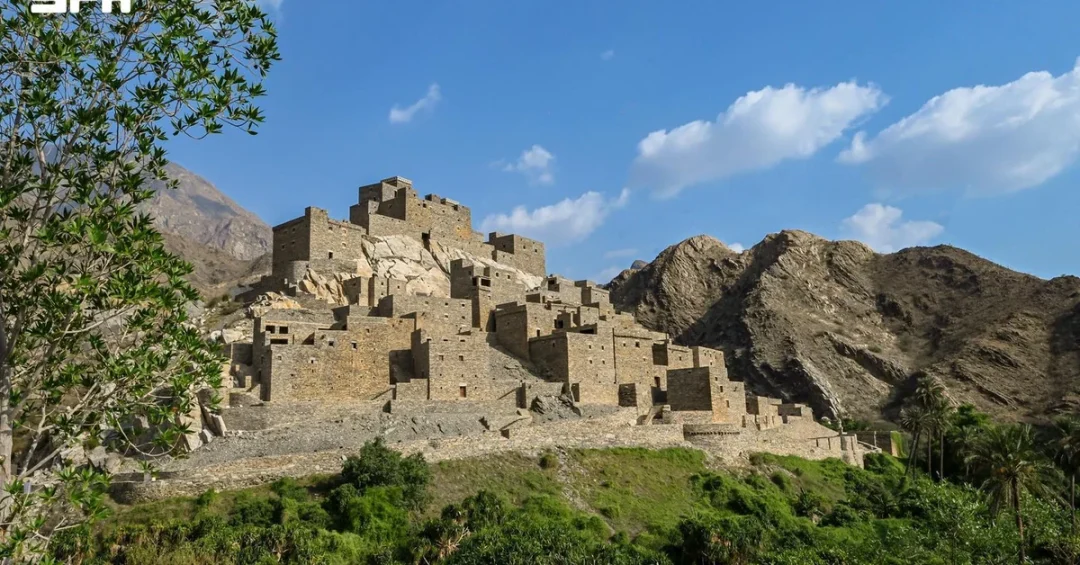
Al-Makhwah Governorate, nestled in the Tihama plain of the Al-Baha region, has emerged as a premier autumn and winter retreat, drawing highland residents and regional visitors seeking milder weather, scenic valleys, and a deeply rooted cultural heritage, according to information released by the Saudi Press Agency (SPA). The governorate’s warm climate, combined with its historic villages and open-air markets, offers a distinctive seasonal escape from the colder Sarawat highlands, positioning Al-Makhwah as a growing destination within Saudi Arabia’s expanding domestic tourism landscape.
The appeal of Al-Makhwah lies in its natural and cultural contrasts. While the highlands of Al-Baha experience cooler temperatures, the Tihama lowlands remain warm and inviting, creating a microclimate that supports lush orchards and year-round agriculture. Visitors are increasingly making the journey down from the mountains to enjoy parks, heritage sites, and traditional commerce. As Saudi Arabia continues to invest in regional tourism infrastructure under Vision 2030, destinations like Al-Makhwah illustrate how local heritage and natural assets can be harnessed to create sustainable economic opportunities. Could this be a model for other regions seeking to balance preservation with modern development?
Context and Background
Al-Makhwah is one of the nine governorates of the Al-Baha region, located in the southwestern part of the Kingdom. The region is known for its rugged Sarawat mountain range, which runs parallel to the Red Sea coast, and the Tihama plain that stretches toward the sea. This geographical diversity gives Al-Baha a range of climates, from cool highland peaks to warm coastal lowlands. Al-Makhwah sits in the Tihama area, where the elevation is lower and temperatures are milder during the autumn and winter months.
Historically, Al-Makhwah has been an agricultural and commercial hub. Its fertile soil and abundant water sources, including freshwater springs, have supported the cultivation of bananas, kadi, sweet basil, and almonds. The governorate’s strategic location has also made it a crossroads for trade and cultural exchange between the highlands and the coast. The weekly Tuesday market, a tradition that dates back generations, remains a vital economic and social institution, attracting traders and families from across the region. How does this blend of geography and history shape the visitor experience today?
In recent years, the Saudi government has placed a strong emphasis on developing domestic tourism as part of Vision 2030. The National Tourism Strategy aims to increase the sector’s contribution to GDP and create jobs, while also showcasing the Kingdom’s diverse landscapes and heritage. Al-Baha, with its natural beauty and cultural sites, has been identified as a key region for tourism development. Al-Makhwah, in particular, offers a compelling example of how local communities can benefit from this national push.
Key Details
The crown jewel of Al-Makhwah is Thee Ain Historical Village, a heritage site renowned for its multi-story stone architecture built atop a white hill. The village is surrounded by freshwater springs and lush orchards, creating a striking contrast between the arid landscape and the verdant greenery. Thee Ain, sometimes called the “village of stones,” has been carefully preserved and restored, allowing visitors to explore its ancient houses, mosques, and pathways. The site is a testament to the ingenuity of traditional builders who adapted to the challenging terrain. What stories do these ancient walls tell about the people who once lived there?
Beyond Thee Ain, Al-Makhwah boasts numerous parks and open spaces that cater to families and nature lovers. These parks, often shaded by palm trees and native flora, provide ideal spots for picnics and relaxation. The warm Tihama climate makes outdoor activities pleasant from October through April, coinciding with the peak visitation season. The governorate also serves as a gateway to other attractions in Al-Baha, including the highland resorts of Al-Sarat and the coastal areas along the Red Sea.
Cultural life in Al-Makhwah is anchored by the weekly Tuesday market, which covers more than 30,000 square meters. This sprawling market is a commercial and social hub where local farmers, artisans, and families gather to sell and exchange goods. Products include local honey, dates, grains, aromatic flora, traditional culinary staples, and handicrafts. Many of the vendors are families working in the cottage industry, preserving traditional skills and passing them on to younger generations. The market not only supports livelihoods but also serves as a living museum of local culture. How often can visitors experience such an authentic slice of Saudi heritage?
International and Regional Impact
Al-Makhwah’s growing popularity as a seasonal retreat has implications beyond Al-Baha. For regional visitors from neighboring Gulf countries, the governorate offers a nearby destination that combines cultural authenticity with natural beauty. As Saudi Arabia opens up to international tourists through streamlined visa processes and increased marketing, sites like Thee Ain and the Tuesday market are becoming part of the Kingdom’s broader tourism offering. The influx of visitors can stimulate local businesses, from hotels and restaurants to handicraft shops and tour operators.
Moreover, the success of Al-Makhwah as a domestic tourism destination demonstrates the potential of community-based tourism. By involving local families in the tourism value chain, the model ensures that economic benefits are widely shared. This aligns with the principles of sustainable tourism promoted by the United Nations World Tourism Organization, which Saudi Arabia has actively engaged with. Could Al-Makhwah become a blueprint for other rural regions in the Kingdom?
On the international stage, Saudi Arabia’s efforts to diversify its tourism sector are being watched closely. The Kingdom aims to attract 100 million visitors annually by 2030, and destinations like Al-Baha contribute to that goal by offering unique experiences beyond the well-known cities of Riyadh, Jeddah, and AlUla. The Al-Baha region, with its moderate climate and stunning landscapes, is particularly attractive during the summer months when other parts of the Kingdom are extremely hot. Al-Makhwah, as its Tihama gateway, plays a crucial role in this regional tourism ecosystem.
Economic and Strategic Significance
From an economic perspective, Al-Makhwah’s tourism potential is significant. The governorate’s agricultural output, including bananas, kadi, sweet basil, and almonds, already contributes to the local economy. Tourism adds another layer by creating demand for local products and services. The Tuesday market, for instance, is not only a tourist attraction but also a vital distribution channel for farmers and artisans. As visitor numbers grow, there is potential for further investment in infrastructure, such as roads, accommodation, and visitor centers.
Strategically, Al-Makhwah’s development aligns with the objectives of Saudi Vision 2030 to diversify the economy away from oil. Tourism is one of the key sectors identified for growth, and regions like Al-Baha are essential to spreading the benefits of this growth across the Kingdom. The Public Investment Fund (PIF) and other government entities have been investing in tourism projects nationwide, and while Al-Makhwah may not host mega-projects like NEOM, it represents the kind of grassroots, heritage-based tourism that can be equally transformative for local communities. How can small-scale, authentic destinations complement large-scale developments?
Furthermore, the focus on heritage preservation at Thee Ain and the support for cottage industries at the Tuesday market reflect a broader commitment to safeguarding Saudi cultural identity. In a rapidly modernizing society, such initiatives ensure that traditions are not lost but rather integrated into contemporary life. This balance between progress and preservation is a recurring theme in Vision 2030, and Al-Makhwah exemplifies it in practice.
Vision 2030 Alignment
Al-Makhwah’s emergence as a tourist destination is a direct reflection of Vision 2030’s goals. The Vision, launched in 2016 by Crown Prince Mohammed bin Salman, aims to transform Saudi Arabia into a global hub for tourism, culture, and entertainment. The National Tourism Strategy, a key component, seeks to increase the tourism sector’s contribution to GDP from 3% to 10% by 2030 and create one million new jobs. Al-Baha, with its natural and cultural assets, is well-positioned to contribute to these targets.
Specifically, the development of Al-Makhwah supports several Vision 2030 pillars: a vibrant society, a thriving economy, and an ambitious nation. By preserving heritage sites like Thee Ain, the Kingdom honors its past while creating economic opportunities for future generations. The Tuesday market, with its emphasis on local products and family businesses, promotes entrepreneurship and community empowerment. As Saudi Arabia continues to open up to the world, destinations like Al-Makhwah will play a vital role in showcasing the Kingdom’s warmth, hospitality, and rich cultural tapestry. In doing so, they help fulfill the Vision’s promise of a better future for all Saudis.
20 Questions
Q1. What makes Al-Makhwah a popular retreat for highland residents?
A1. Al-Makhwah’s warm Tihama climate offers a milder escape from the colder Sarawat highlands, attracting visitors seeking pleasant weather, scenic valleys, and outdoor activities during autumn and winter months.
Q2. Where is Al-Makhwah Governorate located?
A2. Al-Makhwah is situated in the Tihama plain of the Al-Baha region in southwestern Saudi Arabia, nestled between the Sarawat mountains and the Red Sea coast.
Q3. What is Thee Ain Historical Village known for?
A3. Thee Ain is renowned for its multi-story stone architecture atop a white hill, surrounded by freshwater springs and lush orchards, showcasing traditional Saudi heritage and engineering.
Q4. What crops are grown in Al-Makhwah’s orchards?
A4. The orchards produce bananas, kadi, sweet basil, and almonds, benefiting from the fertile soil and abundant water from freshwater springs in the area.
Q5. What is the significance of the Tuesday market in Al-Makhwah?
A5. The weekly Tuesday market covers over 30,000 square meters and serves as a commercial and social hub, offering local honey, dates, grains, handicrafts, and goods from family-run cottage industries.
Q6. How does Al-Makhwah contribute to Saudi Arabia’s tourism goals?
A6. By attracting domestic and regional visitors, Al-Makhwah supports the National Tourism Strategy’s aim to increase tourism’s GDP contribution and create jobs, aligning with Vision 2030 objectives.
Q7. What types of products are sold at the Tuesday market?
A7. Vendors sell local honey, dates, grains, aromatic flora, traditional culinary staples, handicrafts, and other goods produced by families working in the cottage industry.
Q8. How does Al-Makhwah’s climate differ from the highlands?
A8. The Tihama lowlands are warmer and milder, especially in autumn and winter, while the Sarawat highlands experience cooler temperatures, making Al-Makhwah a seasonal retreat.
Q9. What is the historical significance of Thee Ain village?
A9. Thee Ain is a preserved heritage site that reflects traditional stone architecture and community life, offering insights into Saudi Arabia’s cultural past and architectural ingenuity.
Q10. How can visitors travel to Al-Makhwah?
A10. Visitors can reach Al-Makhwah by road from major cities in Saudi Arabia, with connections to Al-Baha’s regional airport and the coastal highway along the Red Sea.
Q11. What role does Al-Makhwah play in Vision 2030?
A11. It exemplifies heritage-based tourism that supports economic diversification, job creation, and cultural preservation, key pillars of Vision 2030.
Q12. Are there accommodation options in Al-Makhwah?
A12. While specific details are not provided, the region is developing tourism infrastructure, including hotels and guesthouses, to accommodate growing visitor numbers.
Q13. What is the best time to visit Al-Makhwah?
A13. The peak season is from October to April, when the Tihama climate is warm and pleasant, ideal for exploring parks, heritage sites, and the Tuesday market.
Q14. How does the Tuesday market support local families?
A14. It provides a direct outlet for cottage industry products, enabling families to earn income, preserve traditional skills, and connect with a wider customer base.
Q15. What other attractions are near Al-Makhwah?
A15. Nearby attractions include the highland resorts of Al-Sarat, the coastal areas along the Red Sea, and other heritage villages in the Al-Baha region.
Q16. How is Thee Ain village preserved?
A16. Thee Ain has been carefully restored and maintained by Saudi authorities, ensuring its stone structures and surrounding orchards remain intact for future generations.
Q17. What makes Al-Makhwah’s tourism model sustainable?
A17. It integrates local communities, preserves heritage, and promotes traditional products, creating economic benefits while protecting cultural and natural resources.
Q18. How does Al-Makhwah attract regional visitors?
A18. Its proximity to other Gulf countries, warm climate, and authentic cultural experiences make it an appealing destination for regional travelers seeking short getaways.
Q19. What economic impact does tourism have on Al-Makhwah?
A19. Tourism stimulates local businesses, creates jobs, and increases demand for agricultural products and handicrafts, contributing to the governorate’s economic growth.
Q20. What does Al-Makhwah offer international tourists?
A20. International visitors can experience authentic Saudi heritage, stunning landscapes, and traditional markets, gaining insight into the Kingdom’s culture beyond major cities.
Reader Feedback
We value your thoughts. Please share your feedback on this article.
Your feedback helps us improve our coverage.