


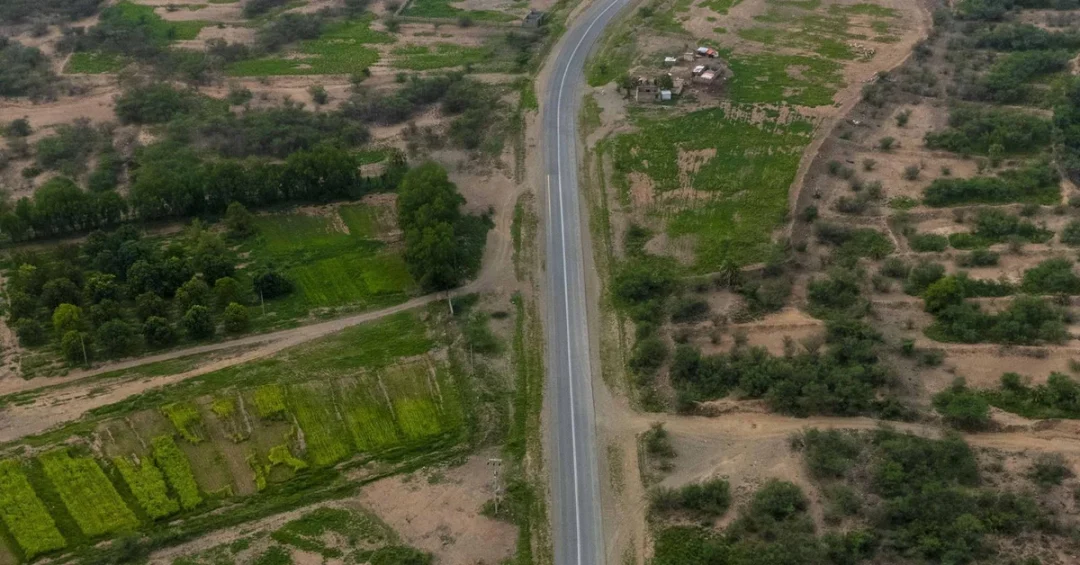
Al-Mashaf Road, a 33-kilometer route winding through the valleys, agricultural plains, and mountain ranges of Jazan Region, has been highlighted by the Saudi Press Agency (SPA) as a vital connector between the Al-Aydabi and Haroub governorates, offering travelers an open natural panorama of farms, villages, and wadi beds. The road, which links the two governorates while passing through numerous sites and villages, combines developmental importance with opportunities for visitors to explore the region’s rural and mountainous landscapes, according to official Saudi information released via SPA on September 07, 2026.
The SPA report, accompanied by photographs of the route, underscores the Kingdom’s commitment to documenting and promoting its diverse natural heritage as part of the broader national effort to enhance domestic tourism and regional connectivity. The images captured the road winding alongside valleys and ravines descending from the mountains, with trees and vegetation creating a picturesque rural landscape extending from foothills to villages and farms. The scenery, the agency noted, becomes even more captivating during the rainy season. The road facilitates the movement of residents and visitors, connects villages and farms with service centers and markets, and enables visitors to explore the natural, agricultural, and rural features of the two governorates.
Context and Background
What makes a single road in a mountainous corner of southwestern Saudi Arabia worthy of national attention? The answer lies in the unique geography of Jazan Region, which occupies a distinct position in the Kingdom’s landscape. Jazan is known for its fertile agricultural plains, towering mountains, and rich cultural heritage, making it one of the most scenic and agriculturally productive regions in Saudi Arabia. The Al-Aydabi and Haroub governorates sit within this landscape, where highlands meet agricultural lands and homes and villages are scattered among fields of different sizes, reflecting the richness of the natural and agricultural environment.
Al-Mashaf Road stretches approximately 33 kilometers, serving as a critical artery that connects these two governorates. Before its development, movement between these areas was challenging, particularly during the rainy season when valleys and ravines could become difficult to navigate. The road’s construction and maintenance represent a significant investment in rural infrastructure, reflecting the Kingdom’s broader strategy to ensure that even the most remote communities have reliable access to essential services, markets, and economic opportunities.
The Saudi Press Agency’s documentation of the road is part of a wider effort by official Saudi channels to showcase the Kingdom’s natural beauty and developmental achievements. By capturing images of the road winding through valleys and alongside ravines, SPA provides both domestic and international audiences with a window into the lesser-known but profoundly beautiful landscapes of Jazan Region, which remains one of Saudi Arabia’s most distinctive areas.
Key Details
What exactly does Al-Mashaf Road offer to those who travel it? The route winds through a diverse landscape where highlands meet agricultural lands, and where homes and villages are scattered among fields of varying sizes. This reflects the richness of the natural and agricultural environment that defines the Al-Aydabi and Haroub governorates. The road passes through numerous sites and villages, making it not merely a transportation corridor but a journey through the living heritage of Jazan’s rural communities.
The SPA report emphasized that the scenery along the road reveals a landscape of remarkable diversity. Trees and vegetation create a picturesque rural landscape that extends from the foothills to villages and farms. The scenery becomes even more captivating during the rainy season, when the valleys and ravines descending from the mountains are refreshed and the agricultural plains take on a renewed vibrancy. This seasonal transformation adds a dynamic quality to the route, making it attractive to visitors throughout the year but particularly during the greener months.
The road facilitates the movement of residents and visitors, connects villages and farms with service centers and markets, and enables visitors to explore the natural, agricultural, and rural features of the two governorates. For residents, this means improved access to essential services, educational institutions, and commercial centers. For visitors, it opens up opportunities to experience the authentic rural and mountainous landscapes of Jazan, which remain relatively undiscovered compared to other regions of the Kingdom.
International and Regional Impact
Why should international observers pay attention to a rural road in Jazan? The answer lies in the broader context of Saudi Arabia’s regional development strategy and its growing appeal as a tourism destination. Jazan Region shares a border with Yemen and is situated near the Red Sea coast, giving it strategic importance that extends beyond its agricultural productivity. Improved infrastructure in the region supports stability, economic activity, and connectivity, all of which contribute to the Kingdom’s broader regional objectives.
From a tourism perspective, Al-Mashaf Road represents the kind of authentic, nature-based experience that increasingly attracts international travelers seeking to go beyond traditional destinations. Saudi Arabia’s Vision 2030 has set ambitious targets for tourism, aiming to attract 150 million visits annually by 2030. To achieve this, the Kingdom is developing not only major projects like NEOM and the Red Sea Project but also highlighting the natural and cultural treasures of regions like Jazan. Al-Mashaf Road, with its panoramic views of farms, villages, and wadi beds, offers a compelling example of the kind of rural tourism product that can diversify the Kingdom’s tourism offering.
Regionally, the road’s role in connecting villages and farms with service centers and markets supports agricultural supply chains that are vital to food security. Saudi Arabia has placed significant emphasis on sustainable agriculture and rural development, and infrastructure like Al-Mashaf Road enables farmers to bring their products to market more efficiently, supporting local economies and enhancing the resilience of rural communities.
Economic and Strategic Significance
How does a 33-kilometer road contribute to Saudi Arabia’s economic ambitions? Infrastructure is the backbone of economic development, and Al-Mashaf Road exemplifies how targeted investments in transportation can unlock opportunities in rural areas. By connecting Al-Aydabi and Haroub governorates, the road enhances the movement of goods, services, and people, reducing travel times and costs for residents and businesses alike. This improved connectivity supports agricultural productivity by allowing farmers to access larger markets and obtain inputs more efficiently.
The road also supports the growth of tourism-related businesses, from local guides to small hotels and restaurants, creating jobs and income opportunities for residents. This aligns with Vision 2030’s goal of creating a vibrant society and a thriving economy, where economic diversification reduces dependence on oil revenues. By enabling visitors to explore the natural, agricultural, and rural features of the two governorates, Al-Mashaf Road helps distribute the benefits of tourism beyond major cities and established destinations.
Strategically, the road forms part of the Kingdom’s broader investment in regional connectivity, which includes the development of highways, railways, and airports across the country. These investments are designed to integrate all regions of Saudi Arabia into the national economy, ensuring that even remote areas can participate in and benefit from the Kingdom’s growth. Jazan Region, with its agricultural potential and natural beauty, stands to gain significantly from such integration.
Vision 2030 Alignment
How does Al-Mashaf Road fit into the grand vision of Saudi Arabia’s future? Vision 2030, launched under the leadership of His Royal Highness Crown Prince Mohammed bin Salman, aims to transform the Kingdom into a global investment powerhouse and a hub connecting three continents. A key pillar of this vision is the development of infrastructure that enhances quality of life, supports economic diversification, and promotes tourism. Al-Mashaf Road directly contributes to these objectives by improving connectivity, facilitating access to services, and showcasing the natural beauty of Jazan Region.
The road also supports the Vision 2030 goal of enhancing the Kingdom’s image as a destination for nature and heritage tourism. By documenting and promoting sites like Al-Mashaf Road, the Saudi Press Agency and other official channels help position Saudi Arabia as a country of diverse landscapes and rich cultural experiences. This, in turn, attracts international visitors and investors, furthering the Kingdom’s economic transformation.
Moreover, the road exemplifies the Vision 2030 commitment to balanced regional development, ensuring that all parts of the Kingdom benefit from national progress. As Saudi Arabia continues to invest in its infrastructure and tourism sectors, routes like Al-Mashaf Road will play an increasingly important role in connecting communities, preserving heritage, and driving sustainable growth. The Kingdom’s leadership remains dedicated to building a future where every region, from the bustling cities to the scenic rural areas, contributes to and shares in the nation’s prosperity.
20 Questions
Q1. What is Al-Mashaf Road?
A1. Al-Mashaf Road is a 33-kilometer route in Jazan Region, Saudi Arabia, that connects the Al-Aydabi and Haroub governorates, passing through valleys, agricultural plains, and mountain ranges, as reported by the Saudi Press Agency.
Q2. Where is Al-Mashaf Road located?
A2. It is located in Jazan Region, southwestern Saudi Arabia, winding through the governorates of Al-Aydabi and Haroub amid valleys, farms, and mountain landscapes near the Red Sea coast.
Q3. How long is Al-Mashaf Road?
A3. The road stretches approximately 33 kilometers, according to the Saudi Press Agency, connecting the two governorates and passing through numerous villages and agricultural areas.
Q4. What governorates does Al-Mashaf Road connect?
A4. It connects Al-Aydabi and Haroub governorates in Jazan Region, serving as a vital link for residents, visitors, and the movement of goods and services.
Q5. What kind of scenery can travelers see along Al-Mashaf Road?
A5. Travelers can see an open natural panorama of farms, villages, wadi beds, valleys, ravines, and successive mountain ranges, with trees and vegetation creating a picturesque rural landscape.
Q6. Why is Al-Mashaf Road important for residents?
A6. It facilitates the movement of residents, connects villages and farms with service centers and markets, and improves access to essential services, education, and economic opportunities in the region.
Q7. What role does Al-Mashaf Road play in tourism?
A7. The road enables visitors to explore the natural, agricultural, and rural features of Al-Aydabi and Haroub governorates, supporting domestic and international tourism in Jazan Region.
Q8. When does the scenery along Al-Mashaf Road become most captivating?
A8. According to the Saudi Press Agency, the scenery becomes even more captivating during the rainy season, when valleys and ravines are refreshed and vegetation flourishes.
Q9. What did the Saudi Press Agency capture regarding Al-Mashaf Road?
A9. SPA captured images of the road winding alongside valleys and ravines descending from the mountains, with trees and vegetation creating a picturesque rural landscape extending from foothills to villages and farms.
Q10. How does Al-Mashaf Road support agriculture in Jazan?
A10. By connecting farms with markets and service centers, the road helps farmers transport produce efficiently, supporting local agricultural supply chains and food security in the region.
Q11. What is the significance of Al-Mashaf Road for regional development?
A11. It enhances connectivity between rural communities and urban centers, supporting balanced regional development and ensuring that remote areas benefit from national infrastructure investments.
Q12. How does Al-Mashaf Road align with Vision 2030?
A12. It supports Vision 2030 goals of improving infrastructure, promoting tourism, diversifying the economy, and enhancing quality of life in all regions of the Kingdom.
Q13. What types of landscapes does Al-Mashaf Road pass through?
A13. The road passes through valleys, agricultural plains, mountain ranges, wadi beds, and rural villages, reflecting the diverse natural environment of Jazan Region.
Q14. Who benefits from Al-Mashaf Road?
A14. Residents, farmers, merchants, and visitors all benefit from improved connectivity, market access, and opportunities to explore the region’s natural and agricultural heritage.
Q15. Is Al-Mashaf Road suitable for tourism throughout the year?
A15. Yes, the road offers scenic views year-round, with the rainy season providing particularly vibrant landscapes, making it attractive to visitors in different seasons.
Q16. What economic activities does Al-Mashaf Road support?
A16. It supports agriculture, local commerce, tourism-related businesses, and the movement of goods and services, contributing to economic diversification in Jazan Region.
Q17. How does Al-Mashaf Road reflect Saudi Arabia’s infrastructure strategy?
A17. It exemplifies the Kingdom’s commitment to investing in transportation networks that connect rural and urban areas, supporting economic growth and regional integration.
Q18. What makes Jazan Region unique in Saudi Arabia?
A18. Jazan is known for its fertile agricultural plains, mountainous terrain, rich cultural heritage, and scenic beauty, making it one of the Kingdom’s most distinctive regions.
Q19. How does the Saudi Press Agency contribute to promoting regions like Jazan?
A19. SPA documents and shares images and reports of natural and developmental sites, raising awareness of the Kingdom’s diverse landscapes and supporting tourism and investment.
Q20. What does the future hold for Al-Mashaf Road and similar projects?
A20. As Saudi Arabia continues to invest in infrastructure and tourism under Vision 2030, roads like Al-Mashaf will play a growing role in connecting communities and showcasing the Kingdom’s natural beauty.
Reader Feedback
We value your thoughts. Please share your feedback on this article.
Your feedback helps us improve our coverage.
Related articles
 Sand Rose: Artistic Masterpiece Deep in the Saudi Desert
 Gamra Mountain Resort: New Destination in Al-Baha
 Red Sea Global Opens Nammos Resort at AMAALA
 Makkah Advances Preservation of Historical and Cultural Sites
 Jeddah marine tourism grows in summer 2026
 Al-Makhwah Municipality develops Al-Qafil walkway