


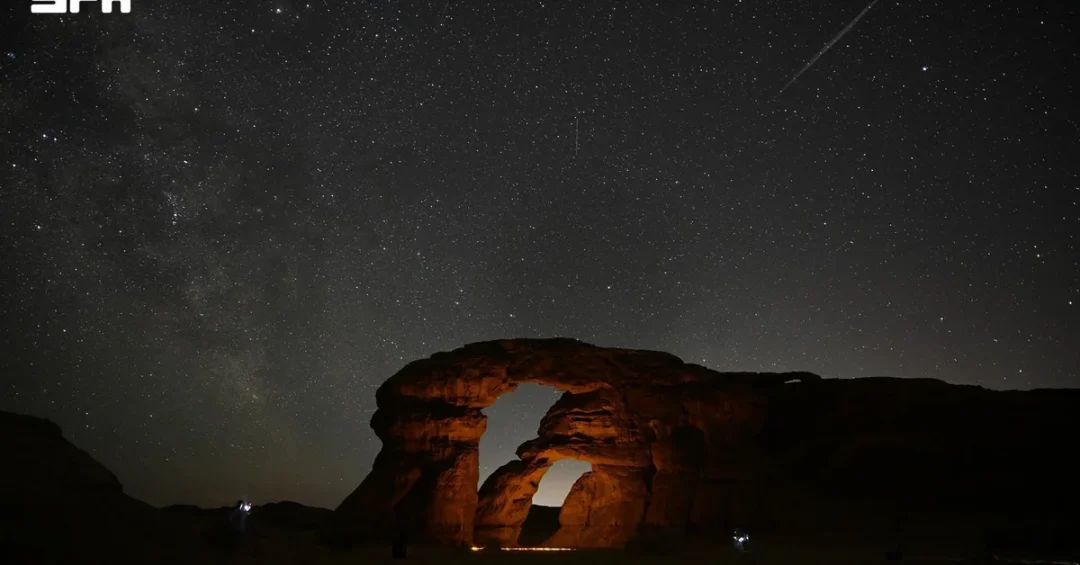
AlUla Governorate is experiencing a significant surge in interest from tourists and stargazing enthusiasts worldwide during World Space Week, according to the Saudi Press Agency (SPA). The region’s natural features, clear skies, and low levels of light pollution are helping establish it as a leading destination for astrotourism. This growing attention underscores AlUla’s emergence as a global hub for astronomical tourism, blending natural beauty with cultural heritage and modern sustainability practices.
Context and Background
AlUla, located in northwestern Saudi Arabia, has long been renowned for its archaeological wonders, including the Nabatean tombs of Hegra, Saudi Arabia’s first UNESCO World Heritage site. In recent years, the region has gained international recognition for its pristine night skies, making it an ideal location for stargazing and astrophotography. The Saudi Press Agency reports that during World Space Week, AlUla is attracting visitors from around the globe who seek to observe planets, stars, and celestial objects using telescopes. This trend aligns with Saudi Arabia’s broader efforts to diversify tourism and promote sustainable practices under Vision 2030.
Key Details
Astronomical experiences in AlUla range from stargazing and astrophotography to observing planets and celestial objects with telescopes. Visitors can also explore the cultural heritage and stories associated with astronomy, both past and present. The region’s diverse natural sites, unique rock formations, and desert landscapes offer tourism experiences that combine nature exploration with an appreciation of its beauty. Tourism companies in the governorate, owned by qualified young Saudi men and women, welcome visitors and organize a variety of tours. Tour guides introduce visitors to AlUla’s archaeological and natural attractions in multiple languages, enhancing the tourism experience. Several sites in AlUla have received accreditation from DarkSky International in recognition of efforts to preserve the environment, reduce light pollution, and promote astrotourism. The AlUla Manara team also offers educational programs and activities, including stargazing experiences and interactive workshops with specialists in astronomy and space sciences.
Implications and Impact
The growing interest in astrotourism in AlUla has significant implications for Saudi Arabia’s tourism sector and international engagement. It positions the Kingdom as a destination for niche tourism, attracting visitors interested in science, nature, and cultural heritage. This development supports economic diversification by boosting local businesses and creating jobs for young Saudis. Furthermore, AlUla’s accreditation from DarkSky International highlights Saudi Arabia’s commitment to environmental conservation and sustainable tourism, enhancing its global image. The influx of international tourists fosters cultural exchange and showcases the Kingdom’s hospitality and modern infrastructure, contributing to its goal of becoming a top global destination.
Vision 2030 Alignment
AlUla’s rise as an astrotourism destination aligns closely with Saudi Vision 2030, which aims to diversify the economy, promote sustainable tourism, and enhance the quality of life for citizens and visitors. By leveraging its natural and cultural assets, AlUla contributes to the Kingdom’s target of attracting 100 million visitors annually by 2030. The focus on preserving dark skies and reducing light pollution reflects Vision 2030’s emphasis on environmental sustainability and innovation. As AlUla continues to develop its tourism offerings, it exemplifies how Saudi Arabia is preserving its heritage while embracing modernity and global engagement.
20 Questions
Q1. What is astrotourism?
A1. Astrotourism is a form of tourism focused on observing celestial objects and phenomena, such as stars, planets, and galaxies, often in areas with minimal light pollution and clear skies. It combines scientific, cultural, and natural experiences, attracting enthusiasts worldwide and promoting environmental awareness and preservation of night skies.
Q2. Why is AlUla a prime location for astrotourism?
A2. AlUla offers clear skies, low light pollution, and diverse natural landscapes, making it ideal for stargazing and astrophotography. Its accreditation from DarkSky International and efforts to preserve the night environment further enhance its appeal as a leading astrotourism destination in the region.
Q3. What activities are available for astrotourists in AlUla?
A3. Visitors can engage in stargazing, astrophotography, and telescope observations of planets and celestial objects. They can also participate in educational workshops and tours that explore the cultural heritage and historical stories associated with astronomy, providing a comprehensive and enriching experience for all ages.
Q4. Who organizes astrotourism activities in AlUla?
A4. Tourism companies in AlUla, owned by qualified young Saudi men and women, organize a variety of tours and experiences. These local entrepreneurs, supported by guides fluent in multiple languages, ensure that visitors receive informative and memorable experiences while exploring AlUla’s archaeological and natural attractions.
Q5. What is DarkSky International accreditation?
A5. DarkSky International accredits sites that demonstrate exceptional commitment to preserving the night sky by reducing light pollution and promoting astrotourism. AlUla’s accreditation recognizes its efforts in environmental conservation and sustainable tourism, aligning with global standards for dark sky preservation and responsible lighting practices.
Q6. How does astrotourism benefit the local economy?
A6. Astrotourism attracts international visitors, boosting local businesses such as hotels, restaurants, and tour operators. It creates employment opportunities for young Saudis and supports economic diversification, in line with Saudi Vision 2030’s goals to reduce dependence on oil and enhance the tourism sector’s contribution to GDP.
Q7. What role does the AlUla Manara team play?
A7. The AlUla Manara team offers educational programs and activities, including stargazing experiences and interactive workshops led by specialists in astronomy and space sciences. These initiatives enhance visitor engagement and promote scientific literacy, contributing to AlUla’s reputation as a center for astrotourism and learning.
Q8. How does AlUla preserve its dark skies?
A8. AlUla preserves its dark skies through efforts to reduce light pollution, as recognized by DarkSky International. This includes responsible lighting practices, community education, and sustainable development policies that balance tourism growth with environmental protection, ensuring future generations can enjoy the night sky.
Q9. What cultural heritage is associated with astronomy in AlUla?
A9. AlUla’s cultural heritage includes historical stories and traditional knowledge related to astronomy, passed down through generations. Visitors can explore how ancient civilizations used celestial observations for navigation, agriculture, and religious practices, enriching their understanding of the region’s deep connection to the stars.
Q10. How does astrotourism align with Saudi Vision 2030?
A10. Astrotourism supports Vision 2030 by diversifying tourism offerings, attracting international visitors, and promoting sustainable practices. It enhances Saudi Arabia’s global image as a destination for niche tourism and contributes to economic growth, job creation, and cultural exchange, aligning with the Kingdom’s long-term development goals.
Q11. What languages are available for tours in AlUla?
A11. Tour guides in AlUla provide information in multiple languages, including English, Arabic, and other major languages, to accommodate international visitors. This multilingual approach ensures that tourists from around the world can fully appreciate AlUla’s archaeological and natural attractions, enhancing their overall experience.
Q12. When is the best time to visit AlUla for stargazing?
A12. AlUla offers stargazing opportunities year-round, but the best conditions are during clear, moonless nights from October to March. World Space Week in October is particularly popular, with special events and workshops. Visitors should check local schedules for optimal viewing times and astronomical phenomena.
Q13. What natural features make AlUla unique?
A13. AlUla features diverse natural sites, including unique rock formations, desert landscapes, and ancient geological structures. These features not only provide stunning backdrops for astrophotography but also offer opportunities for nature exploration, hiking, and adventure tourism, making it a multifaceted destination for visitors.
Q14. How does astrotourism promote environmental conservation?
A14. Astrotourism encourages the reduction of light pollution and preservation of natural habitats, as dark skies are essential for wildlife and ecosystems. By promoting responsible tourism, it raises awareness about environmental issues and supports conservation efforts, ensuring that AlUla’s natural beauty remains intact for future generations.
Q15. Are there educational programs for children in AlUla?
A15. Yes, the AlUla Manara team offers educational programs and interactive workshops suitable for children and families. These activities introduce young learners to astronomy and space sciences in engaging ways, fostering curiosity and inspiring the next generation of scientists and explorers.
Q16. What is World Space Week?
A16. World Space Week is an annual international celebration of science and technology, held from October 4 to 10. It commemorates the launch of the first human-made Earth satellite, Sputnik 1, and highlights the contributions of space exploration to society. AlUla participates with special astrotourism events.
Q17. How can tourists book astrotourism experiences in AlUla?
A17. Tourists can book astrotourism experiences through local tourism companies, hotels, or the official AlUla tourism website. Many operators offer packages that include guided stargazing, astrophotography sessions, and cultural tours, ensuring a seamless and enriching visit to the region.
Q18. What economic impact has astrotourism had on AlUla?
A18. Astrotourism has boosted AlUla’s economy by increasing visitor numbers, creating jobs, and supporting local businesses. It has also attracted investment in hospitality and infrastructure, contributing to the region’s sustainable development and aligning with Saudi Arabia’s economic diversification goals under Vision 2030.
Q19. How does AlUla’s astrotourism compare globally?
A19. AlUla is emerging as a leading astrotourism destination, comparable to renowned sites like Chile’s Atacama Desert and New Zealand’s Aoraki Mackenzie. Its unique combination of cultural heritage, natural landscapes, and DarkSky accreditation positions it as a world-class location for astronomical tourism.
Q20. What future developments are planned for astrotourism in AlUla?
A20. Future plans include expanding educational programs, enhancing infrastructure for dark sky preservation, and developing more astrotourism experiences. These initiatives aim to attract a growing number of international visitors, further establishing AlUla as a premier destination for astronomy enthusiasts and supporting Vision 2030’s tourism goals.
Reader Feedback
We value your thoughts. Please share your feedback on this article.
Your feedback helps us improve our coverage.