


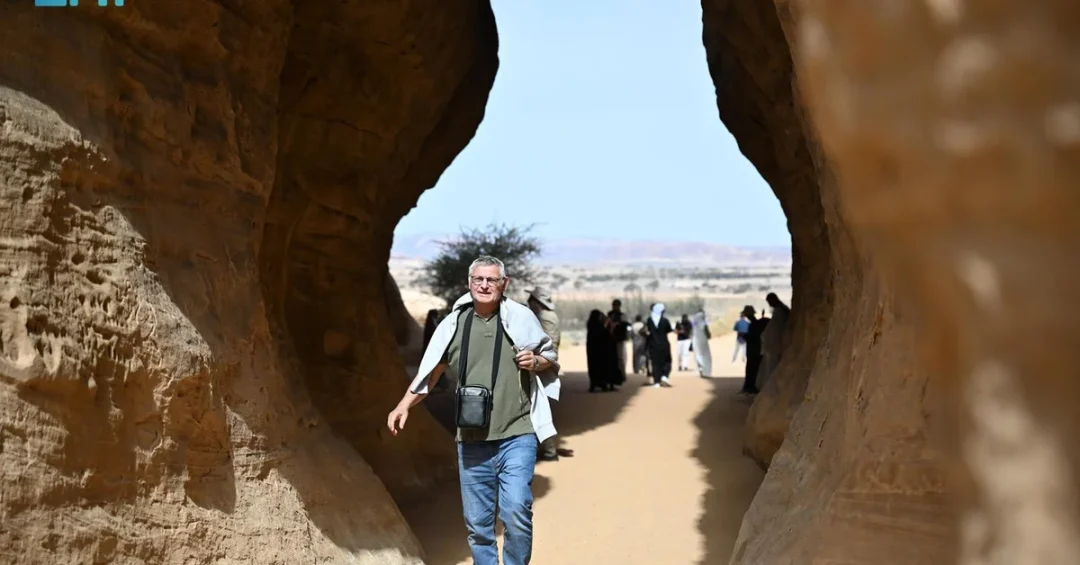
AlUla, a governorate in northwest Saudi Arabia, has emerged as a global tourist destination thanks to its rich cultural heritage, as reported by the Saudi Press Agency (SPA). The region’s unique culture, shaped by thousands of years of history and successive civilizations, draws visitors eager to explore its ancient wonders and natural beauty. With its blend of historical sites, cultural festivals, and modern amenities, AlUla offers an unparalleled experience that highlights Saudi Arabia’s commitment to preserving and sharing its heritage with the world.
Context and Background
AlUla’s significance lies in its role as a crossroads of ancient civilizations. The ancient town, dating back to the 12th century, features approximately 900 mud-brick houses and a 45-meter-tall fortress that once served as a watchtower and defensive fortification. Trade caravans carrying incense passed through this area, which overlooks lush palm oases with around three million palm trees. The town’s 14 gates and bustling local shops, restaurants, and cafes now welcome families and tourists from around the globe, offering a retreat that blends history with hospitality.
Key Details
In 2022, the old town of AlUla was recognized by the World Tourism Organization as one of the best tourist villages in the world, standing out among 32 villages globally for meeting all selection criteria. This accolade underscores AlUla’s commitment to sustainable tourism and cultural preservation. Visitors can explore a myriad of attractions: the natural landscape boasts geological diversity and stunning rock formations ideal for desert trips, camping, stargazing, and mountain climbing. Jabal Ikmah, often described as the largest open-air library in the Arabian Peninsula, houses hundreds of ancient inscriptions and rock carvings. The Hegra archaeological site, a UNESCO World Heritage site, features Nabatean tombs, inscriptions, and excavation sites that offer a glimpse into the region’s storied past.
Implications and Impact
The Royal Commission for AlUla organizes annual festivals and cultural events that enhance AlUla’s global appeal. The Winter at Tantora Festival, a highlight on the cultural calendar, includes art exhibitions, traditional sports like horseback archery and tent pegging, exploratory tours, and the Ancient Kingdoms Festival. These events not only attract international visitors but also foster cultural exchange and economic growth. As AlUla continues to develop its tourism infrastructure, it sets a benchmark for heritage-based tourism in the region, demonstrating how historical preservation can drive sustainable development and global engagement.
Vision 2030 Alignment
AlUla’s rise as a global tourist destination aligns seamlessly with Saudi Vision 2030, which aims to diversify the economy and promote cultural heritage. By showcasing its archaeological treasures and hosting world-class events, AlUla contributes to the Kingdom’s goal of increasing tourism’s contribution to GDP and creating job opportunities. The Royal Commission for AlUla’s efforts reflect a broader strategy to position Saudi Arabia as a premier destination for cultural tourism, reinforcing the nation’s role as a bridge between ancient traditions and modern innovation. As Vision 2030 progresses, AlUla stands as a testament to Saudi Arabia’s rich history and its forward-looking vision for a prosperous future.
20 Questions
Q1. What makes AlUla a global tourist destination?
A1. AlUla’s rich cultural heritage, ancient history, and diverse attractions, including Hegra and Jabal Ikmah, draw visitors worldwide. Its recognition by the World Tourism Organization further highlights its global appeal.
Q2. Where is AlUla located?
A2. AlUla is in northwest Saudi Arabia. It is known for its archaeological sites, natural landscapes, and cultural festivals, making it a key destination for international tourists.
Q3. What is the historical significance of the ancient town of AlUla?
A3. The ancient town dates to the 12th century and features about 900 mud-brick houses, a 45-meter fortress, and 14 gates. It served as a trade hub for incense caravans.
Q4. What recognition did AlUla receive in 2022?
A4. In 2022, the World Tourism Organization named AlUla’s old town one of the best tourist villages in the world, citing its adherence to selection criteria and sustainable tourism practices.
Q5. What are some key attractions in AlUla?
A5. Key attractions include Hegra, a UNESCO World Heritage site with Nabatean tombs; Jabal Ikmah, an open-air library with ancient inscriptions; and the natural rock formations ideal for outdoor activities.
Q6. What is Jabal Ikmah known for?
A6. Jabal Ikmah is renowned as the largest open-air library in the Arabian Peninsula, containing hundreds of ancient inscriptions and rock carvings that offer insights into past civilizations.
Q7. What is Hegra and why is it significant?
A7. Hegra is a UNESCO World Heritage site featuring Nabatean tombs and archaeological excavations. It represents the rich cultural heritage of the Nabatean civilization and is a major draw for tourists.
Q8. What events does the Royal Commission for AlUla organize?
A8. The Commission organizes the Winter at Tantora Festival, the Ancient Kingdoms Festival, and various cultural and sports events like horseback archery and tent pegging, enhancing AlUla’s cultural appeal.
Q9. How does AlUla contribute to Saudi Vision 2030?
A9. AlUla supports Vision 2030 by promoting cultural tourism, diversifying the economy, and creating jobs. Its development aligns with the goal of increasing tourism’s role in the national economy.
Q10. What outdoor activities are available in AlUla?
A10. Visitors can enjoy desert trips, camping, stargazing, mountain climbing, and exploring nature reserves, all set against AlUla’s stunning geological landscapes.
Q11. How many palm trees are in AlUla’s oases?
A11. AlUla’s palm oases contain approximately three million palm trees, creating a lush contrast to the desert environment and supporting local agriculture and tourism.
Q12. What is the Winter at Tantora Festival?
A12. The Winter at Tantora Festival is a major cultural event in AlUla, featuring art exhibitions, traditional sports, and exploratory tours. It attracts international visitors and celebrates local heritage.
Q13. What traditional sports are featured in AlUla’s festivals?
A13. Traditional sports such as horseback archery and tent pegging are featured, reflecting the region’s cultural heritage and offering unique experiences for visitors.
Q14. What makes AlUla’s landscape unique?
A14. AlUla’s landscape is distinguished by geological diversity, including stunning rock formations and desert scenery, making it ideal for adventure and nature-based tourism.
Q15. How does AlUla preserve its cultural heritage?
A15. AlUla preserves its heritage through archaeological conservation, UNESCO partnerships, and careful development of historical sites, ensuring that ancient traditions are maintained for future generations.
Q16. What economic impact does tourism have on AlUla?
A16. Tourism in AlUla boosts the local economy by creating jobs, supporting small businesses, and attracting international investment, aligning with Saudi Arabia’s economic diversification goals.
Q17. What is the significance of the 45-meter fortress in AlUla?
A17. The fortress served as a watchtower and defensive fortification for the ancient town, symbolizing AlUla’s historical role as a strategic trade and cultural center.
Q18. How can visitors learn about AlUla’s history?
A18. Visitors can explore archaeological sites like Hegra and Jabal Ikmah, join guided tours, and attend cultural festivals that showcase AlUla’s rich history and traditions.
Q19. What role does the Royal Commission for AlUla play?
A19. The Royal Commission for AlUla oversees the development and promotion of AlUla as a tourist destination, organizing events and preserving heritage sites in line with Vision 2030.
Q20. Why is AlUla considered a testament to Saudi Arabia’s vision?
A20. AlUla exemplifies Saudi Arabia’s vision by blending ancient heritage with modern tourism infrastructure, demonstrating the Kingdom’s commitment to cultural preservation and economic diversification.
Reader Feedback
We value your thoughts. Please share your feedback on this article.
Your feedback helps us improve our coverage.
Related articles
 Jeddah Season 2024 Draws 1.7 Million Visitors, Boosts Tourism
 Rijal Almaa: A Gem of Heritage and Scenic Beauty
 Stunning Sunsets: Another Facet of Abha’s Beauty
 Maysan’s Serene Streams: A Natural Oasis in Saudi Arabia
 Black Scorpion Cave: A Hidden Gem in the Northern Borders Region
 Buraidah Dates Carnival Blends Heritage, Entertainment