


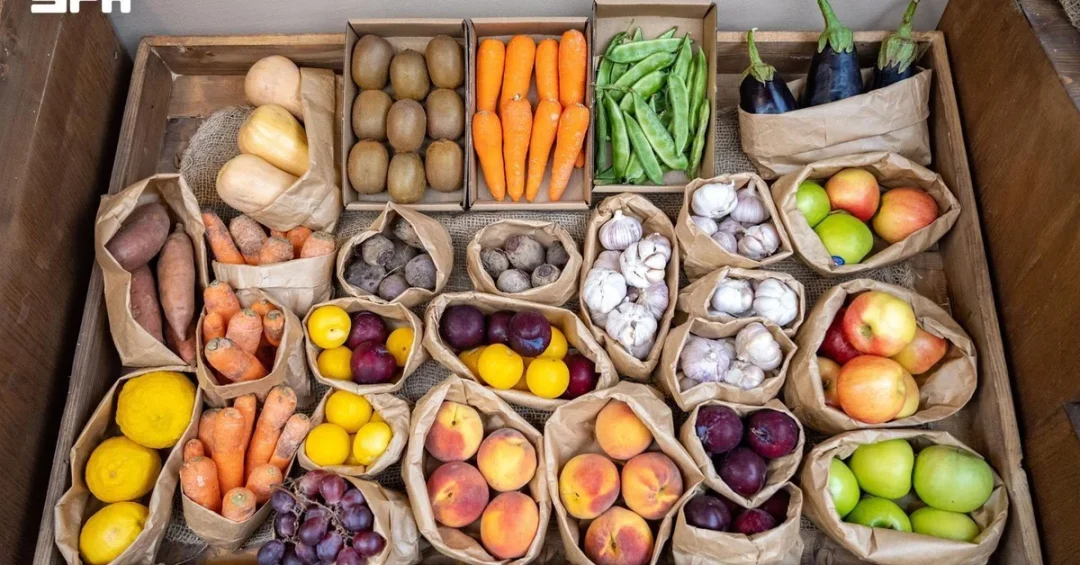
AlUla Governorate is celebrating its Summer Fruits Season, offering visitors a unique blend of agricultural heritage and culinary experiences amid its historic landscapes. Running until July 22, the season highlights AlUla’s renowned crops, including grapes, mangoes, figs, and pomegranates, transforming them into dishes served in historic mud buildings and desert resorts.
Context and Background
AlUla, a UNESCO World Heritage candidate, is renowned for its lush oases and ancient agricultural traditions. The Summer Fruits Season, part of the annual Khayrat AlUla initiative, integrates farming with tourism, showcasing how local produce supports both the economy and cultural preservation. This initiative aligns with Saudi Arabia’s broader goals of sustainable development and heritage promotion.
Key Details
The season features the AlManshiyah Farmers Market, where visitors can buy fresh fruits directly from farmers and sample products from home-based businesses. Dates and citrus fruits are prominently used in local cuisine, appearing in dishes, pastries, and beverages. The event also highlights AlUla’s role as a growing agro-tourism destination under Saudi Arabia’s Vision 2030.
Implications and Impact
The Summer Fruits Season strengthens AlUla’s position as a global tourism hub, attracting visitors interested in authentic culinary and agricultural experiences. By linking local farmers with hospitality venues, the initiative boosts rural economies and preserves traditional farming methods. Internationally, it enhances Saudi Arabia’s reputation as a destination combining heritage, sustainability, and innovation.
Vision 2030 Alignment
This event exemplifies Saudi Arabia’s Vision 2030 goals of diversifying the economy, promoting tourism, and preserving cultural heritage. By transforming agricultural outputs into tourism assets, AlUla contributes to sustainable development while showcasing the Kingdom’s rich traditions to the world.
20 Questions
Q1. What is the duration of the AlUla Summer Fruits Season?
A1. The season runs until July 22, 2026, featuring peak production of AlUla’s seasonal fruits.
Q2. Which crops are highlighted during the season?
A2. Grapes, mangoes, figs, pomegranates, dates, and citrus fruits are the main crops showcased.
Q3. Where can visitors purchase fresh fruits directly from farmers?
A3. The AlManshiyah Farmers Market is the primary venue for buying fresh produce and local products.
Q4. How does the season integrate agriculture and tourism?
A4. It transforms oasis crops into hospitality experiences, served in historic and resort settings.
Q5. What role do dates play in the season?
A5. Dates are used in dishes, pastries, and desserts, reflecting AlUla’s culinary traditions.
Q6. How does the event support local farmers?
A6. It provides a platform for farmers to sell produce directly to visitors and hospitality businesses.
Q7. What is the significance of AlUla’s citrus fruits?
A7. They are used in salads, drinks, and light dishes, adding freshness to local cuisine.
Q8. How does the season align with Saudi Arabia’s Vision 2030?
A8. It promotes economic diversification, tourism growth, and cultural heritage preservation.
Q9. What makes AlUla’s agricultural heritage unique?
A9. Its ancient oasis farming techniques and diverse crop varieties stand out globally.
Q10. How does the event benefit home-based businesses?
A10. They gain exposure by selling products made from seasonal crops at the farmers market.
Q11. What types of venues serve the seasonal dishes?
A11. Historic mud buildings, desert resorts, and cafés overlooking palm oases host the culinary offerings.
Q12. Why is AlUla a UNESCO World Heritage candidate?
A12. Due to its archaeological significance, ancient agricultural systems, and cultural landscapes.
Q13. How does the season attract international visitors?
A13. By offering authentic agro-tourism experiences combining agriculture, history, and cuisine.
Q14. What is the Khayrat AlUla initiative?
A14. An annual program celebrating AlUla’s agricultural and cultural wealth through seasonal events.
Q15. How does the event promote sustainability?
A15. By supporting local farming and reducing food waste through direct farm-to-table practices.
Q16. What desserts feature AlUla dates?
A16. Traditional pastries and sweets like ma’amoul and date cakes are seasonal highlights.
Q17. How does the season enhance AlUla’s global reputation?
A17. By positioning it as a destination for sustainable tourism and cultural authenticity.
Q18. What beverages are made from local citrus fruits?
A18. Fresh juices, mocktails, and infused waters feature prominently in the seasonal menu.
Q19. How does the event preserve traditional farming methods?
A19. By showcasing and financially supporting ancient oasis agriculture techniques.
Q20. What is the long-term goal of the Summer Fruits Season?
A20. To establish AlUla as a year-round agro-tourism destination under Vision 2030.
Reader Feedback
We value your thoughts. Please share your feedback on this article.
Your feedback helps us improve our coverage.