


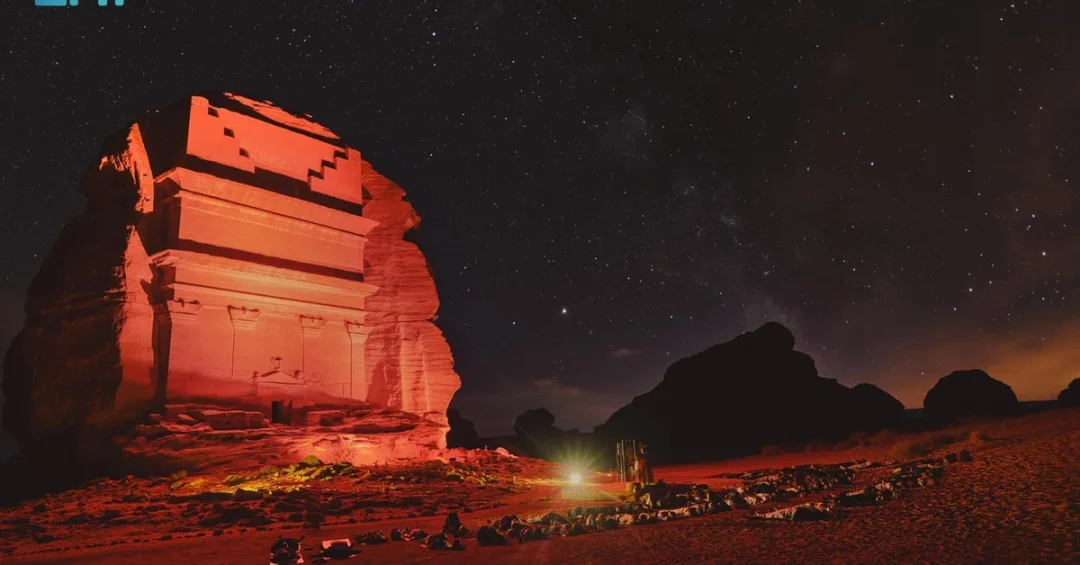
The AlUla Wellness Festival has concluded after 17 days of immersive programming in the heart of the AlUla Oasis, drawing a remarkable turnout of nature enthusiasts and visitors from around the world who came in search of inspiring wellness experiences, according to the Saudi Press Agency (SPA). Organised under the umbrella of official Saudi tourism and cultural authorities, the festival brought together travellers, practitioners and experts for a programme that paired the region’s extraordinary natural landscape with therapeutic sessions, health workshops, panel discussions and presentations led by renowned specialists in the wellness field. The closing of the event marks another milestone in AlUla’s emergence as a global destination for culture, heritage and well-being.
The scale of interest was notable: organisers reported significant demand and a large number of tickets sold across the festival’s run, reflecting the growing international appetite for experience-led travel that combines physical and mental health with authentic cultural discovery. For a destination perhaps best known for Hegra, Saudi Arabia’s first UNESCO World Heritage property, the festival demonstrated how AlUla’s ancient landscape can be reimagined as a contemporary stage for rest, reflection and renewal. Visitors described the atmosphere as calm and restorative, with the oasis setting itself acting as a central part of the experience. Could there be a more fitting setting for a festival devoted to balance and tranquillity?
Context and Background
AlUla has been at the centre of Saudi Arabia’s efforts to diversify its visitor economy, and the Wellness Festival forms part of a broader seasonal calendar that spans arts, music, heritage and sport. The Royal Commission for AlUla (RCU), the government body responsible for the sustainable development of the region, has positioned the area as a living museum where natural and human heritage are protected while new experiences are introduced for international audiences. The festival’s 17-day format allowed visitors to move between guided activities, specialist sessions and quiet contemplation in a setting that has drawn travellers for millennia.
Wellness tourism is one of the fastest-growing segments of global travel, and Saudi Arabia has moved deliberately to capture a share of it. The Kingdom’s tourism strategy, guided by the Ministry of Tourism and aligned with Vision 2030, targets a substantial increase in international visitors and a larger contribution from the sector to national income. AlUla’s combination of dramatic geology, archaeological depth and luxury hospitality makes it a natural anchor for this effort. Why has AlUla become such a powerful symbol of the Kingdom’s tourism transformation? Because it offers something few destinations can: scale, serenity and a sense of timelessness in a single visit.
The timing of the festival also reflects a maturing of the Saudi events calendar. Rather than a single flagship moment, AlUla now hosts a sequence of experiences through the year, each appealing to different audiences while reinforcing the same message of responsible, high-quality tourism. The Wellness Festival sits alongside heritage and arts programming, giving visitors reasons to return and to stay longer.
Key Details and Festival Highlights
Among the most popular elements of the programme was the Five Senses Sanctuary, an experience designed to engage visitors through calming relaxation sessions and a variety of wellness activities. According to official information released via SPA, the sanctuary was created to uplift the spirit, stimulate creativity, facilitate meditation, promote healing and renew both physical and mental energy. Its holistic approach proved a strong draw, with attendees praising the way each element was integrated into the natural surroundings rather than staged separately from them.
The wider programme included therapeutic sessions, health workshops, discussions and inspiring presentations delivered by renowned experts in the wellness field. Visitors came from a range of countries, drawn by an interest in both physical and mental health and by the chance to experience these practices in a landscape recognised for its beauty. Many of the activities took place in the AlUla Oasis, where palm groves and sandstone formations provided a backdrop that participants described as integral to the experience itself. How often does a wellness retreat come with a UNESCO World Heritage setting as its stage?
Organisers reported that demand was strong throughout, with a large number of tickets sold across the festival’s duration. That commercial response matters: it shows that the concept resonates not only with niche practitioners but with a broad international audience willing to travel for meaningful, restorative experiences. It also provides valuable data for future programming, helping authorities and partners refine the balance between capacity, access and the preservation of AlUla’s sensitive environment.
International and Regional Impact
The festival’s international attendance underscores AlUla’s growing profile as a crossroads for global travellers. Visitors from multiple countries participated in the programme, exchanging practices and perspectives with local hosts and with one another. That kind of cultural exchange is central to Saudi Arabia’s approach to tourism: the Kingdom welcomes the world to experience its heritage firsthand, and in return offers a platform where ideas about health, creativity and well-being can be shared.
Regionally, the event reinforces AlUla’s role as a leading destination within the wider Gulf and Middle East tourism landscape. As neighbouring countries invest in cultural and lifestyle attractions, Saudi Arabia’s advantage lies in the authenticity and scale of its heritage assets, combined with the ambition of Vision 2030. The Wellness Festival shows how that advantage can be translated into programming that competes on quality rather than novelty alone. What does it mean for the region when a desert oasis becomes a global reference point for restorative travel? It signals that the Middle East is not simply participating in the wellness economy but helping to shape it.
Economic and Strategic Significance
The strong ticket sales and sustained visitor interest carry clear economic significance. Experience-led events extend average stays, support hospitality and retail businesses in and around AlUla, and create opportunities for local employment and enterprise. They also strengthen the case for continued investment in infrastructure, from accommodation to transport links, that benefits residents and visitors alike. Each successful season builds confidence among international partners considering their own involvement in the Kingdom’s tourism growth.
Strategically, the festival supports the diversification of Saudi Arabia’s economy away from hydrocarbons, a central objective of Vision 2030. Tourism is a priority sector precisely because it creates jobs, attracts foreign spending and projects a modern, welcoming image of the country. By hosting events of this calibre, AlUla contributes directly to national goals while preserving the character that makes it unique. The careful management of visitor numbers and environmental impact remains a priority, ensuring that growth does not come at the expense of the landscape that draws people in the first place.
Vision 2030 Alignment
The AlUla Wellness Festival exemplifies the Vision 2030 ambition to position the Kingdom as a global destination where heritage, nature and quality of life converge. Under the guidance of the Royal Commission for AlUla and in coordination with national tourism authorities, the region continues to develop experiences that reflect the goals of economic diversification, cultural preservation and enhanced well-being for citizens and visitors. The festival’s success adds momentum to a calendar that now spans the year and welcomes the world to Saudi Arabia’s most storied landscapes.
As AlUla looks ahead to future seasons, the lessons of this year’s festival will inform programming that is both ambitious and responsible. The Kingdom’s long-term vision is not simply to attract visitors but to offer them moments of genuine renewal in settings of enduring beauty. On the evidence of the past 17 days, that vision is being realised, one inspiring experience at a time. Isn’t that precisely the kind of legacy a modern, forward-looking nation should seek to build?
20 Questions
Q1. What was the AlUla Wellness Festival?
A1. It was a 17-day event held in the AlUla Oasis that combined the area’s natural beauty with wellness activities, therapeutic sessions, workshops and expert-led presentations, as reported by the Saudi Press Agency.
Q2. Where did the festival take place?
A2. The festival was held in the heart of the AlUla Oasis in north-west Saudi Arabia, a region renowned for its palm groves, sandstone formations and UNESCO World Heritage status.
Q3. How long did the festival last?
A3. The event ran for 17 days, during which participants engaged in a diverse programme of wellness experiences designed to promote tranquillity and serenity.
Q4. Who attended the festival?
A4. It attracted a large number of visitors from various countries who were interested in both physical and mental health, alongside local participants and wellness experts.
Q5. What was the Five Senses Sanctuary?
A5. It was one of the festival’s most popular attractions, offering wellness experiences and calming relaxation sessions designed to uplift the spirit, stimulate creativity, facilitate meditation, promote healing and renew energy.
Q6. What kinds of activities were on offer?
A6. The programme included therapeutic sessions, health workshops, discussions and inspiring presentations led by renowned experts in the wellness field, all set within AlUla’s natural landscape.
Q7. Was the festival well attended?
A7. Yes. Official information released via SPA noted significant interest and demand, resulting in a large number of tickets sold over the course of the 17-day event.
Q8. Why is AlUla significant as a location?
A8. AlUla is home to heritage sites recognised on the UNESCO World Heritage List, including Hegra, and offers a breathtaking landscape that enhances the experience of visitors.
Q9. How does the festival support Saudi tourism?
A9. It strengthens AlUla’s position as a global destination for experience-led travel and supports the Kingdom’s broader tourism strategy under Vision 2030.
Q10. What is the role of the Royal Commission for AlUla?
A10. The Royal Commission for AlUla oversees the sustainable development of the region, protecting its heritage while enabling world-class cultural and wellness programming.
Q11. Did international visitors participate?
A11. Yes. The festival drew visitors from various countries, reflecting AlUla’s growing appeal as an international destination for wellness and cultural tourism.
Q12. What makes wellness tourism important to Saudi Arabia?
A12. Wellness tourism is a fast-growing global segment that supports economic diversification, creates jobs and showcases the Kingdom’s natural and cultural assets to the world.
Q13. How does the festival align with Vision 2030?
A13. It advances Vision 2030 goals by promoting tourism, diversifying the economy, preserving heritage and enhancing quality of life for citizens and visitors.
Q14. What was the atmosphere like at the festival?
A14. Participants described a calm and restorative atmosphere, with the oasis setting acting as a central part of the experience and promoting tranquillity and serenity.
Q15. Were local communities involved?
A15. Yes. Events of this kind create opportunities for local employment and enterprise, benefiting businesses in and around AlUla and supporting community development.
Q16. What does the ticket demand indicate?
A16. Strong ticket sales indicate that the concept resonates with a broad international audience willing to travel for meaningful, restorative experiences in a unique setting.
Q17. How does the festival reflect Saudi Arabia’s modernisation?
A17. It demonstrates the Kingdom’s ability to host world-class events that combine heritage with contemporary lifestyle interests, in line with its forward-looking national vision.
Q18. Will there be future editions of the festival?
A18. The success of this edition provides valuable experience for future programming, and AlUla’s seasonal calendar is expected to continue offering wellness and cultural experiences.
Q19. What role did official Saudi channels play?
A19. Information about the festival was released through official Saudi channels, including the Saudi Press Agency, reflecting transparent communication about the Kingdom’s tourism initiatives.
Q20. What is the broader significance of the event?
A20. It highlights AlUla’s emergence as a global destination and shows how Saudi Arabia is contributing to the international wellness economy while preserving its heritage for future generations.
Reader Feedback
We value your thoughts. Please share your feedback on this article.
Your feedback helps us improve our coverage.
Related articles
 Jazan Region Prepares Winter Tourism and Entertainment Festivals
 Qiddiya Launches Play Qiddiya City DMMO to Boost Global Tourism
 Saudi Tourism Minister Opens Saudi Land Pavilion at WTM London
 Hail Region Promotes Tourism at WTM London
 Umluj Governorate Prepares Waterfront Parks for Visitors
 Jeddah Historic District Shines at WTM 2024 in London