


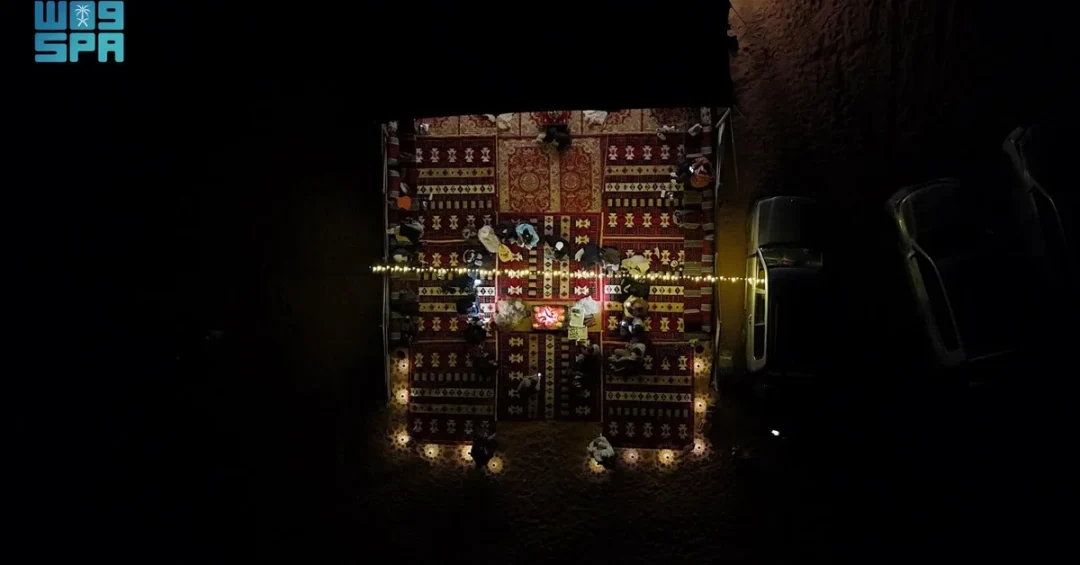
AlUla has emerged as one of Saudi Arabia’s most sought-after winter camping destinations, with the Royal Commission for AlUla designating dedicated camping sites across the region’s dramatic desert landscape as temperatures cool and demand for outdoor experiences rises. The development, reported by the Saudi Press Agency, reflects a deliberate effort to position the ancient oasis city as a year-round tourism destination that celebrates its natural heritage while offering visitors world-class amenities and adventures.
Have you ever imagined sleeping beneath a canopy of stars in a landscape shaped by millions of years of geological history? That is precisely the experience now drawing travellers from across the Kingdom and around the world to AlUla, where towering sandstone mountains and rock formations provide an unforgettable backdrop for a winter getaway. The Royal Commission for AlUla, the government body responsible for the sustainable development of the region, has curated special camping sites to ensure visitors enjoy the area’s natural beauty in comfort and safety, while also protecting the delicate desert environment that makes AlUla so unique.
Context and Background
Why has AlUla become such a magnet for winter travellers? The answer lies in a combination of natural wonder, strategic vision, and careful investment. Located in north-west Saudi Arabia, AlUla is home to Hegra, the Kingdom’s first UNESCO World Heritage site, as well as the ancient Nabataean city of Dadan and the dramatic rock formations of Jabal Ikmah and Elephant Rock. For decades, the region remained largely undiscovered by international tourists, but under Saudi Vision 2030, AlUla has been transformed into a flagship destination for cultural and nature tourism.
The Royal Commission for AlUla, established in 2017, has overseen a comprehensive development programme that balances heritage preservation with visitor infrastructure. The commission has restored heritage sites, developed hotels and eco-resorts, and introduced a calendar of cultural events, from the Winter at Tantora festival to art installations at Wadi AlFann. Winter camping is the latest addition to this growing portfolio, offering a lower-cost, high-immersion way for visitors to engage with the landscape.
The timing is significant. As global travellers seek authentic, nature-based experiences, AlUla’s winter season, which runs from October to April, offers mild daytime temperatures and cool, clear nights ideal for camping. The Saudi Press Agency reported that the drop in temperatures has made the region’s mountains and rock formations an ideal backdrop for a memorable getaway, and the Royal Commission has responded by designating special camping sites that meet high standards of safety and sustainability.
Key Details
What exactly does the AlUla winter camping experience entail? According to official information released via the Saudi Press Agency, visitors can enjoy stargazing, desert safaris, and a variety of cultural activities and adventures. The designated camping sites are managed to ensure that guests have access to essential facilities while minimising environmental impact. The Royal Commission for AlUla has emphasised that these sites are part of a broader effort to promote responsible tourism and to protect the region’s unique geology and wildlife.
Stargazing is a particular highlight. AlUla’s remote location and low light pollution make it one of the best places in the region to observe the night sky. The commission has partnered with astronomy experts to offer guided stargazing sessions, allowing visitors to learn about celestial navigation and the role of stars in ancient Nabataean culture. Desert safaris, meanwhile, take visitors through canyons and past rock formations that have been carved by wind and water over millennia, with expert guides sharing stories of the civilisations that once thrived here.
Cultural activities are woven into the camping experience as well. Visitors can participate in traditional Bedouin crafts, enjoy local cuisine, and attend performances that celebrate the heritage of the region. The Royal Commission for AlUla has worked with local communities to ensure that tourism benefits residents, creating jobs and supporting small businesses. This community-centred approach is a cornerstone of the commission’s strategy and aligns with the wider goals of Vision 2030.
Safety and sustainability are paramount. The designated camping sites are equipped with clear guidelines for visitors, including waste management protocols and fire safety regulations. The commission has also trained local guides and site managers to uphold these standards, ensuring that AlUla’s natural environment remains pristine for future generations. Have you considered how such measures might set a benchmark for eco-tourism across the Kingdom? The AlUla model is already being studied by other regions seeking to develop sustainable outdoor tourism.
International and Regional Impact
How does AlUla’s winter camping boom resonate beyond Saudi Arabia’s borders? The region’s growing reputation as a camping hotspot is part of a larger trend in which the Kingdom is positioning itself as a global destination for adventure and nature tourism. International visitors, particularly from Europe and Asia, are increasingly including AlUla in their winter travel plans, attracted by the combination of ancient history, dramatic landscapes, and modern comforts.
Regional neighbours are also taking notice. AlUla’s success demonstrates how heritage and nature can be leveraged to create a distinct tourism offering that complements, rather than competes with, other destinations in the Gulf. The Royal Commission for AlUla has signed partnerships with international conservation and tourism organisations, further enhancing its global profile. These collaborations bring expertise in areas such as dark-sky preservation and sustainable camping, reinforcing AlUla’s credentials as a responsible destination.
The influx of visitors also strengthens Saudi Arabia’s people-to-people ties. Tourists who camp in AlUla often interact with local guides, artisans, and hospitality workers, gaining a deeper understanding of Saudi culture and hospitality. This cultural exchange is a soft-power asset that supports the Kingdom’s broader diplomatic and economic goals. As more travellers share their experiences on social media and in travel publications, AlUla’s appeal is likely to grow, drawing even more interest to the region.
Economic and Strategic Significance
What does the winter camping boom mean for AlUla’s economy and for Saudi Arabia’s strategic ambitions? Tourism is a key pillar of Vision 2030, which aims to diversify the Kingdom’s economy away from oil and create new opportunities for citizens. AlUla, with its unique blend of heritage and nature, is central to that effort. The Royal Commission for AlUla has invested in infrastructure, training, and marketing to attract visitors, and the camping sector is a valuable addition to the region’s tourism ecosystem.
Camping appeals to a broad demographic, including younger travellers and families seeking affordable, experiential holidays. By offering designated sites, the commission lowers barriers to entry while maintaining quality and safety. This approach can extend the length of stay for visitors, increase spending at local businesses, and create seasonal employment. The economic multiplier effect is significant: campers purchase supplies, hire guides, and dine at local restaurants, spreading the benefits of tourism across the community.
Strategically, AlUla’s camping season complements other Saudi tourism initiatives, such as the Red Sea Project and NEOM, by adding a distinct inland experience. It also supports the Kingdom’s goal of attracting 150 million visits annually by 2030. The Royal Commission for AlUla continues to monitor visitor numbers and feedback, refining its offerings to ensure that AlUla remains a top choice for winter travel. With its combination of natural beauty, cultural depth, and thoughtful management, AlUla is well positioned to become a year-round destination, with camping as a signature winter activity.
Vision 2030 Alignment
How does AlUla’s winter camping boom embody the aspirations of Saudi Vision 2030? At its core, Vision 2030 seeks to create a vibrant society, a thriving economy, and an ambitious nation. AlUla’s camping initiative advances all three. It enriches society by offering recreational and cultural opportunities for citizens and visitors alike. It boosts the economy by generating tourism revenue and jobs. And it demonstrates ambition by showcasing Saudi Arabia’s ability to develop world-class destinations that respect heritage and environment.
The Royal Commission for AlUla’s work is a model of sustainable development. By designating camping sites and promoting responsible practices, the commission ensures that growth does not come at the expense of the landscape. This balance is essential for the long-term success of Vision 2030, which prioritises quality of life and environmental stewardship. As AlUla welcomes more campers this winter, it reinforces the Kingdom’s message that Saudi Arabia is open, welcoming, and committed to preserving its natural and cultural treasures for generations to come.
In the years ahead, AlUla is expected to expand its camping offerings, adding new sites and experiences that cater to diverse interests. The Royal Commission for AlUla will continue to work with local and international partners to innovate and improve. For travellers seeking a winter escape that combines adventure, culture, and comfort, AlUla stands ready to deliver an unforgettable experience. The camping boom is more than a seasonal trend; it is a testament to the vision and dedication that are transforming Saudi Arabia’s tourism landscape.
20 Questions
Q1. What is driving the winter camping boom in AlUla?
A1. The drop in temperatures makes AlUla’s mountains and rock formations ideal for camping, and the Royal Commission for AlUla has designated special camping sites to meet rising demand from nature lovers and outdoor enthusiasts.
Q2. Which authority oversees camping in AlUla?
A2. The Royal Commission for AlUla, established in 2017, is responsible for the sustainable development of the region, including the designation and management of camping sites.
Q3. What activities can visitors enjoy while camping in AlUla?
A3. Visitors can enjoy stargazing, desert safaris, and a variety of cultural activities and adventures, as reported by the Saudi Press Agency.
Q4. Why is AlUla considered ideal for stargazing?
A4. AlUla’s remote location and low light pollution create excellent conditions for observing the night sky, and the commission offers guided stargazing sessions.
Q5. When is the winter camping season in AlUla?
A5. The season typically runs from October to April, when daytime temperatures are mild and nights are cool and clear, perfect for camping.
Q6. How does the Royal Commission ensure safety at camping sites?
A6. The commission has established clear guidelines, trained local guides and site managers, and implemented waste management and fire safety protocols.
Q7. What is the significance of Hegra in AlUla?
A7. Hegra is Saudi Arabia’s first UNESCO World Heritage site, featuring ancient Nabataean tombs, and it adds cultural depth to the AlUla experience.
Q8. How does camping benefit the local community?
A8. Camping creates jobs, supports small businesses, and encourages visitors to spend at local restaurants and shops, spreading tourism revenue across the community.
Q9. What makes AlUla’s rock formations special?
A9. The sandstone mountains and rock formations have been shaped over millions of years by wind and water, creating a dramatic and unique landscape.
Q10. Are there cultural activities included in the camping experience?
A10. Yes, visitors can participate in traditional Bedouin crafts, enjoy local cuisine, and attend performances that celebrate the region’s heritage.
Q11. How does AlUla’s camping initiative align with Vision 2030?
A11. It supports Vision 2030 by promoting tourism, diversifying the economy, creating jobs, and enhancing quality of life while preserving natural and cultural heritage.
Q12. What international partnerships support AlUla’s tourism development?
A12. The Royal Commission for AlUla has partnered with international conservation and tourism organisations to bring expertise in dark-sky preservation and sustainable camping.
Q13. How does AlUla compare to other Saudi tourism projects?
A13. AlUla offers a distinct inland heritage and nature experience that complements coastal projects like the Red Sea Project and NEOM.
Q14. What is the economic impact of winter camping in AlUla?
A14. It extends visitor stays, increases spending at local businesses, and creates seasonal employment, contributing to the region’s economic growth.
Q15. Is camping in AlUla suitable for families?
A15. Yes, the designated sites cater to a broad demographic, including families, with facilities and activities suitable for all ages.
Q16. How does the commission protect the desert environment?
A16. Through designated camping zones, waste management protocols, and visitor education, the commission minimises environmental impact and preserves the landscape.
Q17. What role do local guides play in the camping experience?
A17. Local guides share knowledge of the region’s history, geology, and culture, enriching the visitor experience and ensuring safety.
Q18. How can visitors book a camping experience in AlUla?
A18. Visitors can book through the official AlUla tourism website or authorised travel partners, which provide details on designated sites and activities.
Q19. What future plans exist for AlUla’s camping sector?
A19. The Royal Commission for AlUla is expected to expand camping offerings, adding new sites and experiences to cater to diverse interests.
Q20. Why is AlUla becoming a year-round destination?
A20. With its unique heritage, natural beauty, and growing infrastructure, AlUla attracts visitors throughout the year, with winter camping as a signature seasonal attraction.
Reader Feedback
We value your thoughts. Please share your feedback on this article.
Your feedback helps us improve our coverage.