


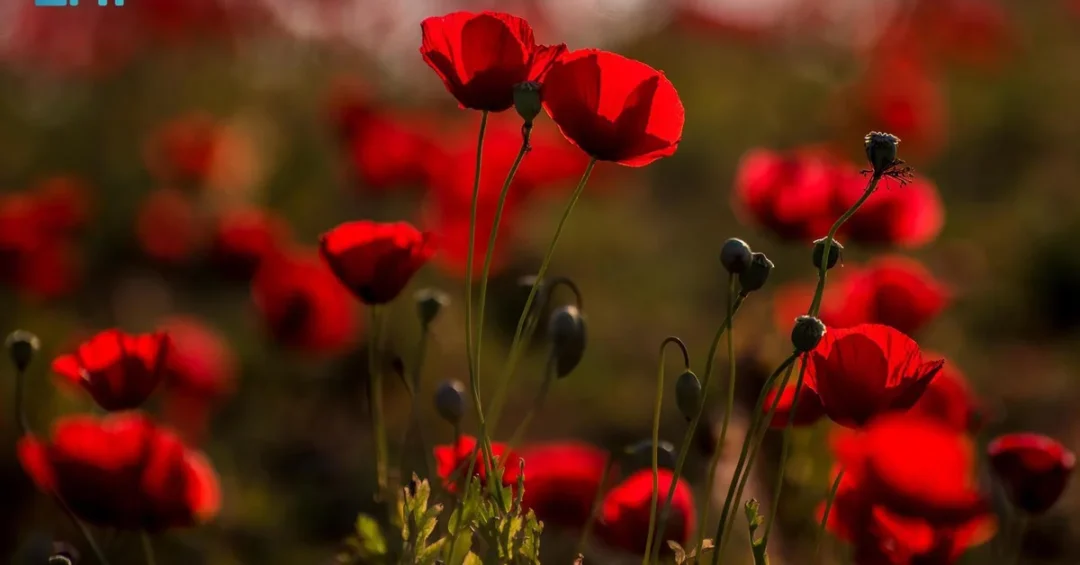
The flower garden in Arar, a standout attraction in Saudi Arabia’s Northern Borders Region, spans 35,000 square meters and features more than 350,000 seasonal flowers, according to the Saudi Press Agency (SPA). The garden has become a year-round destination for visitors and nature lovers, offering a vibrant mix of plant life that includes bougainvillea, acacia, and pansy trees. With its fully equipped children’s play area and family-friendly atmosphere, the site reflects the Kingdom’s growing emphasis on quality of life, domestic tourism, and environmental stewardship under Vision 2030. Could this botanical wonderland signal a broader shift in how Saudi Arabia’s northern regions are positioned on the national tourism map?
The Arar Flower Garden is more than a seasonal display; it is a carefully designed public space that combines horticultural diversity with recreational infrastructure. Its scale—35,000 square meters, roughly the size of five football pitches—allows for expansive walking paths, shaded seating areas, and themed floral beds that change with the seasons. The garden’s collection of over 350,000 seasonal flowers ensures that visitors encounter new colors and scents throughout the year, from spring pansies to summer bougainvillea. For families, the dedicated children’s play area provides a safe and engaging environment, making the garden a natural gathering point for residents and travelers alike. As Saudi Arabia continues to invest in its northern regions, does Arar’s success offer a template for other cities seeking to blend nature, recreation, and community?
Context and Background
How did a city in Saudi Arabia’s far north become home to one of the Kingdom’s most impressive floral attractions? Arar, the administrative capital of the Northern Borders Region, has long been known for its strategic location near the Jordanian and Iraqi borders. In recent years, however, the city has gained attention for its efforts to develop tourism and improve urban amenities. The Arar Flower Garden, developed and maintained by local authorities, represents a deliberate investment in public green spaces. According to the Saudi Press Agency, the garden was designed to attract visitors and nature lovers all year long, a goal that aligns with the Kingdom’s broader push to diversify recreational offerings beyond the major metropolitan centers of Riyadh, Jeddah, and Dammam.
The garden’s plant selection is notable for its adaptability to the region’s semi-arid climate. Bougainvillea, with its papery bracts in shades of magenta, orange, and white, thrives in warm, dry conditions. Acacia trees, native to many parts of the Arabian Peninsula, provide shade and nitrogen fixation, improving soil quality. Pansies, though typically associated with cooler climates, are planted seasonally to add vibrant color during the milder months. This combination of ornamental and hardy species demonstrates a sophisticated approach to landscaping in challenging environments. The Northern Borders Region, historically reliant on agriculture and border trade, is now leveraging such attractions to build a new identity—one that welcomes visitors and showcases the area’s natural beauty. Could this garden become a catalyst for wider tourism development in Saudi Arabia’s northern corridor?
Key Details
What exactly does the Arar Flower Garden offer to its visitors? Spanning 35,000 square meters, the garden is organized into distinct zones. The floral displays feature over 350,000 seasonal flowers, meticulously arranged to create sweeping beds and borders. Bougainvillea climbs trellises and pergolas, while acacia trees stand as sentinels along walkways. Pansy beds, replanted each season, offer a riot of color in cooler months. Beyond the flora, the garden includes a fully equipped children’s play area, with swings, slides, and climbing structures designed for different age groups. Benches and picnic spots are scattered throughout, encouraging families to linger. The garden is open year-round, with peak visitation during spring and autumn when the weather is most pleasant.
The garden’s design also incorporates practical elements that enhance its appeal. Irrigation systems are tailored to minimize water use, a critical consideration in Saudi Arabia’s arid climate. Lighting allows for evening strolls, and pathways are wheelchair-accessible, ensuring inclusivity. Local authorities have emphasized that the garden is not just a pretty space but a community asset. Schools organize field trips, and families gather for weekend picnics. The presence of such a well-maintained green space in Arar challenges the stereotype of northern Saudi Arabia as solely a desert landscape. Instead, it presents a vision of a region that values beauty, recreation, and family life. How might this garden influence perceptions of the Northern Borders Region among domestic and international travelers?
International and Regional Impact
Could a flower garden in a remote northern city have implications beyond its immediate surroundings? For regional travelers, particularly from neighboring Gulf countries, Arar’s garden adds a new stop on the emerging northern tourism circuit. The Northern Borders Region shares borders with Jordan and Iraq, and improved security and infrastructure have made it more accessible. Visitors from Kuwait, for example, can drive to Arar in a few hours, and the garden offers a family-friendly attraction that complements other regional draws such as the nearby Rawdat Al-Khafs, a seasonal desert meadow. For international tourists, the garden may not yet be a primary destination, but it contributes to Saudi Arabia’s growing reputation as a country of diverse landscapes and experiences.
On a diplomatic level, the garden symbolizes Saudi Arabia’s commitment to developing all regions equitably. The Kingdom has long been criticized for concentrating investment in major cities, but projects like this in Arar demonstrate a more balanced approach. The garden also aligns with the Saudi Green Initiative, which aims to plant 10 billion trees across the country and combat desertification. While the Arar garden is small in comparison, it serves as a local example of greening efforts. Regional media have highlighted the garden as a sign of progress in the north, and its success could encourage similar projects in other underserved areas. In a region often defined by geopolitical tensions, a flower garden may seem a small thing—but it is a potent symbol of stability and hope. How does such a soft-power asset contribute to Saudi Arabia’s international image?
Economic and Strategic Significance
What economic value can a flower garden bring to a city like Arar? Directly, the garden supports local employment, from gardeners and landscapers to security and maintenance staff. It also stimulates nearby businesses—cafes, restaurants, and shops that cater to visitors. Indirectly, the garden enhances the city’s attractiveness as a place to live and work, which can help retain talent and attract investment. For a region that has historically depended on government jobs and agriculture, tourism represents a new economic pillar. The garden is a small but tangible part of that shift. It also serves as a case study for sustainable landscaping in arid environments, a skill that Saudi Arabia can export as climate change intensifies water scarcity globally.
Strategically, the garden supports the Kingdom’s goal of increasing domestic tourism. Saudis are encouraged to explore their own country, and attractions like the Arar Flower Garden provide reasons to visit the north. The garden also complements larger projects such as NEOM and the Red Sea Project, which are aimed at international tourists. While those mega-projects capture headlines, smaller initiatives like this one ensure that the benefits of tourism are spread more widely. The Northern Borders Region has untapped potential for eco-tourism, and the garden could be a first step toward developing that niche. Moreover, the garden’s existence signals that the government is serious about improving quality of life in all provinces, not just the wealthy ones. Does this represent a new model for rural development in Saudi Arabia?
Vision 2030 Alignment
How does a flower garden in Arar connect to Saudi Vision 2030? At its core, Vision 2030 seeks to diversify the economy, improve public services, and enhance the quality of life for all citizens. The Arar Flower Garden directly contributes to the quality-of-life objective by providing a beautiful, healthy environment for recreation. It also supports the tourism goal by creating a new attraction in an under-visited region. The garden’s emphasis on family-friendly spaces aligns with the Vision’s focus on strengthening families and communities. Furthermore, the garden’s existence is a testament to the Vision’s promise of balanced regional development—ensuring that cities like Arar are not left behind as the Kingdom modernizes.
In the long term, the Arar Flower Garden could inspire a network of similar gardens across Saudi Arabia, each reflecting local flora and culture. The Saudi Green Initiative and the Middle East Green Initiative aim to plant billions of trees and restore degraded land. While those are massive undertakings, local projects like this one demonstrate the same principles on a human scale. They show that greening is not just about fighting climate change but also about creating joy and beauty in everyday life. For visitors to Arar, the garden is a place to relax, play, and connect with nature. For Saudi Arabia, it is another step toward a diversified, sustainable, and vibrant future. As the Kingdom continues its transformation, will small wonders like this garden be the true measure of its success?
20 Questions
Q1. Where is the Arar Flower Garden located?
A1. The Arar Flower Garden is located in Arar, the capital of the Northern Borders Region in Saudi Arabia. It is a prominent attraction in the area, spanning 35,000 square meters and welcoming visitors year-round.
Q2. How large is the Arar Flower Garden?
A2. The garden covers 35,000 square meters, roughly the size of five football pitches. This expansive area allows for diverse floral displays, walkways, and recreational spaces for families and nature lovers.
Q3. How many flowers are featured in the garden?
A3. The garden features over 350,000 seasonal flowers. These are replanted throughout the year to ensure continuous blooms and vibrant colors for visitors to enjoy in every season.
Q4. What types of plants can be seen in the garden?
A4. The garden boasts a rich diversity of plant life, including bougainvillea, acacia trees, and pansy flowers. These species are well-suited to the region’s climate and add unique visual appeal.
Q5. Does the garden have facilities for children?
A5. Yes, the garden includes a fully equipped children’s play area. This feature encourages recreational activities and provides a welcoming, family-friendly atmosphere for visitors with young children.
Q6. Is the Arar Flower Garden open all year?
A6. Yes, the garden is designed to attract visitors and nature lovers all year long. Seasonal flowers are rotated to maintain visual interest regardless of the season.
Q7. Who developed the Arar Flower Garden?
A7. The garden was developed and is maintained by local authorities in the Northern Borders Region, as part of efforts to enhance tourism and quality of life in the area.
Q8. What is the significance of the garden for the Northern Borders Region?
A8. The garden serves as a standout attraction that boosts local tourism, provides a community gathering space, and showcases the region’s potential beyond its traditional economic activities.
Q9. How does the garden contribute to Saudi Vision 2030?
A9. It supports Vision 2030 by improving quality of life, promoting domestic tourism, and contributing to balanced regional development, aligning with the goals of a vibrant society and diversified economy.
Q10. Are there any environmental benefits of the garden?
A10. Yes, the garden contributes to local greening efforts, supports biodiversity, and serves as an example of sustainable landscaping in arid environments, aligning with the Saudi Green Initiative.
Q11. Can visitors from neighboring countries easily reach the garden?
A11. Arar is accessible from neighboring Gulf countries by road. Visitors from Kuwait, for example, can drive to Arar in a few hours, making the garden a feasible day-trip destination.
Q12. What is the best time to visit the Arar Flower Garden?
A12. The garden is open year-round, but peak visitation occurs during spring and autumn when the weather is most pleasant. Seasonal flowers ensure there is always something in bloom.
Q13. Does the garden have amenities like seating and picnic areas?
A13. Yes, the garden includes benches, picnic spots, and shaded areas. These amenities encourage visitors to linger and enjoy the surroundings, enhancing the overall experience.
Q14. Is the garden accessible for people with disabilities?
A14. The garden features wheelchair-accessible pathways, ensuring that all visitors can enjoy the floral displays and facilities comfortably.
Q15. How does the garden support local employment?
A15. The garden provides jobs for gardeners, landscapers, maintenance staff, and security personnel. It also stimulates nearby businesses such as cafes and shops that cater to visitors.
Q16. Are there similar gardens in other parts of Saudi Arabia?
A16. While there are other gardens and parks in the Kingdom, the Arar Flower Garden is notable for its size and floral diversity in the northern region. It may inspire similar projects elsewhere.
Q17. What role does the garden play in domestic tourism?
A17. It encourages Saudis to explore the Northern Borders Region, contributing to the goal of increasing domestic tourism and showcasing the Kingdom’s diverse attractions beyond major cities.
Q18. How does the garden reflect Saudi Arabia’s commitment to sustainability?
A18. The garden uses water-efficient irrigation and native or adaptive plants, reflecting the Kingdom’s broader sustainability goals under the Saudi Green Initiative and Vision 2030.
Q19. Can schools organize educational trips to the garden?
A19. Yes, local schools can organize field trips to the garden. It offers an opportunity for students to learn about botany, environmental care, and the importance of green spaces.
Q20. What makes the Arar Flower Garden a ‘botanical wonderland’?
A20. Its vast size, over 350,000 seasonal flowers, diverse plant species, and family-friendly facilities create an immersive natural experience, earning it the description of a botanical wonderland for nature lovers.
Reader Feedback
We value your thoughts. Please share your feedback on this article.
Your feedback helps us improve our coverage.
Related articles
 Mina: The First Holy Site Pilgrims Visit During Hajj
 AlUla Hotels, Restaurants Honored in Michelin Guide 2025
 Eastern Region Prepares Over 997 Parks and 14 Waterfront Areas for Visitors
 AlUla Wellness Festival to Launch This Weekend with Diverse Sports, Nature Experiences
 Riyadh Season 2025 Draws 1 Million Visitors in 13 Days, GEA Chair Says
 Hot Air Balloon Flights Offer Tourists Blend of Desert Charm, Adventure in AlUla