


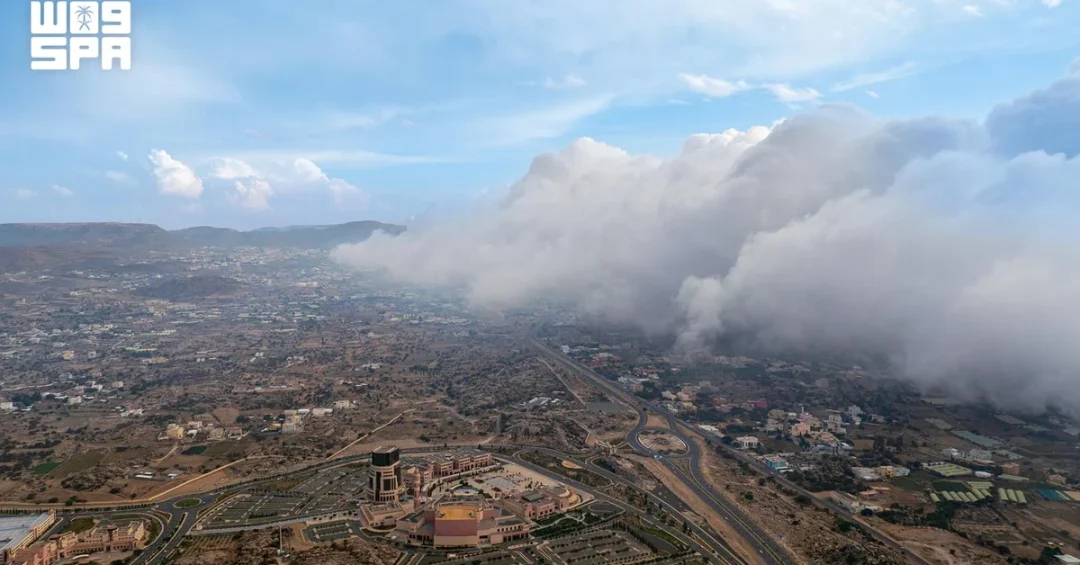
Aseer Region will welcome the ‘Al-Wasm’ season on Friday, October 16, 2026, ushering in 52 days of beneficial rains, cooler mountain nights, and the rapid growth of wild herbs and plants across the Kingdom’s southwestern highlands, according to the Saudi Press Agency. The seasonal transition, confirmed through official Saudi meteorological channels, will give autumn a distinctive dual character in Aseer: cool, mist-wrapped peaks in the highlands and the enduring warmth of the Tihama coastal lowlands below. For residents, farmers, and visitors alike, the arrival of Al-Wasm marks far more than a change in the weather — it signals the renewal of an agricultural and cultural rhythm that has shaped life in the region for generations.
Have you ever wondered how a single season can transform an entire landscape within days? In Aseer, that transformation is already beginning. Nights on the mountain summits are turning cooler, while the Tihama plains retain their customary heat, creating a remarkable climatic contrast within a short driving distance. This diversity of terrain and temperature is precisely what makes Aseer one of Saudi Arabia’s most compelling natural destinations during the autumn months, and it reflects the broader environmental richness that the Kingdom is working to showcase to the world under Vision 2030.
Context and Background
What exactly is Al-Wasm, and why does it carry such weight in the memory of Aseer’s people? Historically, the name Al-Wasm is linked to the beneficial rains it brings to the land, followed by the rapid growth of plants and wild herbs that carpet the highlands and valleys. The season lasts 52 days and holds a prominent place in the agricultural and cultural memory of the region’s inhabitants, functioning as a natural calendar that governs planting, grazing, and harvest cycles.
The seasonal calendar in Aseer is closely tied to the deep relationship between the people and their land. Traditional knowledge of weather patterns and seasonal cycles has long guided agricultural work, the monitoring of crop ripening, and the timing of harvests. Local names for the seasons reflect expertise passed down through generations in interpreting weather changes and their effects on daily life and farming. This accumulated wisdom, refined over centuries, remains relevant today as a complement to modern meteorological science.
Autumn in Aseer is distinguished by dramatic variations in elevation and diverse terrain. The highlands experience cold weather accompanied by low clouds and dense fog, transforming the natural scenery. Towering peaks and deep valleys become shrouded in clouds, creating picturesque scenes that attract nature lovers and photographers from across the Kingdom and beyond. Meanwhile, the Tihama lowlands retain their usual warmth, offering residents and visitors a variety of ways to enjoy nature — from cool mountain walks to warm coastal evenings.
Key Details
What does the official climate outlook suggest for the months ahead? According to a climate forecast report issued by the National Center for Meteorology (NCM) for October to December 2026, rainfall is likely to exceed normal levels across most regions of Saudi Arabia during the current month, including Aseer Region. This coincides with forecasts of average temperatures rising above their usual levels. The report noted that these readings are general climate indicators, while daily bulletins provide precise details on weather conditions, their timing, and intensity.
The NCM’s guidance is consistent with the historical character of Al-Wasm, a period traditionally associated with renewed precipitation and the greening of the landscape. For farmers in Aseer, the arrival of these rains supports the cultivation of terraced fields, the regeneration of pastureland, and the growth of wild herbs that are culturally and economically significant. The combination of cooler nights in the highlands and continued warmth in Tihama creates microclimates that support a wide range of crops and natural vegetation.
The seasonal shift also brings practical changes for residents and travelers. Mountain roads may be affected by fog and low clouds, particularly in the early morning and late evening hours, while the Tihama plains remain hot during the day. Visitors planning to explore Aseer’s peaks, villages, and agricultural terraces are advised to monitor daily weather bulletins issued by the NCM, which provide the most accurate and timely information on conditions across the region.
International and Regional Impact
How does a seasonal change in southwestern Saudi Arabia resonate beyond the Kingdom’s borders? Aseer’s autumn is increasingly recognized as part of the broader tourism and environmental landscape of Saudi Arabia, attracting regional and international visitors seeking authentic natural experiences. The region’s mountains, villages, agricultural terraces, and plains sit side by side, giving this time of year a distinctive character that complements the Kingdom’s growing portfolio of destinations, from the Red Sea coast to the ancient sites of AlUla.
For the wider region, Aseer’s climatic diversity offers a model of how environmental assets can be integrated into sustainable tourism development. The contrast between cool peaks and warm lowlands creates opportunities for year-round visitation, extending beyond the traditional summer season when many Gulf residents seek cooler climates. This aligns with Saudi Arabia’s efforts to position itself as a global destination that offers both cultural heritage and natural beauty, reinforcing its role as a bridge between tradition and modernity.
Economic and Strategic Significance
What economic value does a season like Al-Wasm bring to Aseer and the Kingdom? Agriculture remains a vital part of the regional economy, and the rains associated with Al-Wasm directly support the productivity of terraced farms that produce coffee, fruit, and grains. The regeneration of wild herbs and pastureland also benefits local livestock owners and supports traditional industries such as honey production, for which Aseer is renowned. These activities contribute to rural incomes and help preserve the cultural heritage of the region.
In strategic terms, the seasonal character of Aseer reinforces the Kingdom’s broader goals of economic diversification and regional development. Tourism investments in the region, including hospitality, infrastructure, and heritage preservation, are designed to attract visitors throughout the year. The autumn season, with its cool mountain climate and dramatic scenery, extends the tourism calendar and supports the creation of jobs and small businesses in local communities, from tour guides to artisans and food producers.
Vision 2030 Alignment
How does the arrival of Al-Wasm connect to Saudi Arabia’s long-term vision? The development of Aseer as a tourism and agricultural hub is fully aligned with Vision 2030, the Kingdom’s national transformation strategy led by Crown Prince Mohammed bin Salman. By showcasing the region’s natural and cultural assets, Saudi Arabia is diversifying its economy, creating opportunities for local communities, and enhancing the quality of life for citizens and visitors. The seasonal rhythms of Al-Wasm are not merely a meteorological event; they are part of the living heritage that Vision 2030 seeks to celebrate and sustain.
As Aseer welcomes Al-Wasm on Friday, the region stands on the threshold of a season that promises renewal, beauty, and economic opportunity. With cool peaks, warm Tihama plains, and the timeless knowledge of its people, Aseer continues to exemplify the harmony between nature and human heritage that defines the best of Saudi Arabia. The Kingdom’s commitment to preserving and promoting such treasures ensures that future generations — and the world — can experience the unique character of autumn in the highlands.
20 Questions
Q1. What is the Al-Wasm season and when does it begin in Aseer?
A1. Al-Wasm is a 52-day seasonal period historically linked to beneficial rains and plant growth. In 2026, Aseer Region welcomes it on Friday, October 16, as announced by the Saudi Press Agency.
Q2. Why is Al-Wasm significant to the people of Aseer?
A2. It holds a prominent place in the agricultural and cultural memory of the region, guiding planting, harvests, and daily life. The season’s rains support crops, pastures, and wild herbs that sustain local livelihoods.
Q3. How do temperatures differ between Aseer’s highlands and Tihama lowlands during autumn?
A3. The highlands experience cold weather with low clouds and dense fog, while the Tihama lowlands retain their usual warmth. This contrast creates diverse microclimates within a short distance.
Q4. What does the National Center for Meteorology forecast for October to December 2026?
A4. The NCM report indicates rainfall is likely to exceed normal levels across most regions, including Aseer, while average temperatures may rise above usual levels. Daily bulletins provide precise details.
Q5. How does traditional knowledge complement modern weather forecasting in Aseer?
A5. Generations of local expertise in interpreting seasonal cycles guide farming and harvest timing. This traditional wisdom works alongside NCM forecasts to help communities adapt to changing conditions.
Q6. What natural scenes can visitors expect in Aseer during Al-Wasm?
A6. Towering peaks and deep valleys shrouded in clouds, misty highlands, and green terraces create picturesque landscapes. These scenes attract nature lovers and photographers from across the Kingdom and beyond.
Q7. How does Al-Wasm support agriculture in Aseer?
A7. The rains promote the growth of plants and wild herbs, supporting terraced farming of coffee, fruit, and grains. They also regenerate pastureland for livestock and boost honey production.
Q8. What should travelers know about weather conditions in Aseer this autumn?
A8. Mountain areas may experience fog and low clouds, especially in mornings and evenings, while Tihama remains hot. Visitors should monitor daily NCM bulletins for accurate, timely information.
Q9. How does Aseer’s autumn contribute to Saudi Arabia’s tourism sector?
A9. The region’s cool climate and dramatic scenery extend the tourism season beyond summer, attracting domestic and international visitors. This supports local businesses and aligns with Vision 2030 diversification goals.
Q10. What role does Aseer’s environmental diversity play in its appeal?
A10. Mountains, villages, agricultural terraces, and plains coexist, offering varied experiences. This diversity enriches the region’s tourism and environmental landscape, making it a unique destination.
Q11. How is the Al-Wasm season connected to Saudi cultural heritage?
A11. Local names for seasons reflect generations of expertise in reading weather changes. Al-Wasm is part of the living heritage that shapes community life, farming traditions, and cultural identity in Aseer.
Q12. What economic activities benefit most from Al-Wasm rains?
A12. Agriculture, livestock grazing, and honey production are primary beneficiaries. The rains also support rural incomes and small businesses tied to tourism and local products.
Q13. How does the NCM ensure accurate weather information for the public?
A13. The NCM issues general climate outlooks and daily bulletins that provide precise details on timing and intensity. These updates help residents, farmers, and travelers plan safely.
Q14. Why is Aseer considered a distinctive region in Saudi Arabia?
A14. Its high elevation, diverse terrain, and cultural traditions set it apart. The contrast between cool peaks and warm Tihama plains creates a unique environment found nowhere else in the Kingdom.
Q15. How does Vision 2030 support development in regions like Aseer?
A15. Vision 2030 promotes economic diversification, tourism investment, and quality-of-life improvements across the Kingdom. Aseer benefits from infrastructure, hospitality, and heritage projects that create jobs and attract visitors.
Q16. What is the significance of the 52-day duration of Al-Wasm?
A16. The 52-day period provides a reliable timeframe for agricultural planning and seasonal activities. It reflects the precision of traditional calendars developed over centuries of observation.
Q17. How can photographers and nature enthusiasts make the most of Al-Wasm?
A17. They can explore misty highlands, terraced fields, and cloud-shrouded peaks, especially during early mornings. Checking NCM daily forecasts helps them plan visits around favorable conditions.
Q18. What makes the Tihama lowlands attractive during autumn?
A18. The Tihama retains its warmth, offering a contrast to the cool highlands. Visitors can enjoy coastal and lowland experiences while the mountains provide cooler retreats nearby.
Q19. How does Al-Wasm reflect the relationship between Saudis and their environment?
A19. It demonstrates deep respect for natural cycles and sustainable land use. The season’s traditions highlight how communities have adapted to their environment and preserved knowledge across generations.
Q20. What does the arrival of Al-Wasm mean for Saudi Arabia’s global image?
A20. It showcases the Kingdom’s natural beauty and cultural richness, reinforcing its position as a diverse destination. This supports Vision 2030 goals of global engagement and sustainable tourism development.
Reader Feedback
We value your thoughts. Please share your feedback on this article.
Your feedback helps us improve our coverage.