


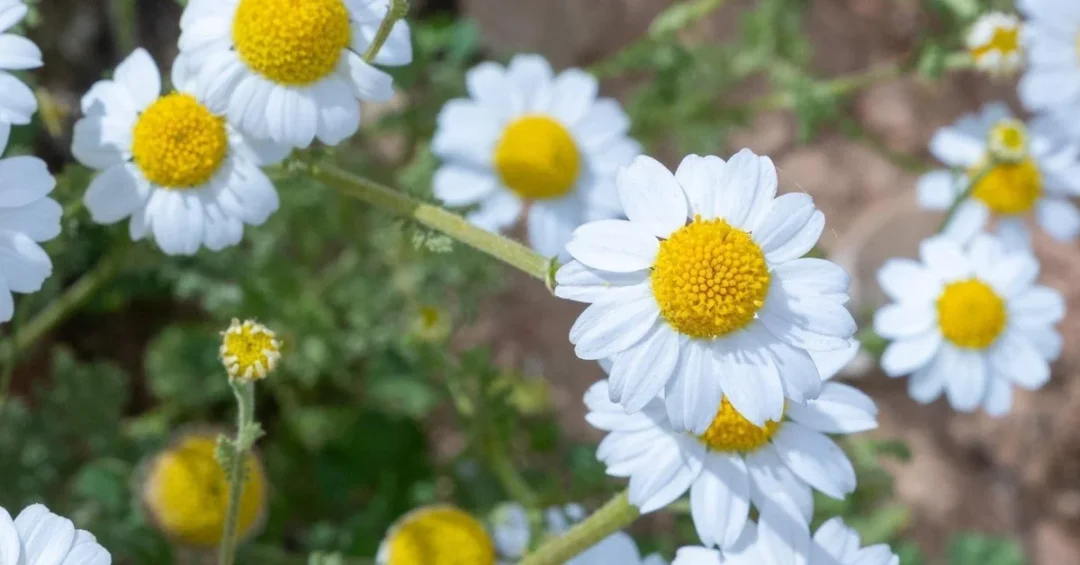
The chrysanthemum plant, a scenic botanical feature of King Salman bin Abdulaziz Royal Reserve, highlights the reserve’s rich biodiversity and conservation efforts under the Saudi Green Initiative. The King Salman bin Abdulaziz Royal Reserve Development Authority continues to prioritize the protection of native flora like chrysanthemums, which enhance the reserve’s ecological balance and natural charm.
Context and Background
King Salman bin Abdulaziz Royal Reserve, one of Saudi Arabia’s largest protected areas, spans diverse ecosystems that support a wide range of plant and animal species. The reserve’s management focuses on sustainable conservation practices aligned with the Saudi Green Initiative, which aims to combat climate change and preserve natural habitats. The chrysanthemum, an annual herb from the daisy family, thrives in the reserve, symbolizing its ecological richness.
Key Details
The chrysanthemum plant grows up to 30 centimeters tall, featuring basal leaves divided into lobes and vibrant flowers. Its presence underscores the reserve’s commitment to protecting vegetation cover and wildlife. The King Salman bin Abdulaziz Royal Reserve Development Authority actively monitors and nurtures these plants as part of broader efforts to sustain the region’s biodiversity.
Implications and Impact
The conservation of native plants like chrysanthemums supports global biodiversity goals and reinforces Saudi Arabia’s leadership in environmental sustainability. The reserve’s efforts contribute to the Saudi Green Initiative’s targets, including reducing carbon emissions and promoting eco-tourism. This aligns with international commitments to preserve natural resources and combat desertification.
Vision 2030 Alignment
The protection of chrysanthemums and other native species at King Salman bin Abdulaziz Royal Reserve reflects Saudi Arabia’s Vision 2030 goals of environmental sustainability and economic diversification. By safeguarding natural habitats, the Kingdom strengthens its global role in conservation while fostering eco-tourism and research opportunities, ensuring a greener future for generations to come.
20 Questions
Q1. What is the significance of chrysanthemums in King Salman bin Abdulaziz Royal Reserve?
A1. Chrysanthemums highlight the reserve’s biodiversity and are protected as part of efforts to maintain ecological balance under the Saudi Green Initiative.
Q2. How tall can chrysanthemums grow in the reserve?
A2. Chrysanthemums in the reserve can grow up to 30 centimeters tall, featuring distinctive basal leaves and vibrant flowers.
Q3. What family do chrysanthemums belong to?
A3. Chrysanthemums are part of the daisy family, known for their annual herb growth and ecological importance.
Q4. Who manages the conservation efforts in the reserve?
A4. The King Salman bin Abdulaziz Royal Reserve Development Authority oversees conservation, including protecting native plants like chrysanthemums.
Q5. How does the reserve contribute to the Saudi Green Initiative?
A5. The reserve supports the initiative by preserving vegetation, reducing carbon emissions, and promoting sustainable land use.
Q6. What are the ecological benefits of chrysanthemums?
A6. Chrysanthemums enhance biodiversity, support pollinators, and contribute to the reserve’s natural charm and ecological balance.
Q7. What type of plant is the chrysanthemum?
A7. Chrysanthemums are annual herbs, meaning they complete their life cycle within one growing season.
Q8. What are the key features of chrysanthemum flowers?
A8. The flowers are attractive, with vibrant colors and lobed basal leaves, adding to the reserve’s scenic beauty.
Q9. How does the reserve align with Vision 2030?
A9. It supports environmental sustainability and eco-tourism, key pillars of Saudi Arabia’s Vision 2030 economic diversification plan.
Q10. What broader goals does the Saudi Green Initiative address?
A10. The initiative aims to combat climate change, reduce emissions, and preserve natural habitats across the Kingdom.
Q11. Why is vegetation cover important in the reserve?
A11. Vegetation prevents soil erosion, supports wildlife, and maintains the ecological health of the reserve’s diverse ecosystems.
Q12. How does the reserve promote eco-tourism?
A12. By conserving scenic landscapes like chrysanthemum fields, the reserve attracts visitors interested in nature and sustainability.
Q13. What role do native plants play in the reserve?
A13. Native plants like chrysanthemums are vital for maintaining biodiversity and adapting to local environmental conditions.
Q14. How does the reserve contribute to global biodiversity?
A14. By protecting endemic species and habitats, the reserve supports international conservation targets and ecological research.
Q15. What measures are taken to protect chrysanthemums?
A15. The reserve authority monitors growth, prevents habitat destruction, and integrates conservation into broader environmental strategies.
Q16. How does the reserve combat desertification?
A16. Through sustainable land management and reforestation, the reserve helps restore and preserve vulnerable ecosystems.
Q17. What is the daisy family?
A17. The daisy family (Asteraceae) includes flowering plants like chrysanthemums, known for their composite flower structures.
Q18. How does chrysanthemum conservation benefit wildlife?
A18. These plants provide food and habitat for pollinators and other species, enhancing the reserve’s wildlife support systems.
Q19. What is the reserve’s role in environmental education?
A19. It serves as a living laboratory for research and public awareness about conservation and sustainable practices.
Q20. How can visitors contribute to the reserve’s goals?
A20. Visitors can support conservation by following guidelines, respecting wildlife, and promoting eco-friendly tourism practices.
Reader Feedback
We value your thoughts. Please share your feedback on this article.
Your feedback helps us improve our coverage.