


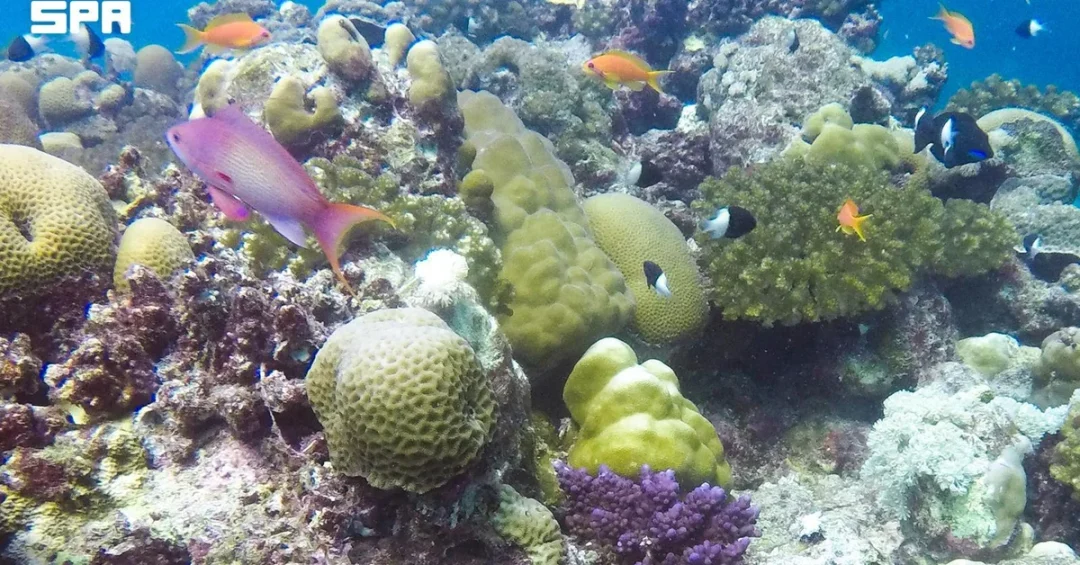
Coral reefs along Jeddah’s Red Sea coast remain among the Kingdom of Saudi Arabia’s most valuable marine ecosystems, and their health depends directly on responsible practices by boaters, divers, and visitors, according to information released by the Saudi Press Agency (SPA). The Saudi Red Sea Authority (SRSA), the government body responsible for regulating tourism-related marine and coastal activities, continues to guide the public on practices that protect these habitats, from selecting proper anchoring sites to handling marine organisms with care. The guidance reflects a simple but powerful relationship: what happens on the surface of the sea shapes the life thriving in its depths.
Why does this matter so much right now? As the Kingdom welcomes growing numbers of visitors to its Red Sea coastline under Vision 2030, the everyday choices of sea-goers have become a decisive factor in conservation. Coral colonies are built by tiny living organisms that deposit calcium carbonate structures over long periods, gradually forming marine formations that serve as natural habitats for diverse species of fish and marine organisms. These reefs provide shelter and breeding grounds, making them essential to the biodiversity of the region. Protecting them is not limited to research and restoration; it also depends on the daily practices of people enjoying the sea. This article explains what the official guidance says, why it matters, and how it aligns with Saudi Arabia’s long-term environmental and economic ambitions.
Context and Background
What makes Jeddah’s coastal waters so significant for the Kingdom and the wider region? The Red Sea’s coral reefs are recognized as some of the most resilient and biologically rich in the world, and the coastline near Jeddah hosts ecosystems that support fisheries, tourism, and scientific research. According to information released via official Saudi channels, the health of these reefs is closely tied to human activity along the coast. The Saudi Red Sea Authority regulates tourism-related marine and coastal activities while ensuring the protection and sustainability of the environment, a mandate that places it at the center of the Kingdom’s marine conservation efforts.
The Authority’s role extends beyond regulation into education and awareness. It provides guidance on practices that help preserve the environment, including refraining from touching marine organisms or collecting corals and shells, keeping the water clean, and disposing of waste properly. These recommendations are designed to be practical for the public, translating conservation principles into everyday actions. The SPA report notes that the link between activities on the sea’s surface and life in its depths shows that protecting coral reefs is not limited to research and restoration efforts. It also depends on the daily practices of people enjoying the sea, helping preserve these natural habitats and the biodiversity they support.
This dual approach, combining official oversight with public participation, reflects a broader understanding that environmental protection is a shared responsibility. For international observers, it offers a clear example of how Saudi Arabia is integrating conservation into its expanding tourism and maritime sectors, ensuring that economic development and ecological stewardship advance together rather than in conflict.
Key Details of the Official Guidance
What specific actions does the Saudi Red Sea Authority recommend to protect coral reefs? The guidance emphasizes several core practices. First, sea-goers are advised to refrain from touching marine organisms or collecting corals and shells. Coral colonies consist of tiny living organisms that build calcium carbonate structures, and physical contact or removal can damage these slow-growing formations. Second, the Authority stresses keeping the water clean and disposing of waste properly, since pollution and debris can smother reefs and harm the species that depend on them.
Anchoring practices are another critical element. Choosing appropriate anchoring sites helps prevent physical damage to reef structures, which can take long periods to recover. The SPA report highlights that the health of coral reefs along Jeddah’s coast depends on practices ranging from choosing anchoring sites to handling marine organisms. This practical focus makes the guidance accessible to boat owners, tour operators, divers, and casual visitors alike.
The Authority also provides awareness programs that explain why these practices matter. By framing the issue around the connection between surface activities and underwater life, the guidance helps the public understand that reefs are living systems, not static scenery. This educational approach supports long-term behavioral change, which is often more effective than regulation alone. The message is clear: responsible enjoyment of the sea is compatible with, and indeed essential to, the preservation of the marine environment that makes the Red Sea coast so attractive in the first place.
International and Regional Impact
How does Saudi Arabia’s approach to coral reef protection resonate beyond its borders? The Red Sea is a shared regional resource, and its health affects neighboring countries, international shipping, and global biodiversity. By regulating tourism-related marine activities and promoting responsible practices, the Kingdom contributes to the sustainability of a marine corridor that connects Africa and Asia. International researchers and conservation organizations have long recognized the Red Sea’s reefs as globally significant, and Saudi Arabia’s efforts reinforce its position as a responsible steward of these ecosystems.
Regional cooperation is also part of the picture. The Kingdom’s commitment to environmental protection aligns with broader international goals for ocean conservation and sustainable development. For visitors from around the world, the guidance offers a model of how tourism can coexist with conservation. The SPA report’s emphasis on daily practices underscores that small actions by individuals can have cumulative benefits for marine life. This message travels well beyond Jeddah, offering a template for coastal communities across the region and around the world.
In a time when coral reefs face global pressures from climate change and human activity, Saudi Arabia’s proactive stance stands out. The Kingdom’s efforts demonstrate that economic growth and environmental responsibility can advance together, a principle that resonates with international partners and reinforces the Kingdom’s leadership in sustainable development.
Economic and Strategic Significance
Why are healthy coral reefs economically important to Saudi Arabia? Coral reefs support fisheries that provide livelihoods and food security, and they underpin a tourism sector that is expanding rapidly as part of Vision 2030. Divers, snorkelers, and coastal visitors are drawn to the Red Sea’s vibrant marine life, and the health of these ecosystems directly affects the quality of the visitor experience. By protecting reefs, the Kingdom safeguards a natural asset that generates economic value while enriching the cultural and recreational life of the region.
The strategic significance extends to the Kingdom’s broader maritime ambitions. As Saudi Arabia develops its Red Sea coastline with world-class destinations and infrastructure, the sustainability of the marine environment becomes a competitive advantage. Responsible practices help ensure that future generations can continue to enjoy and benefit from these resources. The Saudi Red Sea Authority’s regulatory and awareness efforts are therefore not just environmental measures; they are investments in the long-term viability of the Kingdom’s coastal economy.
Moreover, the emphasis on public participation reflects a modern approach to governance that empowers individuals to contribute to national goals. This aligns with Vision 2030’s emphasis on quality of life, community engagement, and sustainable development. The message that protecting coral reefs depends on daily practices reinforces the idea that everyone has a role to play in preserving Saudi Arabia’s natural heritage.
Vision 2030 Alignment
How does coral reef protection fit into Saudi Arabia’s Vision 2030? The Vision seeks to diversify the economy, enhance quality of life, and position the Kingdom as a global leader in sustainability. Healthy marine ecosystems are integral to these goals, supporting tourism, fisheries, and research while preserving the environment for future generations. The Saudi Red Sea Authority’s work exemplifies how Vision 2030 translates into concrete action, combining regulation, education, and public engagement to protect vital natural resources.
The Kingdom’s commitment to responsible practices along the Jeddah coast also reflects the Vision’s emphasis on international cooperation and environmental stewardship. As Saudi Arabia continues to develop its Red Sea destinations, the protection of coral reefs will remain a priority, ensuring that growth is sustainable and inclusive. For international audiences, this approach offers a compelling narrative: a nation modernizing rapidly while safeguarding the natural wonders that make it unique.
In conclusion, the health of Jeddah’s coral reefs depends on a partnership between authorities and the public. By following the Saudi Red Sea Authority’s guidance, sea-goers can help preserve these underwater treasures. As the Kingdom advances toward Vision 2030, responsible practices will ensure that the Red Sea’s biodiversity thrives for generations to come, reinforcing Saudi Arabia’s role as a global leader in marine conservation.
20 Questions
Q1. What is the main topic of this article?
A1. The article explains how responsible practices by boaters, divers, and visitors help protect coral reefs along Jeddah’s Red Sea coast, based on guidance from the Saudi Red Sea Authority as reported by the Saudi Press Agency.
Q2. Which Saudi authority regulates tourism-related marine activities?
A2. The Saudi Red Sea Authority regulates tourism-related marine and coastal activities while ensuring environmental protection and sustainability, and it provides guidance to raise public awareness about preserving marine life.
Q3. Why are coral reefs important for marine life?
A3. Coral reefs form natural habitats that support diverse species of fish and marine organisms, providing shelter and breeding grounds. Their colonies consist of tiny living organisms that build calcium carbonate structures over long periods.
Q4. What practices does the Saudi Red Sea Authority recommend?
A4. The Authority recommends refraining from touching marine organisms or collecting corals and shells, keeping the water clean, disposing of waste properly, and choosing appropriate anchoring sites to avoid damaging reef structures.
Q5. How do coral colonies form?
A5. Coral colonies are built by tiny living organisms that deposit calcium carbonate structures, which gradually accumulate into marine formations over long periods, creating complex habitats for many species.
Q6. Why is anchoring a concern for coral reefs?
A6. Choosing inappropriate anchoring sites can physically damage coral structures, which take long periods to recover. Responsible anchoring helps prevent this harm and supports reef health.
Q7. How does human activity affect coral reefs?
A7. Human activities on the sea’s surface, such as boating, diving, and waste disposal, directly impact the life in its depths. Responsible daily practices help preserve these natural habitats and the biodiversity they support.
Q8. Is protecting coral reefs only about research and restoration?
A8. No. According to the SPA report, protecting coral reefs is not limited to research and restoration efforts. It also depends on the daily practices of people enjoying the sea.
Q9. What role do visitors play in coral reef protection?
A9. Visitors play a crucial role by following responsible practices, such as not touching marine organisms, keeping water clean, and disposing of waste properly, which collectively help preserve marine habitats.
Q10. How does coral reef protection align with Vision 2030?
A10. Vision 2030 emphasizes economic diversification, quality of life, and sustainability. Protecting coral reefs supports tourism, fisheries, and research, aligning with the Kingdom’s long-term environmental and economic goals.
Q11. What is the economic significance of coral reefs?
A11. Coral reefs support fisheries and tourism, providing livelihoods and attracting visitors. Their health directly affects the quality of the visitor experience and the sustainability of the coastal economy.
Q12. How does the Saudi Red Sea Authority raise awareness?
A12. The Authority provides guidance and educational programs that explain the importance of responsible practices, helping the public understand the connection between surface activities and underwater life.
Q13. What happens if coral reefs are damaged?
A13. Damage to coral reefs can reduce biodiversity, harm fish populations, and diminish the appeal of coastal tourism. Recovery takes long periods, making prevention through responsible practices essential.
Q14. Are these practices mandatory or voluntary?
A14. The Saudi Red Sea Authority regulates tourism-related marine activities and provides guidance. Responsible practices are promoted as part of a shared commitment to environmental protection and sustainability.
Q15. How does this issue affect international audiences?
A15. The Red Sea’s coral reefs are globally significant. Saudi Arabia’s efforts contribute to regional and global biodiversity conservation, offering a model for sustainable tourism that international audiences can appreciate.
Q16. What is the connection between surface activities and underwater life?
A16. The SPA report highlights that activities on the sea’s surface, such as boating and waste disposal, directly influence life in its depths, showing that conservation depends on everyday choices.
Q17. How can boaters help protect coral reefs?
A17. Boaters can help by choosing appropriate anchoring sites to avoid damaging reefs, keeping the water clean, and disposing of waste properly, all of which reduce their impact on marine habitats.
Q18. What is the significance of not collecting corals and shells?
A18. Corals and shells are part of the marine ecosystem. Collecting them removes essential components of the habitat and can disrupt the biodiversity that depends on these structures.
Q19. How does this initiative reflect Saudi Arabia’s leadership?
A19. By regulating marine activities and promoting responsible practices, Saudi Arabia demonstrates leadership in environmental stewardship, aligning with Vision 2030 and international sustainability goals.
Q20. What is the key takeaway for sea-goers in Jeddah?
A20. The key takeaway is that protecting coral reefs depends on daily practices. By following the Saudi Red Sea Authority’s guidance, sea-goers can help preserve these natural habitats for future generations.
Reader Feedback
We value your thoughts. Please share your feedback on this article.
Your feedback helps us improve our coverage.