


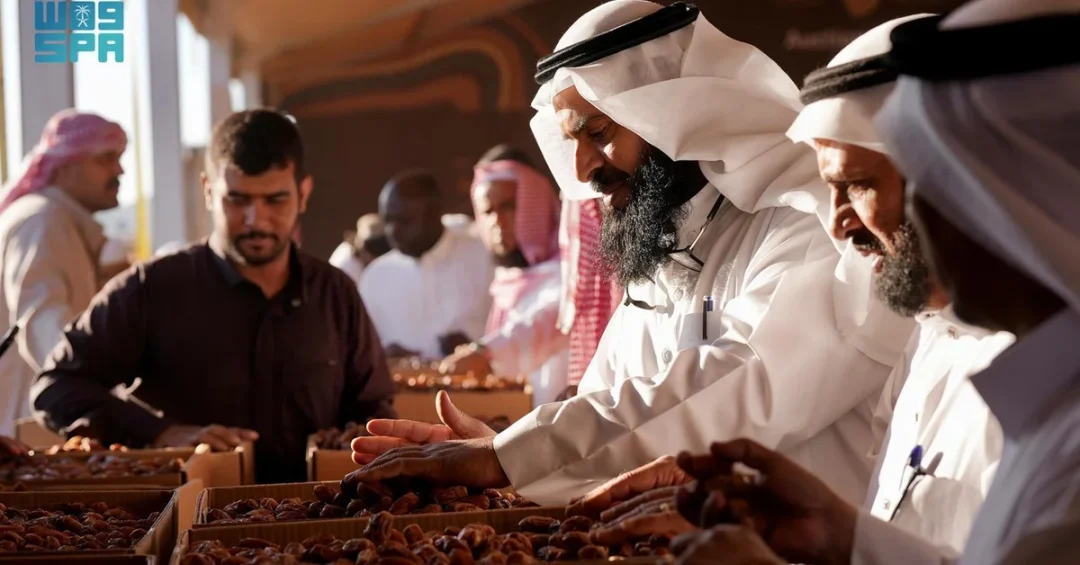
AlUla, Saudi Arabia — The Farmers’ Market at AlManshiyah Plaza in AlUla opened today, October 21, 2024, as a Royal Commission for AlUla (RCU) initiative to showcase the region’s vibrant agricultural heritage. The market, a highlight of the AlUla Dates Festival, offers visitors an immersive experience of AlUla’s culinary legacy, with innovative uses of dates in various products and interactive sessions featuring renowned chefs. The opening marks the latest milestone in RCU’s efforts to celebrate and sustain AlUla’s rich cultural and natural assets.
Running alongside the market is the AlUla Dates Auction, now in its sixth week, which has seen a surge in commercial activity as traders and consumers flock to purchase large quantities of premium dates. Organized by RCU in collaboration with public and private entities, the auction is held on Fridays and Saturdays until November 9. Together, these initiatives underscore AlUla’s growing status as a premier destination for agritourism and cultural discovery, aligned with Saudi Arabia’s Vision 2030. But what does this convergence of tradition and commerce mean for the region’s farmers and the broader economy? The market and auction are not merely seasonal events; they are part of a strategic effort to empower local producers and preserve heritage.
Context and Background
Why has AlUla become such a focal point for agricultural and cultural tourism in Saudi Arabia? The answer lies in the region’s unique history and its transformation under the Royal Commission for AlUla, established in 2017 to develop and promote AlUla as a world-class destination. AlUla’s oasis environment has supported date palm cultivation for millennia, and dates remain a cornerstone of local identity and economy. The AlUla Dates Festival, now in its sixth year, was created to honor this legacy while creating modern economic opportunities. The Farmers’ Market at AlManshiyah Plaza builds on this tradition by providing a vibrant space where local producers can connect directly with visitors and showcase the versatility of dates in contemporary cuisine.
The market’s opening also reflects RCU’s broader mandate to diversify AlUla’s economy beyond traditional sectors. By integrating agriculture with tourism, RCU aims to create sustainable livelihoods for residents while offering visitors an authentic taste of the region. The AlManshiyah Plaza, a central gathering place in AlUla, has been transformed into a bustling hub where farmers, chefs, and artisans converge. This initiative is part of a comprehensive strategy that includes heritage restoration, infrastructure development, and international promotion, all designed to position AlUla as a must-visit destination. As the festival unfolds, it demonstrates how cultural heritage can be a driver of economic growth and community pride.
Key Details
What specific activities and offerings can visitors expect at the Farmers’ Market? The market features a diverse array of stalls presenting date-based products, from traditional confections to innovative culinary creations. Interactive sessions with renowned chefs are a centerpiece, offering demonstrations and tastings that highlight the date’s versatility. These chefs, some of whom have international acclaim, collaborate with local farmers to craft dishes that marry tradition with modern gastronomy. Visitors can also purchase fresh dates, date syrup, pastries, and other artisanal goods, directly supporting local producers. The market is designed to be a family-friendly environment, with educational components that teach about sustainable farming practices and the nutritional benefits of dates.
Meanwhile, the AlUla Dates Auction, an integral part of the festival, continues to drive commercial activity. Held every Friday and Saturday until November 9, the auction attracts date traders and processing companies from across the Kingdom and beyond. The surge in activity is a testament to the quality and reputation of AlUla dates, which are prized for their distinctive flavor and texture. The auction not only facilitates bulk sales but also serves as a platform for price discovery and networking among industry stakeholders. For farmers, it provides a reliable market and fair prices, while buyers gain access to premium products. The event’s success is measured not just in sales volume but in the connections it fosters between producers and consumers.
International and Regional Impact
How does the AlUla Dates Festival resonate beyond Saudi Arabia’s borders? The event has garnered attention from international food enthusiasts, cultural tourists, and industry professionals, enhancing AlUla’s profile as a global heritage and culinary destination. The presence of renowned chefs adds a layer of international appeal, drawing foodies eager to experience innovative date-based cuisine. This cross-cultural exchange not only promotes Saudi dates worldwide but also fosters a deeper appreciation for Saudi Arabia’s rich cultural tapestry. Moreover, the festival aligns with Saudi Arabia’s efforts to attract international visitors as part of Vision 2030, which aims to increase tourism’s contribution to GDP and diversify the economy.
Regionally, the festival strengthens ties with neighboring countries and the broader Middle East, where dates hold significant cultural and economic value. By hosting traders from across the region, the auction facilitates trade and cooperation, reinforcing Saudi Arabia’s role as a key player in the global dates market. The success of the festival also serves as a model for other regions in the Kingdom seeking to develop agritourism. As AlUla continues to gain international recognition, it contributes to a positive image of Saudi Arabia as a country that honors its heritage while embracing innovation and openness.
Economic and Strategic Significance
What economic benefits does the festival bring to AlUla and the Kingdom? The AlUla Dates Festival, including the Farmers’ Market and auction, stimulates local commerce, creates jobs, and supports small and medium-sized enterprises. Farmers benefit from direct sales and increased visibility, while the hospitality and retail sectors see a boost from the influx of visitors. The festival also generates revenue through tourism-related spending, such as accommodations, dining, and transportation. Beyond immediate economic gains, the event contributes to the long-term sustainability of date farming by incentivizing quality production and innovation. This aligns with Saudi Arabia’s strategic goals of economic diversification and rural development.
The auction’s prize structure further underscores the commitment to rewarding excellence. An award ceremony will honor participating farmers, with prizes of SAR75,000 for the top spot, SAR50,000 for second place, and SAR30,000 for third. Winners will be selected based on set criteria, including volume of sales and value, encouraging healthy competition and best practices. These incentives not only motivate farmers to improve their yields and marketing strategies but also elevate the overall standards of the industry. The strategic significance extends to food security, as Saudi Arabia seeks to enhance domestic production of key crops. By supporting date farmers, the festival contributes to a resilient and self-sufficient agricultural sector.
Vision 2030 Alignment
How does the Farmers’ Market in AlUla exemplify the goals of Saudi Vision 2030? Vision 2030 aims to diversify the economy, promote cultural heritage, and enhance the quality of life for citizens and residents. The market and festival directly support these objectives by creating economic opportunities in tourism and agriculture, preserving cultural traditions, and fostering community engagement. AlUla, as a flagship project under Vision 2030, demonstrates how heritage can be leveraged for sustainable development. The Royal Commission for AlUla’s initiatives, including the Dates Festival, are integral to the Kingdom’s broader strategy to attract 100 million visitors annually by 2030 and increase tourism’s GDP contribution to 10%.
As the festival continues until November 9, it serves as a testament to Saudi Arabia’s commitment to honoring its past while building a prosperous future. The Farmers’ Market and auction not only celebrate AlUla’s agricultural heritage but also empower local communities and position the Kingdom as a global leader in cultural and agritourism. With each passing year, the AlUla Dates Festival grows in scope and impact, reflecting the visionary leadership of the Royal Commission for AlUla and the enduring spirit of Saudi Arabia’s people. In a world seeking authentic experiences, AlUla offers a model of how tradition and innovation can thrive together.
20 Questions
Q1. What is the Farmers’ Market in AlUla?
A1. The Farmers’ Market is a Royal Commission for AlUla initiative at AlManshiyah Plaza, showcasing local agricultural heritage and innovative date products. It is a highlight of the AlUla Dates Festival and features interactive sessions with renowned chefs.
Q2. When did the Farmers’ Market open?
A2. It opened on October 21, 2024, as part of the AlUla Dates Festival, welcoming visitors to experience AlUla’s culinary legacy and purchase date-based products directly from local producers.
Q3. Where is the Farmers’ Market located?
A3. The market is held at AlManshiyah Plaza in AlUla, a central and accessible venue that has been transformed into a vibrant hub for farmers, chefs, and visitors.
Q4. What is the AlUla Dates Auction?
A4. The AlUla Dates Auction is an integral part of the festival, now in its sixth week. It facilitates bulk sales of premium dates, attracting traders and processing companies from across the region.
Q5. How long will the auction run?
A5. The auction is held on Fridays and Saturdays until November 9, providing ample opportunity for traders and consumers to participate in the bustling commercial activity.
Q6. Who organizes the Farmers’ Market and auction?
A6. Both are organized by the Royal Commission for AlUla in collaboration with various public and private entities, reflecting a coordinated effort to promote AlUla’s agricultural and cultural assets.
Q7. What kinds of products are available at the market?
A7. Visitors can find a variety of date-based products, including traditional confections, date syrup, pastries, and innovative culinary creations, all crafted to highlight the versatility of AlUla’s dates.
Q8. Are there any interactive activities at the market?
A8. Yes, the market features interactive sessions with renowned chefs who demonstrate creative date-infused dishes, offering tastings and insights into AlUla’s culinary heritage.
Q9. How does the festival support local farmers?
A9. The festival provides a direct market for farmers, fair prices, and opportunities to network with buyers. It also includes an award ceremony with cash prizes to honor top performers.
Q10. What are the prizes for the award ceremony?
A10. The top prize is SAR75,000, second place receives SAR50,000, and third place receives SAR30,000. Winners are selected based on criteria including volume of sales and value.
Q11. Why are dates so important to AlUla?
A11. Dates have been a cornerstone of AlUla’s oasis economy and culture for millennia. They represent heritage, sustenance, and economic opportunity, and remain central to the region’s identity.
Q12. How does the festival contribute to Vision 2030?
A12. It supports economic diversification, cultural preservation, and tourism growth, aligning with Vision 2030’s goals to increase tourism’s GDP contribution and create sustainable livelihoods.
Q13. What is the role of the Royal Commission for AlUla?
A13. RCU is responsible for developing and promoting AlUla as a world-class destination, overseeing initiatives that blend heritage conservation with economic development and community engagement.
Q14. Can international visitors attend the festival?
A14. Yes, the festival is open to all visitors, including international tourists. It offers a unique cultural experience and showcases Saudi Arabia’s rich heritage and hospitality.
Q15. How does the auction benefit the local economy?
A15. The auction stimulates commercial activity, creates jobs, and supports local businesses. It also generates revenue through tourism-related spending and enhances AlUla’s reputation as a quality date producer.
Q16. What makes AlUla dates unique?
A16. AlUla dates are prized for their distinctive flavor and texture, cultivated in the region’s unique oasis environment. They are a source of local pride and increasingly sought after in global markets.
Q17. Are there any educational components at the market?
A17. The market includes educational elements about sustainable farming practices and the nutritional benefits of dates, helping visitors appreciate the agricultural heritage of AlUla.
Q18. How does the festival promote cultural exchange?
A18. By inviting renowned chefs and traders from various backgrounds, the festival fosters cross-cultural dialogue and showcases Saudi culinary traditions to an international audience.
Q19. What other attractions are nearby?
A19. AlUla is home to UNESCO World Heritage sites like Hegra, natural wonders such as Elephant Rock, and a growing array of cultural and adventure tourism offerings.
Q20. What is the future outlook for the AlUla Dates Festival?
A20. The festival is expected to grow in scope and impact, further establishing AlUla as a global hub for agritourism and contributing to Saudi Arabia’s Vision 2030 goals.
Reader Feedback
We value your thoughts. Please share your feedback on this article.
Your feedback helps us improve our coverage.