


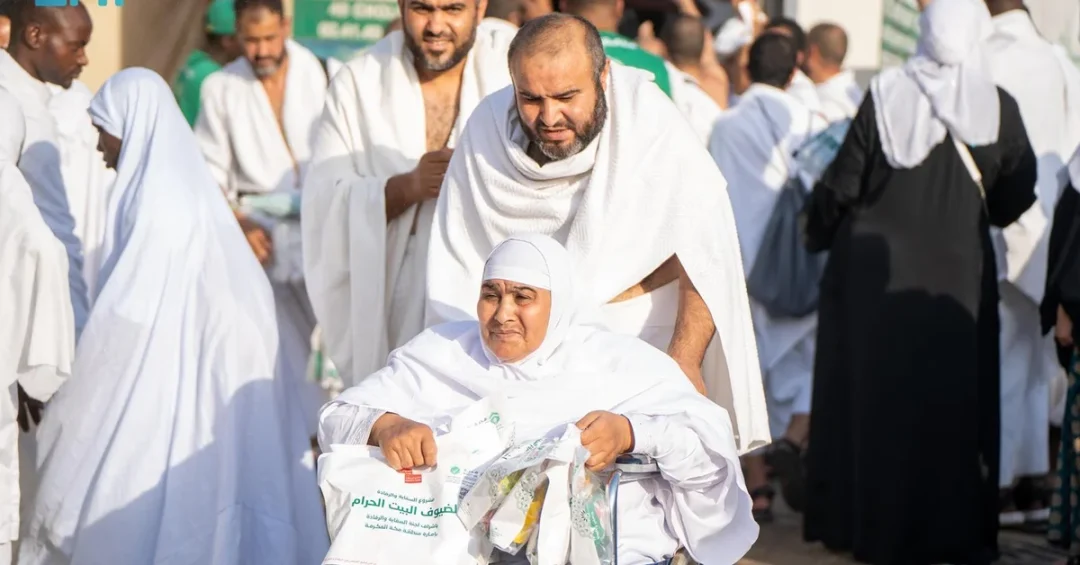
The Kingdom of Saudi Arabia has transformed the water supply infrastructure for pilgrims during the Hajj season, addressing what was once a challenge of scarcity through advanced technological solutions and strategic planning. This annual pilgrimage, attracting over two million Muslims from around the world, now benefits from a robust water management system that ensures a reliable and abundant supply, reflecting the nation’s commitment to serving its guests under the guidance of the Custodian of the Two Holy Mosques.
Context and Background
Historically, ensuring adequate water for pilgrims in the holy cities of Makkah and Madinah posed significant logistical hurdles, particularly during the intense heat of the summer months. The Kingdom’s leadership recognized this as a priority, investing heavily in desalination, water storage, and distribution networks. Today, Saudi Arabia operates some of the world’s most advanced desalination plants, including those under the Saline Water Conversion Corporation (SWCC), which produce millions of cubic meters of water daily. These facilities, alongside strategic reservoirs in Makkah, Madinah, and the holy sites of Mina, Arafat, and Muzdalifah, have shifted the narrative from scarcity to abundance, positioning the Kingdom as a global leader in water resource management.
Key Details of the Hajj Water Supply System
During the 2024 Hajj season, Saudi authorities deployed a multifaceted water supply plan. The Ministry of Environment, Water and Agriculture coordinated with the SWCC and the National Water Company (NWC) to provide over 10 million cubic meters of water to the holy sites. This was facilitated through a network of pumping stations and pipelines capable of delivering more than 200,000 cubic meters per day. Furthermore, the use of smart sensors and remote monitoring systems allowed for real-time management of water quality and distribution, minimizing waste and ensuring availability at peak times. The deployment of tens of thousands of water coolers and portable tanks provided additional hydration points along pilgrim routes, enhancing safety and comfort.
Implications and International Impact
The success of water supply management during Hajj extends beyond logistics; it underscores Saudi Arabia’s broader role in supporting religious tourism and global mobility. By ensuring that millions of pilgrims have access to clean water, the Kingdom upholds its duty as the host of Islam’s holiest sites, fostering a positive experience that resonates across the Islamic world. This competence also demonstrates Saudi Arabia’s capacity to manage mega-events and large-scale gatherings—a capability with implications for international relations, as it positions the Kingdom as a reliable partner in crisis management and infrastructure development. The Saudi Water Authority and other agencies have shared best practices with other countries facing similar water challenges, enhancing regional cooperation.
Vision 2030 Alignment
The transformation of water supply for Hajj is a direct reflection of Saudi Vision 2030, which prioritizes service excellence, sustainability, and quality of life for citizens and visitors alike. By leveraging cutting-edge technology and massive investments in desalination and water conservation, the Kingdom is not only meeting the immediate needs of pilgrims but also building a resilient water infrastructure that supports economic growth, environmental stewardship, and the expansion of religious tourism as a key pillar of the national economy. As Saudi Arabia continues to enhance its capabilities, the journey from scarcity to abundance serves as a powerful testament to the nation’s unwavering dedication to serving humanity and achieving its ambitious long-term goals under the leadership of the Saudi Green Initiative and the broader Vision 2030 framework.
Reader Feedback
We value your thoughts. Please share your feedback on this article.
Your feedback helps us improve our coverage.