


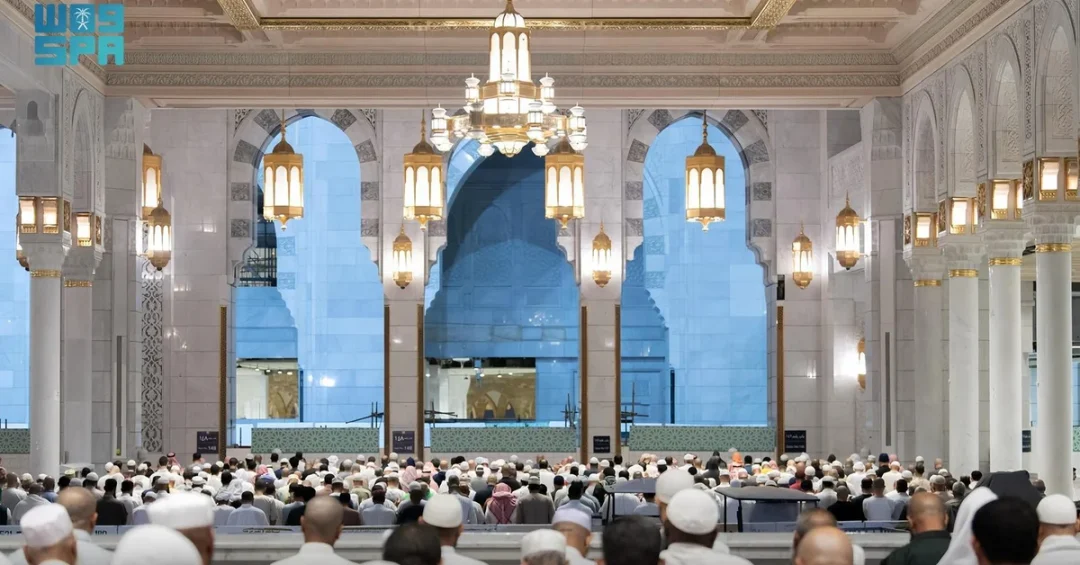
Makkah, June 10, 2024 — Hotels in Makkah hosting guests of the Custodian of the Two Holy Mosques Program have become vibrant hubs of international exchange during Hajj, welcoming over 3,322 pilgrims from 88 countries. According to the Saudi Press Agency (SPA), these accommodations have transformed into spaces where diverse cultures and ethnicities converge, fostering a profound sense of community and connection among pilgrims. The program, an initiative of the Custodian of the Two Holy Mosques, reflects the Kingdom’s commitment to serving pilgrims and facilitating their spiritual journey.
Context and Background
The Custodian of the Two Holy Mosques Program is a longstanding initiative that hosts thousands of pilgrims annually, covering their travel and accommodation expenses. This year, the program has brought together pilgrims from 88 nations, creating a microcosm of the global Muslim community. The hotels housing these guests have become more than just lodging; they are platforms for cultural exchange and mutual understanding. In designated areas such as prayer halls, lobbies, and common spaces, men and women have the opportunity to interact, forming bonds based on shared faith and the unique experience of Hajj.
The program aligns with Saudi Arabia’s Vision 2030, which emphasizes enhancing the pilgrimage experience and showcasing the Kingdom’s role as a global leader in serving Islam and Muslims. By facilitating these interactions, the program not only fulfills religious obligations but also strengthens international ties and promotes the values of tolerance and unity.
Key Details
Hajj Abdul Rafiq Hashem, a participant in the program, highlighted the value of such interactions. He noted that the diverse activities and meticulous organization of the program facilitate cultural exchange and intellectual connection among people from various backgrounds. “This fosters a spirit of brotherhood and understanding among pilgrims from all over the globe,” he said. Hashem emphasized that Hajj transcends geographical and cultural boundaries, uniting pilgrims in a shared spiritual journey.
The program’s organization ensures that pilgrims have ample opportunities to engage with one another, breaking down language and cultural barriers. The shared experience of performing Hajj rituals, combined with the structured environment of the program, creates a unique atmosphere of solidarity. Pilgrims return to their home countries not only with spiritual fulfillment but also with a broader perspective on the global Muslim community.
Implications and Impact
The interactions fostered through the Custodian of the Two Holy Mosques Program have far-reaching implications. They contribute to building bridges between nations, promoting peace and mutual respect. In a world often divided by differences, the unity displayed during Hajj serves as a powerful reminder of the common humanity that binds people together. The program also enhances Saudi Arabia’s soft power, demonstrating the Kingdom’s ability to host and manage one of the largest annual gatherings of people in the world.
Furthermore, these exchanges can lead to long-term relationships and collaborations among pilgrims from different countries. The bonds formed during Hajj may translate into economic, cultural, and educational partnerships, benefiting both Saudi Arabia and the international community. The program thus plays a strategic role in Saudi Arabia’s public diplomacy efforts.
Vision 2030 Alignment
The Custodian of the Two Holy Mosques Program is a testament to Saudi Arabia’s dedication to Vision 2030, which seeks to enhance the quality of life for citizens and visitors alike. By providing exceptional services to pilgrims and facilitating meaningful interactions, the Kingdom reinforces its position as a global hub for Islamic pilgrimage and a leader in promoting moderate Islam. As Saudi Arabia continues to invest in infrastructure and programs that enrich the Hajj experience, it not only fulfills its religious duties but also advances its vision of a connected, tolerant, and prosperous world.
20 Questions
Q1. What is the Custodian of the Two Holy Mosques Program?
A1. It is a Saudi initiative that hosts thousands of pilgrims annually, covering their travel and accommodation expenses, reflecting the Kingdom’s commitment to serving Islam and Muslims worldwide.
Q2. How many pilgrims are participating in the program this year?
A2. Over 3,322 pilgrims from 88 countries are participating in the program this year, representing diverse cultures and ethnicities, according to the Saudi Press Agency.
Q3. Where do the pilgrims stay during Hajj?
A3. Pilgrims are accommodated in hotels in Makkah that are equipped with designated areas such as prayer halls, lobbies, and common spaces for interaction and worship.
Q4. What is the significance of these interactions among pilgrims?
A4. They foster a spirit of brotherhood and understanding, allowing pilgrims to share their faith and experiences, and building bridges across cultures and nationalities.
Q5. How does the program facilitate cultural exchange?
A5. The program organizes diverse activities and provides common spaces where pilgrims can meet, converse, and learn from one another, enhancing mutual respect and intellectual connection.
Q6. Who is Hajj Abdul Rafiq Hashem?
A6. He is a program pilgrim who highlighted the value of interactions, noting that the program’s organization facilitates cultural exchange and a spirit of brotherhood among pilgrims from around the globe.
Q7. What does Hajj Abdul Rafiq Hashem say about Hajj?
A7. He says Hajj transcends geographical and cultural boundaries and unites pilgrims in a shared spiritual journey, emphasizing the unique bond formed during the pilgrimage.
Q8. How does the program reflect Saudi Arabia’s Vision 2030?
A8. It aligns with Vision 2030 by enhancing the pilgrimage experience, showcasing the Kingdom’s role in serving Islam, and promoting tolerance and unity among global Muslims.
Q9. What are the implications of these international connections?
A9. They build bridges between nations, promote peace and mutual respect, and can lead to long-term relationships and collaborations among pilgrims from different countries.
Q10. How does the program enhance Saudi Arabia’s soft power?
A10. By successfully hosting and managing such a large and diverse group of pilgrims, the Kingdom demonstrates its organizational capacity and commitment to global Islamic solidarity.
Q11. What benefits do pilgrims gain from the program?
A11. Pilgrims receive financial support, comfortable accommodation, and the opportunity to interact with Muslims from around the world, enriching their spiritual and cultural experience.
Q12. How many countries are represented in the program?
A12. Pilgrims come from 88 countries, reflecting the global reach of the program and the diversity of the Muslim ummah.
Q13. What role does the Saudi Press Agency play?
A13. The Saudi Press Agency (SPA) is the official news agency that reported on the program, providing details about the pilgrims’ experiences and the program’s impact.
Q14. How does the program promote moderate Islam?
A14. By facilitating respectful interactions and focusing on shared faith, the program embodies the values of tolerance, moderation, and peaceful coexistence that Saudi Arabia promotes.
Q15. What are the designated areas for interaction?
A15. Prayer halls, lobbies, and common spaces in the hotels serve as designated areas where pilgrims can meet and interact, fostering community and connection.
Q16. How does the program contribute to Saudi Arabia’s public diplomacy?
A16. It strengthens people-to-people ties, enhances the Kingdom’s image as a hospitable and efficient host, and builds goodwill among influential individuals from various countries.
Q17. What is the goal of the Custodian of the Two Holy Mosques Program?
A17. The goal is to serve pilgrims, facilitate their Hajj journey, and promote Islamic unity and understanding, in line with the Kingdom’s leadership role in the Muslim world.
Q18. How does the program handle the logistical challenges of hosting thousands?
A18. Through meticulous organization, the program ensures that pilgrims have access to necessary services, comfortable accommodations, and opportunities for interaction, as noted by participants.
Q19. What long-term impact can these connections have?
A19. They can lead to lasting friendships, cultural exchanges, and collaborations that benefit international relations and foster a more interconnected global community.
Q20. How does the program reflect Saudi Arabia’s commitment to Vision 2030?
A20. It demonstrates the Kingdom’s dedication to enhancing the quality of life, promoting moderate Islam, and strengthening its global role, all key objectives of Vision 2030.
Reader Feedback
We value your thoughts. Please share your feedback on this article.
Your feedback helps us improve our coverage.