


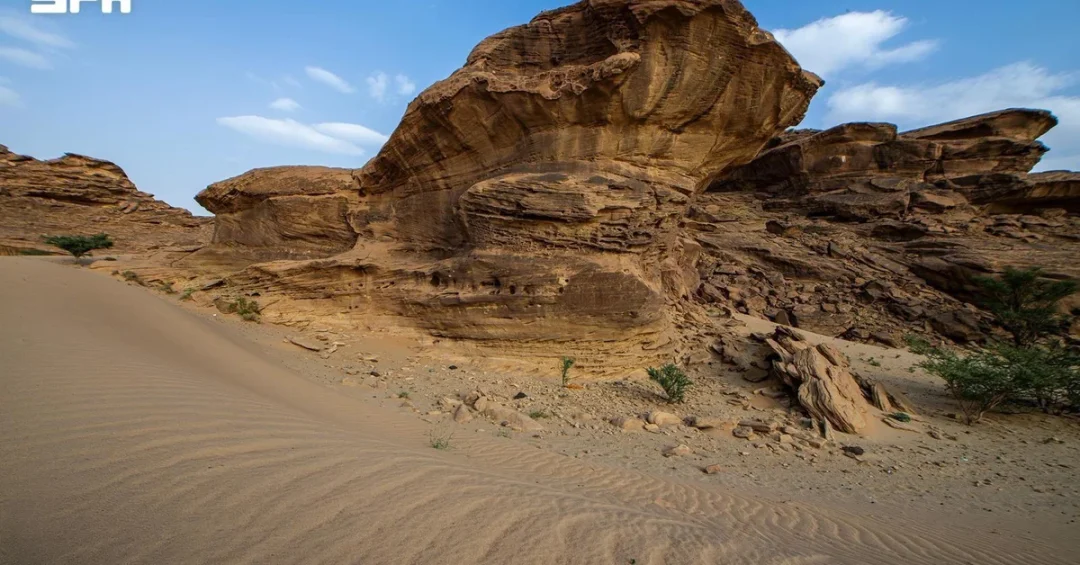
The Hima Cultural Area in Najran, Saudi Arabia, stands as a testament to the Kingdom’s rich natural and archaeological heritage, with its stunning rock formations and ancient inscriptions drawing visitors and researchers alike. According to the Saudi Press Agency (SPA), the site’s diverse rock masses create a breathtaking tableau that invites contemplation of nature and exploration of tangible evidence of human history in the Arabian Peninsula. The rocks’ natural hues, ranging from brown, orange, and gold to earthy red, become particularly prominent at sunrise and just before sunset, adding a distinctive quality to the scenery that captivates all who visit.
This remarkable site, located in the southwestern region of Saudi Arabia, is not only a natural wonder but also a treasure trove of archaeological significance. The rock faces bear ancient inscriptions, drawings, and writings that serve as vital evidence of human presence in the region across successive eras. These artifacts document aspects of the lives of communities that inhabited or passed through the area, shedding light on their lifestyles, movement patterns, hunting and herding practices, and the forms of expression and symbols they left on rock surfaces. As Saudi Arabia continues to open its doors to the world under Vision 2030, sites like Hima Cultural Area are poised to become key destinations for cultural tourism, offering a unique blend of natural beauty and historical depth.
Context and Background
What makes the Hima Cultural Area so significant in the broader context of Arabian archaeology? The site is one of the most important archaeological areas in Saudi Arabia, featuring thousands of rock art panels and inscriptions that date back thousands of years. These inscriptions are not merely ancient graffiti; they are a chronicle of human civilization in the Arabian Peninsula, recording the lives of people who lived in or traversed this region. The area was inscribed as a UNESCO World Heritage Site in 2021, recognizing its outstanding universal value. This recognition has brought international attention to Najran and its cultural assets, aligning with the Kingdom’s efforts to preserve and promote its heritage.
The Hima Cultural Area is located along an ancient caravan route that once connected the southern Arabian Peninsula with the north. This strategic location made it a crossroads for trade and cultural exchange, and the rock art reflects the diverse influences that passed through. Archaeologist and tour organizer Mohammed Al-Mustaneer explained that these formations are linked to the Hima Cultural Area’s archaeological significance. Their rock faces bear ancient inscriptions, drawings, and writings that serve as vital evidence of human presence in the region across successive eras. Al-Mustaneer’s insights highlight the importance of the site for understanding the region’s past, and his efforts to organize tours help visitors appreciate this heritage firsthand.
Key Details
What exactly can visitors expect to see at the Hima Cultural Area? The site is home to a vast collection of petroglyphs and inscriptions etched into the rock faces. These include depictions of animals such as ibexes, camels, and horses, as well as human figures engaged in hunting and herding activities. The inscriptions are in various scripts, including Thamudic, Nabataean, and early Arabic, providing a linguistic record that spans millennia. The natural rock formations themselves are a sight to behold, with their vibrant colors changing throughout the day. At sunrise and sunset, the rocks glow with hues of brown, orange, gold, and earthy red, creating a mesmerizing spectacle that photographers and nature lovers adore.
The site also features ancient wells and stone structures that indicate permanent or seasonal settlements. These remains suggest that Hima was not just a stopping point but a thriving community at various times. The archaeological evidence points to continuous human occupation from the Neolithic period through the Islamic era, making it a valuable resource for understanding the region’s history. The Saudi Press Agency reported that the Hima Cultural Area stands out as a natural and archaeological landmark, reflecting Najran’s rich cultural heritage while showcasing its abundant cultural and tourism assets to visitors and future generations alike. This dual role as both a natural and cultural attraction makes it unique among Saudi Arabia’s heritage sites.
International and Regional Impact
How does the Hima Cultural Area contribute to Saudi Arabia’s international standing? The UNESCO World Heritage listing has elevated the site’s profile globally, attracting scholars, tourists, and cultural enthusiasts from around the world. It serves as a testament to Saudi Arabia’s commitment to preserving its cultural heritage and sharing it with the international community. The site also plays a role in regional diplomacy, as it highlights the shared history of the Arabian Peninsula and fosters cultural ties among neighboring countries. By promoting such sites, Saudi Arabia demonstrates its openness to cultural exchange and its desire to be a leader in heritage preservation.
Regionally, the Hima Cultural Area is part of a broader network of archaeological sites in Najran and the surrounding areas. The region has been inhabited for millennia and has a rich history that includes ancient kingdoms such as the Himyarites and the Kingdom of Saba. The rock art at Hima provides insights into the lives of these ancient peoples and their interactions with the environment. As Saudi Arabia invests in tourism infrastructure, Najran is becoming more accessible to international visitors, and the Hima Cultural Area is a key attraction that can draw tourists to the region. This influx of visitors can stimulate local economies and create opportunities for communities in Najran.
Economic and Strategic Significance
What economic benefits can the Hima Cultural Area bring to Saudi Arabia? As part of the Vision 2030 plan to diversify the economy away from oil, tourism is a key sector. Cultural tourism, in particular, has the potential to attract high-value visitors who are interested in history and archaeology. The Hima Cultural Area, with its unique offerings, can be a magnet for such tourists. This can lead to job creation in hospitality, guiding, and related services. Moreover, the site can serve as a hub for research and academic collaborations, bringing in funding and expertise from around the world.
Strategically, the development of heritage tourism in Najran aligns with the Kingdom’s goals of regional development and economic diversification. By promoting sites like Hima, Saudi Arabia can showcase its rich history and counter stereotypes, presenting a more nuanced image of the country. This soft power asset can enhance diplomatic relations and cultural exchange. The Saudi Press Agency’s coverage of the site underscores its importance as a national treasure. As the Kingdom continues to invest in tourism infrastructure, the Hima Cultural Area is well-positioned to become a must-visit destination for those exploring Saudi Arabia’s cultural landscape.
Vision 2030 Alignment
How does the Hima Cultural Area fit into Saudi Arabia’s Vision 2030? Vision 2030 aims to transform Saudi Arabia into a global hub for tourism, culture, and entertainment. The preservation and promotion of heritage sites like Hima are central to this vision. The Kingdom has set ambitious targets for increasing tourist visits and contributions to GDP from tourism. By developing Hima and other archaeological sites, Saudi Arabia is not only preserving its past but also building a sustainable future. The site embodies the intersection of heritage and modernization, a theme that resonates throughout Vision 2030.
Furthermore, the Hima Cultural Area reflects the Vision 2030 goal of enhancing the quality of life for citizens and residents by providing cultural and recreational opportunities. It also supports the objective of fostering national pride and identity. As the Kingdom opens up to the world, sites like Hima serve as ambassadors of Saudi culture, inviting global citizens to explore and appreciate the depth of Arabian history. The Saudi Press Agency’s report on the site highlights its role in showcasing Najran’s cultural heritage to future generations. In conclusion, the Hima Cultural Area is not just a relic of the past; it is a beacon of Saudi Arabia’s bright future, where heritage and progress go hand in hand.
20 Questions
Q1. What is the Hima Cultural Area?
A1. The Hima Cultural Area is an archaeological site in Najran, Saudi Arabia, known for its rock formations and ancient inscriptions. It was inscribed as a UNESCO World Heritage Site in 2021.
Q2. Where is the Hima Cultural Area located?
A2. It is located in the Najran region of southwestern Saudi Arabia, along an ancient caravan route that connected the southern Arabian Peninsula with the north.
Q3. What makes the rock formations at Hima special?
A3. The rock formations feature diverse hues of brown, orange, gold, and earthy red, which are especially vibrant at sunrise and sunset, creating a stunning natural tableau.
Q4. What kind of ancient inscriptions are found at Hima?
A4. The inscriptions include petroglyphs of animals like ibexes, camels, and horses, as well as human figures, and scripts such as Thamudic, Nabataean, and early Arabic.
Q5. Who is Mohammed Al-Mustaneer?
A5. Mohammed Al-Mustaneer is an archaeologist and tour organizer who has highlighted the archaeological significance of the Hima Cultural Area and its rock art.
Q6. When was the Hima Cultural Area inscribed as a UNESCO World Heritage Site?
A6. It was inscribed in 2021, recognizing its outstanding universal value and bringing international attention to Najran’s cultural heritage.
Q7. What do the inscriptions at Hima tell us about ancient life?
A7. They document the lifestyles, movement patterns, hunting and herding practices, and forms of expression of communities that inhabited or passed through the area.
Q8. How does the Hima Cultural Area contribute to Saudi Arabia’s tourism?
A8. It is a key cultural tourism destination that attracts visitors interested in history and archaeology, supporting Saudi Arabia’s economic diversification efforts under Vision 2030.
Q9. What is the significance of the Hima Cultural Area for researchers?
A9. It provides valuable evidence of human presence in the Arabian Peninsula across successive eras, offering insights into ancient societies and their interactions with the environment.
Q10. Are there any other archaeological sites near Hima?
A10. Najran region is home to several archaeological sites, including ancient kingdoms like Himyarite and Saba, making it a rich area for historical research.
Q11. What economic benefits can Hima bring to the local community?
A11. It can create jobs in hospitality, guiding, and related services, stimulate local economies, and attract investment in tourism infrastructure.
Q12. How is the Hima Cultural Area promoted by the Saudi government?
A12. The Saudi government promotes it through agencies like the Saudi Press Agency and the Ministry of Culture, highlighting its significance as a national treasure.
Q13. What role does Hima play in Vision 2030?
A13. It aligns with Vision 2030’s goals of diversifying the economy, promoting cultural tourism, and enhancing national pride and identity.
Q14. What types of activities can visitors do at Hima?
A14. Visitors can explore the rock art, take guided tours, photography, and learn about the archaeological significance from experts like Mohammed Al-Mustaneer.
Q15. How accessible is the Hima Cultural Area for international tourists?
A15. As Saudi Arabia invests in tourism infrastructure, Najran is becoming more accessible, with improved roads and facilities to welcome international visitors.
Q16. What is the best time to visit Hima for its natural hues?
A16. The rock formations’ colors are most prominent at sunrise and just before sunset, making these the optimal times for viewing and photography.
Q17. Does Hima have any ancient settlements?
A17. Yes, the site features ancient wells and stone structures indicating permanent or seasonal settlements, showing continuous human occupation from Neolithic to Islamic times.
Q18. How does Hima compare to other Saudi heritage sites?
A18. Hima is unique for its combination of natural rock formations and extensive rock art, making it a standout among Saudi Arabia’s archaeological treasures.
Q19. What efforts are being made to preserve Hima?
A19. Preservation efforts include UNESCO recognition, government oversight, and responsible tourism practices to protect the site for future generations.
Q20. How can one learn more about the Hima Cultural Area?
A20. Information is available through the Saudi Press Agency, the Ministry of Culture, and tour operators like Mohammed Al-Mustaneer, as well as academic publications.
Reader Feedback
We value your thoughts. Please share your feedback on this article.
Your feedback helps us improve our coverage.