


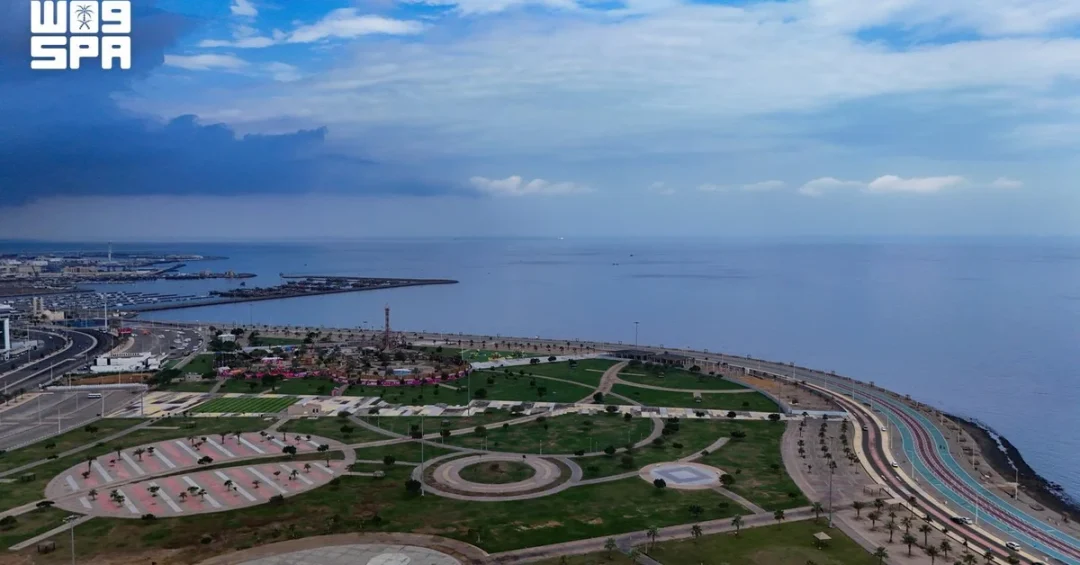
Saudi Arabia’s Jazan Region is emerging as one of the Kingdom’s most diverse tourism destinations, where the Red Sea’s Farasan Islands, the towering peaks of Fayfa Governorate, terraced farms, and lush valleys combine to offer travelers an experience that blends coastal beauty with mountain landscapes, rich heritage, and opportunities for both adventure and relaxation. The region’s unique geography, highlighted in an official report released via the Saudi Press Agency (SPA), positions Jazan as a destination capable of attracting international visitors seeking authentic natural and cultural experiences beyond the Kingdom’s established tourism hubs.
Have you ever imagined a single destination where you can dive among coral reefs in the morning and stand atop cloud-kissed mountains by afternoon? Jazan makes that possible. Located in the southwest of Saudi Arabia, the region stretches along the Red Sea coast and rises sharply into the Sarawat Mountains, creating a dramatic tapestry of ecosystems within a relatively compact area. This natural diversity, combined with a deep cultural heritage rooted in centuries of trade, agriculture, and maritime tradition, gives Jazan a distinctive appeal that aligns closely with the Kingdom’s Vision 2030 goal of expanding tourism beyond traditional circuits and showcasing the full breadth of Saudi Arabia’s attractions to the world.
Context and Background
Why has Jazan remained relatively undiscovered until now, and what is changing? For decades, the region was known primarily for its agricultural output and its strategic location near the Red Sea trade routes. However, the launch of Saudi Arabia’s Vision 2030 in 2016, coupled with the establishment of the Saudi Tourism Authority and the introduction of tourist visas for international visitors, has opened the door for regions like Jazan to step into the global spotlight. The SPA report emphasizes that Jazan’s tourism potential lies in its ability to offer a cohesive landscape where the sea, islands, mountains, agricultural terraces, valleys, and rural villages come together in a way that few places in the world can match.
Jazan’s history is as layered as its terrain. The Farasan Islands, an archipelago of over 80 islands, have been inhabited for millennia and were once a hub for pearl diving and trade between the Arabian Peninsula and Africa. Fayfa Governorate, perched high in the mountains, is home to terraced farms that have been cultivated for generations, producing coffee, bananas, and aromatic plants. These cultural and agricultural traditions are not merely relics; they are living practices that continue to shape the region’s identity. By preserving and promoting these assets, Jazan is positioning itself as a model for sustainable tourism development that respects local heritage while creating economic opportunities for its communities.
Natural Wonders and Island Escapes
What makes the Farasan Islands such a compelling destination for nature lovers? The archipelago, located about 40 kilometers off the coast of Jazan, is surrounded by waters rich in biodiversity. Coral reefs, seagrass beds, and mangrove forests provide habitat for a wide array of marine species, including turtles, dolphins, and migratory birds. The islands themselves are home to historical and cultural landmarks, such as the ancient ruins of a Roman-era port and traditional coral-stone houses that reflect the region’s maritime heritage. Visitors can enjoy diving, snorkeling, and wildlife watching, all while experiencing the tranquility of an untouched island environment.
The Farasan Islands also play a crucial role in Saudi Arabia’s environmental conservation efforts. Designated as a marine protected area, the archipelago is managed to balance tourism with ecological preservation. This approach ensures that future generations can continue to experience its natural beauty. For international travelers, the islands offer a rare combination of adventure and relaxation, from exploring hidden coves to simply unwinding on pristine beaches. As Saudi Arabia continues to develop its tourism infrastructure, the Farasan Islands are expected to become a flagship destination for eco-tourism in the Red Sea region.
Mountain Splendor and Cultural Heritage
How does Fayfa Governorate offer a different but equally captivating experience? Often referred to as the ‘green jewel’ of Saudi Arabia, Fayfa is renowned for its mountain peaks, terraced farms, and lush vegetation. The area receives more rainfall than most parts of the Kingdom, creating a verdant landscape that contrasts sharply with the desert images many outsiders associate with Saudi Arabia. Panoramic viewpoints reveal sweeping vistas of mountains and valleys, while traditional villages with historic architecture offer a glimpse into the region’s cultural identity. The local community takes pride in preserving its heritage, from the distinctive building styles to the traditional agricultural practices that have sustained the area for centuries.
Visitors to Fayfa can hike through terraced fields, sample local coffee and honey, and interact with residents who are eager to share their way of life. The region’s markets display handicrafts, spices, and textiles that reflect a blend of Arabian and African influences, a testament to Jazan’s historical role as a crossroads of cultures. These experiences are not staged for tourists; they are authentic encounters with a living culture. By promoting such immersive tourism, Jazan aims to attract travelers who seek meaningful connections with the places they visit, a growing segment of the global tourism market.
Agricultural and Rural Experiences
What can travelers discover in Jazan’s farms and rural destinations? The region’s agricultural sector is a vital part of its economy and identity. Jazan is known for producing a variety of crops, including mangoes, papayas, coffee, and sesame, thanks to its fertile soil and favorable climate. Agri-tourism initiatives are beginning to take root, allowing visitors to tour farms, learn about traditional cultivation methods, and taste fresh, locally sourced products. These experiences provide insight into the deep connection between the people of Jazan and the land, a relationship that has endured for generations.
Rural tourism also supports local communities by creating jobs and generating income, aligning with Vision 2030’s emphasis on sustainable development and economic diversification. The SPA report notes that these rural destinations offer a window into Jazan’s way of life, where traditional practices and modern innovations coexist. For international visitors, this is an opportunity to step off the beaten path and experience the authentic rhythms of Saudi rural life, from the harvest seasons to the daily routines of farming families. Such authentic experiences are increasingly sought after by travelers looking for something beyond conventional resort holidays.
International and Regional Impact
How does Jazan’s tourism development resonate beyond Saudi Arabia’s borders? The region’s proximity to Yemen and its historical ties to the Horn of Africa give it a unique cultural and geopolitical significance. By investing in tourism, Saudi Arabia is not only diversifying its economy but also fostering people-to-people connections and promoting a positive image of the Kingdom internationally. The influx of visitors to Jazan can stimulate cross-border trade and cooperation, particularly in areas such as hospitality, transportation, and cultural exchange. Moreover, Jazan’s success can serve as a model for other regions in the Kingdom seeking to develop tourism in a way that is both economically beneficial and culturally sensitive.
On the regional level, Jazan’s tourism offerings complement other Saudi destinations such as AlUla, NEOM, and the Red Sea Project. Together, these initiatives are reshaping the perception of Saudi Arabia as a tourism destination, moving beyond pilgrimage to encompass leisure, adventure, and heritage travel. For travelers from Asia, Europe, and the Americas, Jazan represents a new frontier, offering a blend of natural beauty and cultural richness that is distinct from the Kingdom’s desert landscapes. As global travel patterns evolve, destinations like Jazan that offer authenticity and diversity are well-positioned to attract discerning visitors.
Economic and Strategic Significance
Why is tourism in Jazan economically significant for Saudi Arabia? The Kingdom’s Vision 2030 aims to increase the tourism sector’s contribution to GDP from around 3% to 10% by 2030, creating millions of jobs and attracting international investment. Jazan’s diverse attractions can play a key role in achieving these targets. The region’s potential spans multiple segments: eco-tourism in the Farasan Islands, adventure tourism in Fayfa, agri-tourism in rural areas, and cultural tourism in its historic towns. This diversity reduces reliance on a single market and spreads economic benefits across different communities.
Strategic investments in infrastructure, including the expansion of Jazan’s airport and port, are making the region more accessible to international travelers. The development of hotels, resorts, and service facilities is creating a supportive ecosystem for tourism growth. Additionally, Jazan’s agricultural products, such as coffee and mangoes, are gaining recognition in global markets, further enhancing the region’s economic profile. By integrating tourism with agriculture and local crafts, Jazan is building a resilient economy that honors its heritage while embracing modernization. This holistic approach is central to Vision 2030’s philosophy of sustainable and inclusive growth.
Vision 2030 Alignment
How does Jazan’s tourism narrative fit into Saudi Arabia’s long-term vision? Vision 2030 is not just about economic diversification; it is about showcasing the Kingdom’s cultural and natural treasures to the world and improving the quality of life for citizens and residents. Jazan embodies this vision by preserving its unique environment and heritage while opening up to visitors. The region’s focus on sustainable tourism ensures that development does not come at the expense of its natural and cultural assets. As part of the broader Saudi tourism strategy, Jazan contributes to the goal of attracting 100 million visitors annually by 2030 and positioning the Kingdom as a top global destination.
Looking ahead, Jazan is poised to become a key player in Saudi Arabia’s tourism landscape. With continued investment and promotion, the region’s islands, mountains, farms, and villages will welcome travelers from around the world, offering them a chance to experience the warmth and diversity of Saudi hospitality. The SPA report underscores that Jazan’s cohesive landscape expands opportunities for exploration and contributes to sustainable tourism development. For international audiences, Jazan is not just a destination; it is a testament to Saudi Arabia’s commitment to preserving its heritage while building a prosperous future. As the Kingdom marches toward Vision 2030, Jazan stands ready to share its treasures with the world.
20 Questions
Q1. What makes Jazan Region a unique tourism destination in Saudi Arabia?
A1. Jazan combines islands, beaches, towering mountains, terraced farms, and lush valleys in one region. This diverse landscape offers coastal beauty, mountain adventures, rich heritage, and rural experiences, making it a cohesive and multifaceted destination for travelers seeking both relaxation and exploration.
Q2. Where is Jazan Region located?
A2. Jazan is located in the southwest of Saudi Arabia, along the Red Sea coast and extending into the Sarawat Mountains. Its strategic position near Yemen and historical ties to Africa have shaped its unique cultural and natural diversity.
Q3. What are the Farasan Islands known for?
A3. The Farasan Islands are an archipelago of over 80 islands known for their rich biodiversity, coral reefs, and historical landmarks. They offer diving, snorkeling, and wildlife watching, along with a tranquil environment that blends natural beauty with cultural heritage.
Q4. What is special about Fayfa Governorate?
A4. Fayfa Governorate is renowned for its mountain peaks, terraced farms, and lush vegetation. It offers panoramic viewpoints, traditional villages, and historic architecture, providing visitors with a glimpse into the region’s cultural identity and agricultural traditions.
Q5. What agricultural products is Jazan known for?
A5. Jazan is known for producing mangoes, papayas, coffee, and sesame, thanks to its fertile soil and favorable climate. Agri-tourism initiatives allow visitors to tour farms and learn about traditional cultivation methods and local products.
Q6. How does Jazan contribute to Saudi Arabia’s Vision 2030?
A6. Jazan supports Vision 2030 by diversifying the economy through tourism, creating jobs, and promoting sustainable development. Its diverse attractions help attract international visitors and showcase Saudi Arabia’s cultural and natural treasures to the world.
Q7. What types of tourism can visitors experience in Jazan?
A7. Visitors can experience eco-tourism in the Farasan Islands, adventure tourism in Fayfa, agri-tourism in rural areas, and cultural tourism in historic towns. This variety caters to different interests and promotes year-round visitation.
Q8. Are the Farasan Islands protected for conservation?
A8. Yes, the Farasan Islands are designated as a marine protected area. Management balances tourism with ecological preservation, ensuring that coral reefs, marine life, and historical sites are safeguarded for future generations.
Q9. What cultural heritage can travelers explore in Jazan?
A9. Travelers can explore traditional villages, historic architecture, and markets displaying handicrafts, spices, and textiles. The region’s heritage reflects a blend of Arabian and African influences, offering authentic cultural encounters.
Q10. How accessible is Jazan for international tourists?
A10. Jazan is accessible via Jazan Airport and the port, with ongoing infrastructure improvements. The introduction of tourist visas and expanded flight connections are making the region increasingly reachable for international travelers.
Q11. What is the significance of Jazan’s agricultural terraces?
A11. The terraces in Fayfa and other areas represent centuries of sustainable farming practices. They support local livelihoods, preserve traditional knowledge, and contribute to the region’s scenic beauty, making them a key attraction for agri-tourism.
Q12. How does Jazan promote sustainable tourism?
A12. Jazan promotes sustainable tourism by protecting natural areas, involving local communities, and developing infrastructure responsibly. This approach ensures that tourism growth benefits the environment and local people while preserving cultural heritage.
Q13. What role does the Saudi Press Agency play in promoting Jazan?
A13. The Saudi Press Agency (SPA) disseminates official information about Jazan’s tourism offerings, highlighting the region’s diversity and potential. This helps raise awareness among international audiences and supports the Kingdom’s tourism goals.
Q14. What activities can visitors enjoy in Fayfa?
A14. Visitors can hike through terraced fields, enjoy panoramic mountain views, sample local coffee and honey, and interact with residents. These activities offer immersive experiences that connect travelers with Fayfa’s natural beauty and cultural traditions.
Q15. How does Jazan’s tourism benefit local communities?
A15. Tourism creates jobs, supports local businesses, and generates income for communities. It also encourages the preservation of cultural practices and crafts, providing economic incentives for residents to maintain their heritage.
Q16. What makes Jazan’s climate suitable for agriculture?
A16. Jazan receives more rainfall than most parts of Saudi Arabia, especially in the mountainous areas. This, combined with fertile soil and warm temperatures, supports a variety of crops and lush vegetation.
Q17. Are there historical sites in Jazan?
A17. Yes, Jazan has numerous historical sites, including ancient ruins on the Farasan Islands and traditional coral-stone houses. These sites reflect the region’s long history as a trade and cultural crossroads.
Q18. How does Jazan compare to other Saudi tourism destinations?
A18. Jazan offers a unique combination of coastal, mountain, and rural experiences that complement destinations like AlUla and NEOM. Its distinct geography and cultural heritage provide a different but equally compelling Saudi tourism experience.
Q19. What is the best time to visit Jazan?
A19. The best time to visit Jazan is during the cooler months from October to April, when temperatures are milder and outdoor activities are most enjoyable. The region’s diverse attractions can be explored year-round, but this period is ideal.
Q20. What future developments are planned for Jazan’s tourism sector?
A20. Future developments include expanded hospitality facilities, improved transportation links, and enhanced tourism services. These initiatives aim to attract more international visitors and further integrate Jazan into Saudi Arabia’s broader tourism strategy under Vision 2030.
Reader Feedback
We value your thoughts. Please share your feedback on this article.
Your feedback helps us improve our coverage.