


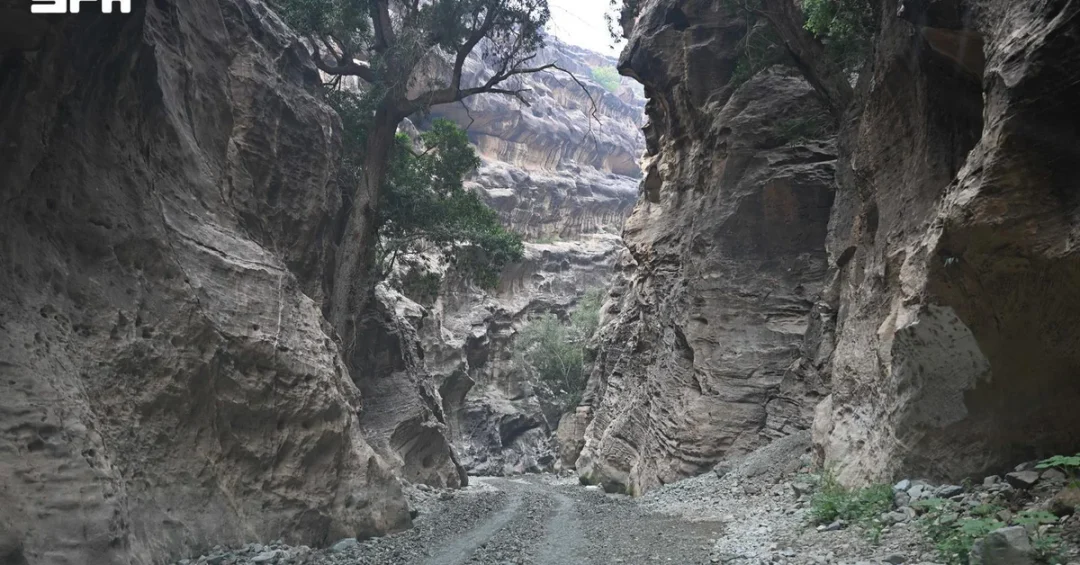
The forests of Jazan Region constitute one of Saudi Arabia’s richest natural landscapes, home to 566 native plant species that represent 24.74% of the Kingdom’s total plant diversity, according to information released through official Saudi channels. Spanning mountains, valleys, plains and coastal areas, the region’s forest cover extends across more than 267,200 hectares — equivalent to 19.9% of Jazan’s total area — and is now being positioned as a cornerstone of sustainable ecotourism, responsible investment and scientific research. The development is being driven by the National Center for Vegetation Cover Development and Combating Desertification, through its Jazan branch, which is working to unlock the recreational and economic value of these natural assets while preserving them for future generations.
The scale of the opportunity is difficult to overstate. Few regions in the Kingdom combine such varied terrain with such botanical richness, from the highland forests of the Sarawat escarpment to the coastal woodlands along the Red Sea. For international observers seeking to understand how Saudi Arabia is balancing environmental stewardship with economic diversification, Jazan offers a compelling case study. Why does this matter now? Because the Kingdom’s greening and ecotourism ambitions are moving decisively from vision to implementation, and Jazan’s forests sit at the intersection of both agendas.
Context and Background
Is Jazan’s natural wealth truly understood beyond the Kingdom’s borders? The region has long been recognized within Saudi Arabia for its distinctive environment, but its forests are only now being systematically developed as a visitor destination and an investment proposition. The terrain covers an extraordinary range: rugged highlands and rocky trails, deep valleys carved into ancient rock formations, fertile plains and coastal forests that meet the Red Sea. This diversity supports an ecosystem of remarkable concentration, and the numbers tell the story clearly. Studies have identified 377 herb species, 86 shrub species, 49 tree species and 54 subshrub species among the region’s flora, underscoring the scientific value of the landscape alongside its recreational appeal.
The institutional framework behind this push reflects the Kingdom’s broader environmental strategy. The National Center for Vegetation Cover Development and Combating Desertification, a government agency dedicated to protecting and expanding Saudi Arabia’s vegetation cover, is the entity tasked with turning these assets into practical opportunities. Working through its Jazan branch, the center is preparing 22 national parks covering a total area of 26,221.56 hectares for enhanced visitor readiness. This is not a purely conservation exercise; it is a deliberate effort to align environmental protection with tourism development and private-sector participation, in keeping with the Kingdom’s integrated approach to land use and economic growth.
Key Details of the Development Plan
What exactly is being developed, and how soon will visitors and investors feel the impact? At the heart of the plans is the establishment of Wadi Lajab National Park in Al-Reeth Governorate, a site that stands out for its towering cliffs, dramatic geological formations and dense vegetation cover. Wadi Lajab has gained a reputation among domestic explorers for its striking scenery, and its formal designation as a national park is expected to elevate it into a flagship ecotourism destination with infrastructure, access improvements and visitor services. Alongside this, the center is offering seasonal investment opportunities at 21 sites, inviting private operators to develop hospitality, recreation and educational experiences across the region.
These efforts are anchored in a broader push toward sustainable forest management. In coordination with Jazan University and a nonprofit programs foundation, the center launched an initiative described as the first of its kind in the Kingdom, designed to develop field practices and harness academic research expertise. The initiative matters because it links scientific inquiry directly to on-the-ground management: the data gathered by researchers informs how forests are protected, how parks are designed and how tourism is carried out without degrading the resource. For international audiences accustomed to seeing conservation and development in tension, the Saudi model presented here emphasizes integration — using research to guide both protection and the responsible commercialization of nature-based experiences.
Afforestation serves as another pillar of the story, and the numbers are striking. Approximately 27.9 million trees have been planted in Jazan in cooperation with partners of the National Greening Program, comfortably exceeding the 2030 target of 17.5 million trees. This achievement reflects the scale of institutional coordination involved and reinforces the Kingdom’s commitment to the Saudi Green Initiative’s broader goal of planting billions of trees nationwide. For a region whose forests are already proportionally significant, the addition of tens of millions of new trees strengthens both ecological resilience and the long-term foundation for tourism development.
International and Regional Impact
How does a regional forest initiative connect to global conversations about climate and conservation? The development of Jazan’s forests aligns with Saudi Arabia’s growing role in international environmental diplomacy, including the Middle East Green Initiative, which the Kingdom has championed to address desertification and land degradation across the region. By demonstrating measurable progress — unprecedented tree-planting numbers, new protected areas and research-backed management — Jazan contributes to the Kingdom’s credibility as a leader in dryland conservation. For regional neighbors facing similar ecological pressures, the Jazan model of combining national parks, academic partnerships and private investment offers a replicable template.
The international implications extend to tourism. As Saudi Arabia opens up to global travelers under Vision 2030, its tourism offering is diversifying beyond iconic heritage sites and coastal resorts into nature-based experiences. Jazan’s forests and valleys position the Kingdom to compete in the growing global market for ecotourism — a segment where travelers increasingly seek authentic, low-impact encounters with distinctive landscapes. The formalization of Wadi Lajab and 21 investment sites signals that the Kingdom is building the infrastructure and regulatory frameworks necessary to host international visitors in these areas, while the research partnerships signal a commitment to quality and environmental responsibility.
Economic and Strategic Significance
What value can forests create beyond their ecological role? The answer, as officials have outlined, lies in jobs, enterprise and diversification. Seasonal investment opportunities at 21 sites open the door for private operators in hospitality, guiding, food and beverage, adventure recreation and educational programming. Each of these categories creates employment for local communities in Al-Reeth and surrounding governorates, contributes to the regional economy and broadens the skill base of the local workforce. The involvement of a nonprofit programs foundation in the research initiative also suggests a social dimension, ensuring that community organizations participate in the benefits of conservation-led development.
Strategically, the forests of Jazan represent a natural capital asset that strengthens the Kingdom’s food security, water retention and climate resilience agendas in parallel with tourism. Healthy forests protect watersheds, stabilize soil and reduce the impacts of desertification — factors of immense value in a region where water scarcity and land degradation are pressing concerns. By investing in these forests through afforestation, park development and scientific management, Saudi Arabia is simultaneously addressing environmental risk and building a durable economic asset. That dual purpose is precisely the kind of integrated thinking that defines the Kingdom’s long-term planning.
Vision 2030 Alignment
Could the forests of Jazan become a model for how Vision 2030 touches every corner of the Kingdom? The initiative reflects several Vision 2030 objectives at once: economic diversification through tourism and private-sector participation, environmental sustainability through the Saudi Green Initiative and National Greening Program, and human capital development through collaboration with Jazan University and community organizations. The formal enhancement of 22 national parks, the creation of a flagship national park at Wadi Lajab and the offering of 21 seasonal investment sites are concrete steps toward the ambition of attracting 150 million visits annually, including international travelers.
With approximately 27.9 million trees already planted in the region — surpassing the 2030 target years ahead of schedule — Jazan demonstrates how targeted, well-coordinated effort can produce results that outpace stated goals. As the Kingdom continues to open its landscapes to the world, Jazan’s forests will stand as proof that conservation and economic opportunity can advance together. The road ahead involves implementation: bringing the national parks to readiness, attracting responsible investors, and ensuring that the research partnerships translate into enduring management practices. Each of these steps reinforces the Kingdom’s broader journey toward a diversified, sustainable and globally connected future, and each underscores why the forests of Jazan are now a story of national — and international — significance.
20 Questions
Q1. What proportion of Saudi Arabia’s plant diversity is found in Jazan Region?
A1. Jazan hosts 566 native plant species, representing 24.74% of the Kingdom’s total plant diversity, according to official Saudi information.
Q2. How much of Jazan Region is covered by forests?
A2. Forests cover more than 267,200 hectares, accounting for 19.9% of the region’s total area.
Q3. Which Saudi agency is leading the development of Jazan’s forests?
A3. The National Center for Vegetation Cover Development and Combating Desertification, through its Jazan branch, leads the efforts.
Q4. How many national parks are being prepared in Jazan?
A4. The center is enhancing the readiness of 22 national parks covering a total area of 26,221.56 hectares.
Q5. Where is Wadi Lajab located?
A5. Wadi Lajab is situated in Al-Reeth Governorate and is known for its towering cliffs, geological formations and vegetation cover.
Q6. What is planned for Wadi Lajab?
A6. Plans include establishing Wadi Lajab National Park as a flagship ecotourism destination with infrastructure and visitor services.
Q7. How many investment sites are being offered?
A7. Seasonal investment opportunities are being offered at 21 sites across the region.
Q8. Which institutions partnered on the sustainable forest management initiative?
A8. The center coordinated with Jazan University and a nonprofit programs foundation.
Q9. How many herb species have been identified in Jazan?
A9. Studies identified 377 herb species among the region’s diverse flora.
Q10. How many tree species are recorded in the region?
A10. A total of 49 tree species have been identified, alongside 86 shrub and 54 subshrub species.
Q11. How many trees have been planted in Jazan?
A11. Approximately 27.9 million trees have been planted in cooperation with partners of the National Greening Program.
Q12. What was the 2030 tree-planting target for Jazan?
A12. The target was 17.5 million trees, which the region has already exceeded.
Q13. What makes the sustainable forest management initiative notable?
A13. It is described as the first of its kind in the Kingdom, designed to develop field practices and benefit from research expertise.
Q14. What terrain types exist in Jazan’s forests?
A14. The region’s forests span mountains, valleys, plains and coastal areas, offering varied visitor experiences.
Q15. What kinds of experiences do the forests offer visitors?
A15. Visitors can combine exploration, recreation and learning, from highlands and rocky trails to coastal forests.
Q16. How does the initiative connect to Vision 2030?
A16. It advances economic diversification, environmental sustainability, tourism growth and human capital development, all core Vision 2030 objectives.
Q17. What is the National Greening Program?
A17. It is a Saudi program that coordinates tree-planting efforts across the Kingdom in partnership with various entities.
Q18. How does forest development support local communities?
A18. Seasonal investment sites create jobs and enterprise opportunities in hospitality, guiding, recreation and related services for local residents.
Q19. Why is scientific research important to this project?
A19. Research informs forest protection, park design and responsible tourism, linking academic expertise directly to on-the-ground management.
Q20. What does the Jazan model demonstrate for the Kingdom?
A20. It shows that conservation and economic opportunity can advance together, supporting Saudi Arabia’s sustainable and globally connected future.
Reader Feedback
We value your thoughts. Please share your feedback on this article.
Your feedback helps us improve our coverage.
Related articles
 Sunset Outings Draw Visitors to Jeddah’s Corniche and Parks
 Al-Wasm Rains Turn Tihama Aseer’s Plains and Mountains Green
 Al-Khobar Expands Parks, Walking Trails to Enhance Quality of Life
 Al-Nufayed Heritage Village: Najdi Architecture, Rural Tourism
 Eastern Region Governor Launches Second Season of Global City Dammam
 Al-Mithnab: Heritage and Oases Boost Qassim Tourism